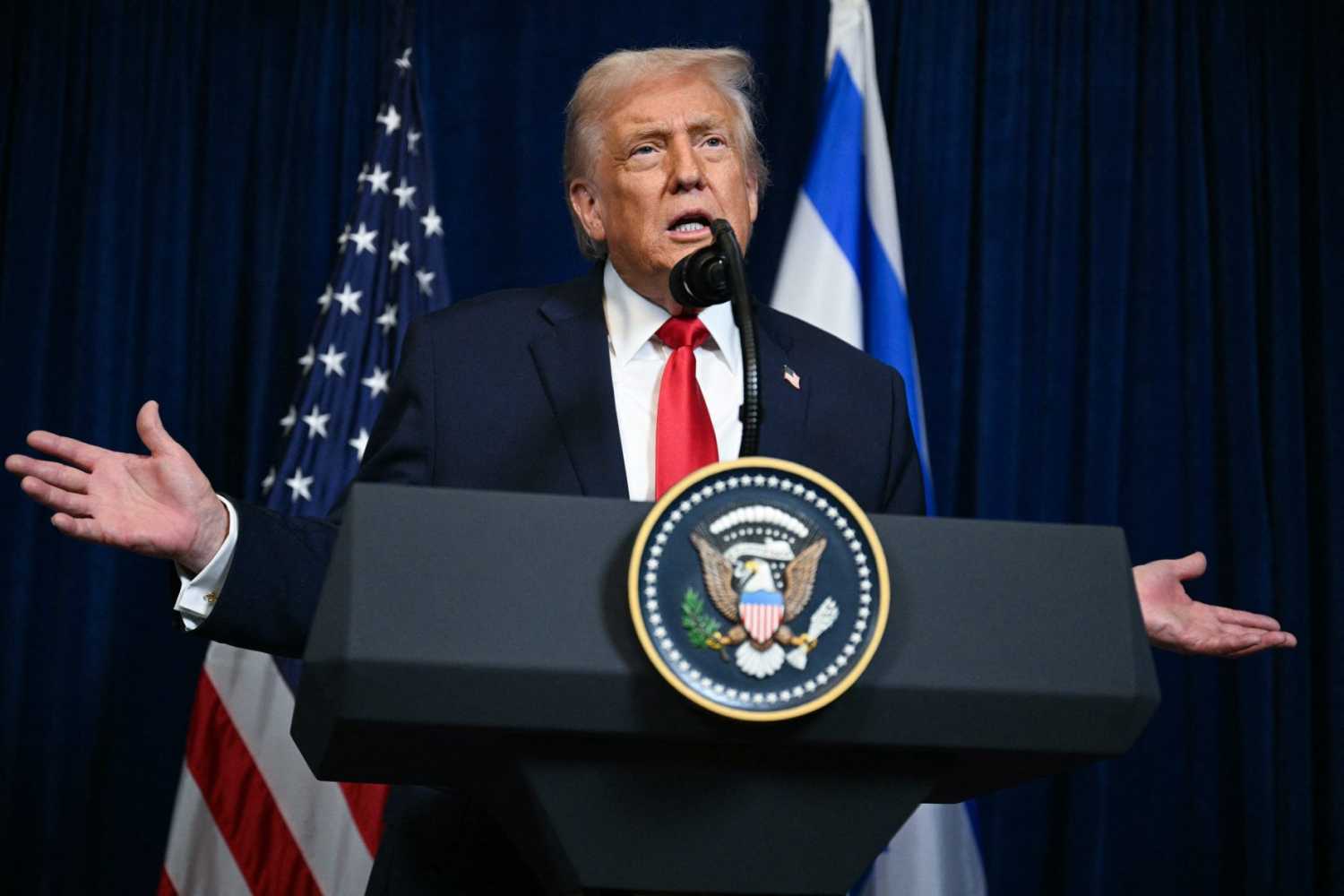
Trump Uses UN Stage to Project American Power, Warns Rivals in High-Stakes UN Address,New York: U.S. President Donald Trump delivered one of the most closely watched speeches at the 2026 United Nations General Assembly on Tuesday, using the global forum to defend his administration’s policies while sending strong warnings to America’s adversaries.
Speaking before leaders from around the world, Trump presented his administration as one that has restored American strength, expanded military power, and pursued peace through deterrence. His address touched on conflicts in the Middle East, artificial intelligence, border security, drug trafficking, Cuba, and the future role of the United States in global affairs.
Although Trump has frequently criticized the United Nations over the years, he took advantage of the organization’s largest annual gathering to promote what he described as a new era of American leadership.
“Reasserting American Power”
A central theme of Trump’s speech was that the United States has regained its position as the world’s dominant power.
He argued that his administration has strengthened the military, protected U.S. interests abroad, and made it clear that attacks against America or its allies would face a decisive response.
“The United States will no longer permit threats to America to gain a foothold anywhere in the Western Hemisphere,” Trump declared, describing the country’s armed forces as possessing “unmatched military might.”
The remarks drew attention from diplomats gathered in New York, particularly as geopolitical tensions remain elevated across several regions.
Strong Message to Iran
Trump also defended his administration’s recent actions against Iran, portraying them as necessary to protect regional stability and American interests.
While emphasizing that he prefers peace over prolonged conflict, he warned that Tehran would face devastating consequences if it threatened the United States or its allies again.
His comments reinforced Washington’s policy of maintaining maximum military pressure while leaving the door open for diplomacy under strict conditions.
Tough Stance on Drug Smuggling
The president pledged that U.S. forces would continue carrying out lethal operations against small boats suspected of transporting illegal drugs.
Trump argued that transnational criminal organizations pose a direct threat to American communities and said his administration would continue using military resources alongside law enforcement agencies to combat narcotics trafficking.
The statement reflects a broader expansion of the military’s role in securing U.S. borders and disrupting international criminal networks.
Cuba Again in the Spotlight
Trump also renewed criticism of Cuba’s communist government, suggesting that political change on the island remains possible.
Without outlining specific new measures, he signaled continued support for efforts aimed at increasing pressure on Havana, keeping Cuba high on Washington’s foreign policy agenda.
Artificial Intelligence and National Security
Artificial intelligence was another major topic during Trump’s address.
He argued that AI will shape the future of economic competitiveness and national security, stressing that the United States intends to remain the global leader in advanced technologies.
His administration has recently proposed expanding federal support for AI development while emphasizing that innovation should not be slowed by excessive regulation.
Criticism of the United Nations
Despite addressing the General Assembly, Trump repeated long-standing criticism of the United Nations itself.
He accused parts of the organization of promoting what he described as a “far-left agenda” and argued that international institutions should focus more on national sovereignty, security, and economic development rather than ideological debates.
The criticism was consistent with Trump’s previous skepticism toward multilateral organizations, although he acknowledged the importance of speaking directly to world leaders gathered in New York.
Peace Through Strength
Throughout the speech, Trump sought to portray himself as both a defender of peace and a leader willing to use military force when necessary.
He argued that a strong military discourages conflict rather than encourages it, saying his administration’s foreign policy is designed to prevent wars through overwhelming deterrence.
Supporters view this approach as restoring American credibility, while critics argue that such rhetoric risks escalating tensions with rival states.
Global Reactions Expected
Trump’s remarks are expected to generate mixed reactions among U.S. allies and competitors alike.
Some governments are likely to welcome his emphasis on security and military strength, while others may criticize the confrontational tone toward Iran, Cuba, and other geopolitical rivals.
With multiple international crises continuing to dominate global headlines, the speech underscored that the United States intends to remain at the center of major diplomatic and security debates.
As this year’s United Nations General Assembly continues, world leaders will be watching closely to see whether Trump’s forceful rhetoric translates into new diplomatic initiatives—or further geopolitical tensions in the months ahe iiad.