:max_bytes(150000):strip_icc()/GettyImages-2236488788-49d654e40da747c49f1fb3743893c878.jpg "US Economy Slows to 1.5% Growth in Second Quarter Despite Strong Consumer Spending")
US Economy Slows to 1.5% Growth in Second Quarter Despite Strong Consumer Spending- The U.S. economy lost momentum during the second quarter of 2026, expanding at an annualized rate of 1.5%, according to the latest figures released by the Commerce Department. The slowdown came as a surprise to economists, who had expected growth to remain close to the 2% mark after the economy posted a 2.1% expansion in the first quarter.
While the weaker headline figure points to moderating economic activity, the underlying data paints a more mixed picture. Strong household spending continued to support the economy, helping offset declines in government spending, exports, and private investment.
Consumer spending, which represents more than two-thirds of total U.S. economic output, accelerated sharply during the April-to-June period. It grew at an annualized pace of 3.2%, a significant improvement from the modest 0.5% increase recorded in the first quarter. Americans continued to spend despite persistent inflation and higher fuel prices, highlighting the resilience of household demand.
Purchases of automobiles, particularly light-duty trucks, remained strong during the quarter. Spending also increased on furniture, healthcare products, and prescription medications, suggesting consumers continued to prioritize both essential and discretionary purchases even as living costs stayed elevated.
Inflation remains one of the biggest challenges facing the U.S. economy. Consumer prices increased by 3.5% over the 12 months ending in June, remaining well above the Federal Reserve’s long-term target of 2%. Rising energy prices have added further pressure on household budgets following renewed geopolitical tensions in the Middle East.
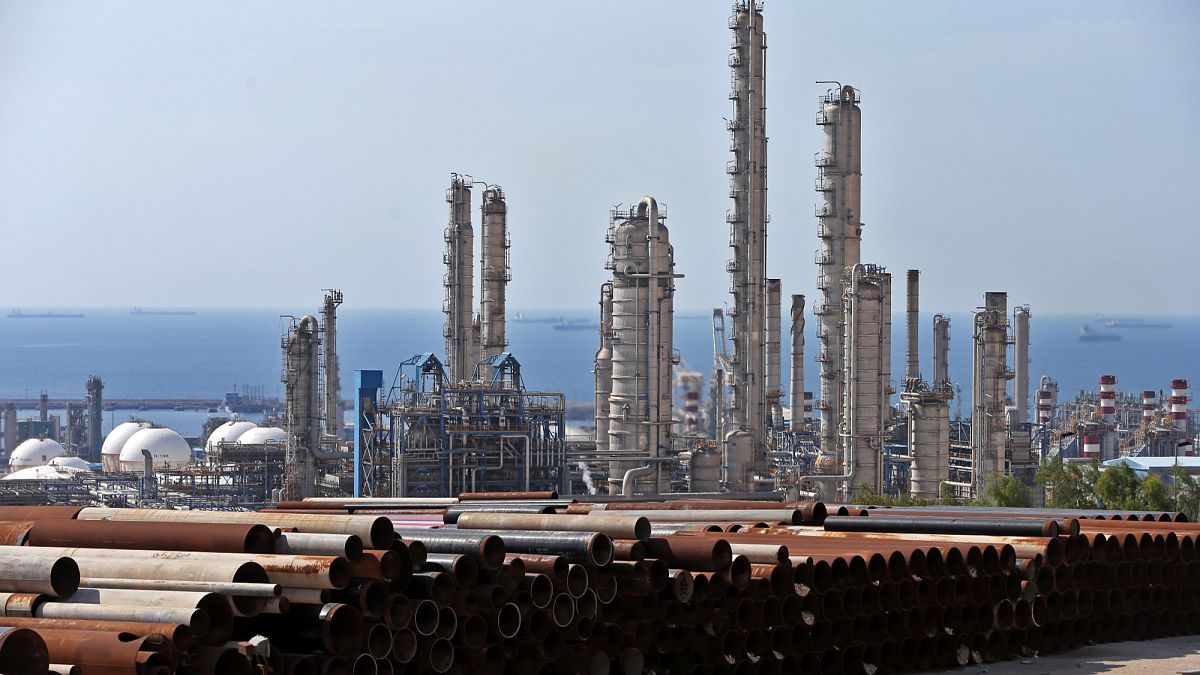
The ongoing conflict involving Iran has pushed global oil prices higher in recent months. Brent crude, the international benchmark, has climbed to around $90 per barrel, raising concerns about increased transportation and production costs. In the United States, average gasoline prices have once again moved above $4 per gallon, increasing expenses for millions of consumers and businesses.
Despite these headwinds, many economists believe the latest GDP figure understates the overall health of the economy.
Michael Pearce, Chief U.S. Economist at Oxford Economics, said the slowdown reflects temporary weakness rather than a broad deterioration in economic conditions. He expects economic growth to recover above 2% later this year as business investment improves.
According to Pearce, investment outside the rapidly expanding artificial intelligence sector has begun showing signs of recovery. Although AI-related spending continues to dominate corporate investment plans, its direct contribution to overall economic growth remains relatively modest because many of the advanced semiconductors required for AI development are imported rather than produced domestically.
The technology sector continues to attract enormous capital, with companies investing heavily in data centers, cloud infrastructure, and AI computing capabilities. However, economists say broader gains across manufacturing, services, and infrastructure will be necessary to sustain stronger long-term economic expansion.
The Federal Reserve also remains cautious as it balances slowing economic growth against stubborn inflation. At its latest policy meeting on Wednesday, the central bank kept interest rates unchanged for the fifth consecutive meeting.
Federal Reserve Chairman Kevin Warsh acknowledged that inflation remains difficult to control, noting that there is no “magic wand” capable of bringing prices back to the central bank’s target quickly. Policymakers continue to monitor economic conditions closely before deciding whether future rate adjustments will be necessary.
In its post-meeting statement, the Federal Reserve said the U.S. economy continues to expand at a “solid pace” despite uncertainty created by geopolitical tensions and higher energy costs. Officials indicated that consumer demand has remained surprisingly resilient, helping prevent a sharper slowdown in overall economic activity.
Analysts at Capital Economics shared a similarly optimistic assessment. North America economist Bradley Saunders argued that the headline GDP figure does not fully capture the economy’s underlying strength. He noted that American households have largely absorbed the impact of higher fuel prices without significantly cutting back on spending.
Looking ahead, economists will be watching several factors that could shape the remainder of 2026, including inflation trends, oil prices, labor market performance, and future Federal Reserve policy decisions. Continued strength in consumer spending, combined with a recovery in business investment, could help the U.S. economy regain momentum during the second half of the year.
Although the latest growth figures fell short of expectations, many analysts believe the broader economy remains fundamentally resilient, supported by healthy consumer demand and ongoing investment in emerging technologies, even as inflation and global geopolitical risks continue to present significant challenges. Spider-Man: Brand New Day Breaks Records With China’s Biggest Superhero Opening in 7 Years | Maya