US-Iran Ceasefire Tested After Fresh Military Clashes in the Strait of Hormuz, A fragile ceasefire between the United States and Iran remains officially in place after both sides exchanged fire late Thursday night, sharply raising fears that the conflict could spiral back into a broader regional war. Although Donald Trump insisted the ceasefire was still holding, the latest confrontation exposed how quickly tensions can reignite between Washington and Tehran.
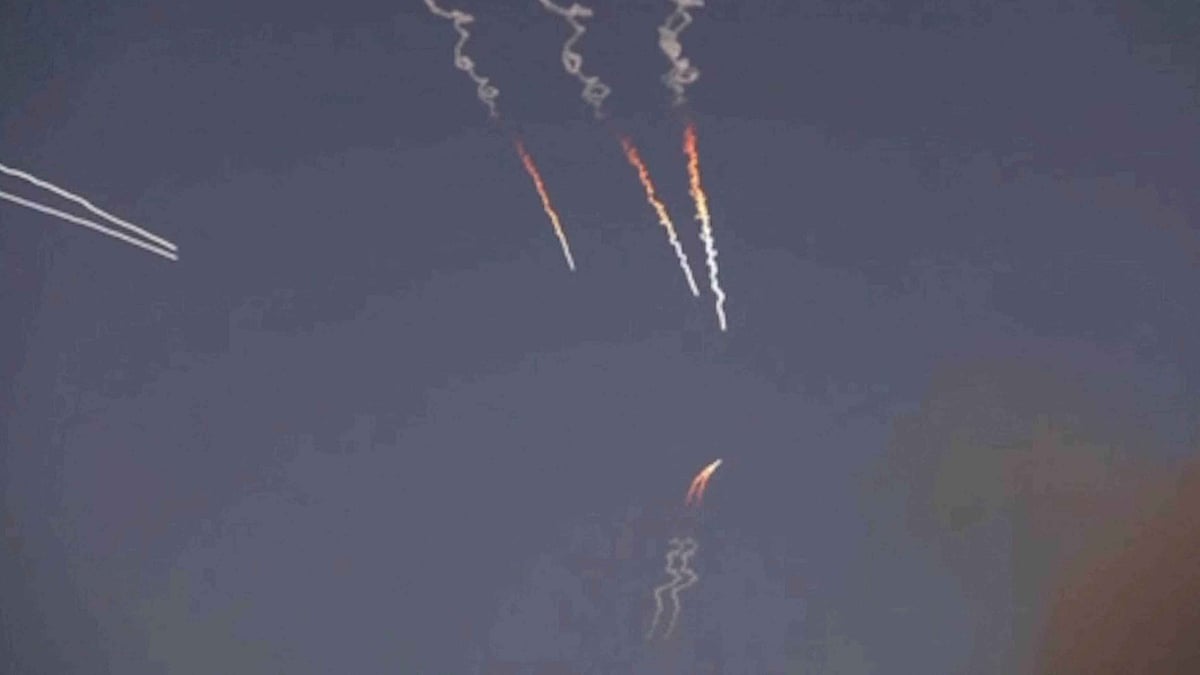
The clashes reportedly began near the strategically vital Strait of Hormuz, one of the world’s most important oil shipping routes. Iranian state media first reported “explosions” in the area, describing the incident as an “exchange of fire” with enemy forces. Shortly afterwards, local media in Tehran also reported hearing explosions, intensifying concerns across the region.
Iran’s top military command accused the United States of violating the ceasefire by launching aerial strikes on several Iranian coastal locations, including Bandar Khamir, Sirik and Qeshm Island. Iranian officials also alleged that US forces targeted an Iranian oil tanker and another vessel approaching the Strait of Hormuz.
According to Tehran, Iranian forces responded immediately by attacking US military vessels operating in the Gulf. Iran claimed the retaliation caused “significant damage” to American naval assets and described the US actions as a deliberate breach of the truce.
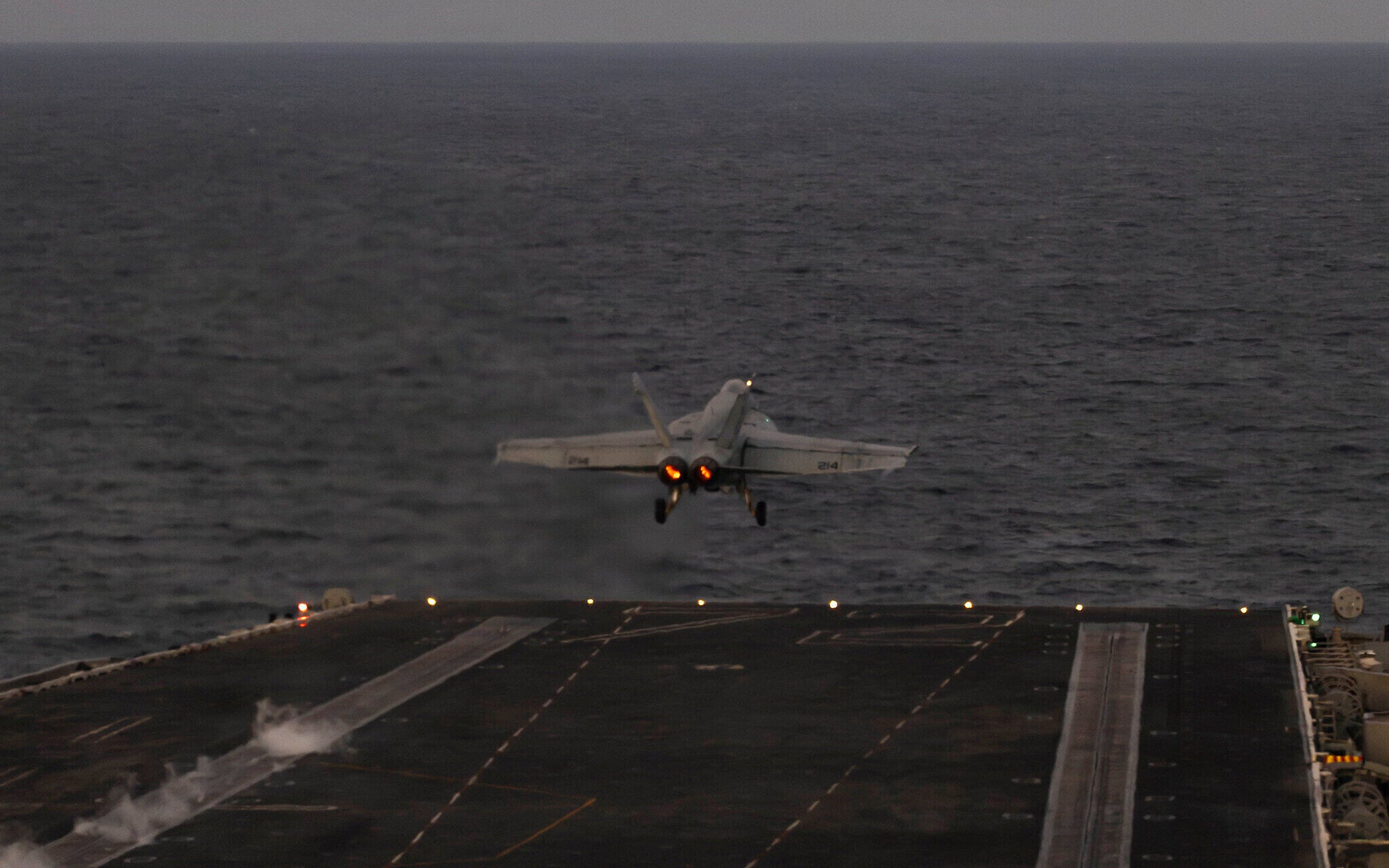
The United States presented a completely different version of events. US Central Command said Iranian forces initiated the confrontation by launching missiles, drones and small attack boats toward American Navy guided-missile destroyers transiting through the strait. Washington described the Iranian attacks as “unprovoked” and said US forces acted purely in self-defence.
In a statement, Centcom said American forces successfully intercepted incoming threats before carrying out retaliatory strikes on Iranian military infrastructure. The targets reportedly included missile launch sites, drone facilities, intelligence systems and command-and-control centres believed to be responsible for coordinating attacks on US naval forces.
Despite the military response, the Pentagon insisted it was not seeking wider escalation. Centcom stated that US forces remain “positioned and ready” to defend American personnel and allies in the region if further attacks occur.
Trump responded aggressively to the incident in a series of posts on Truth Social. The US president claimed American forces had destroyed several Iranian attack boats, writing that they “dropped ever so beautifully down to the ocean.” He also warned Tehran against delaying negotiations over a broader peace agreement.
Trump said that if Iran refused to finalise a deal quickly, the US would respond with even stronger military action in the future. His comments reinforced concerns that the ceasefire remains highly unstable and dependent on ongoing diplomatic negotiations.
An Israeli source told the BBC there was “no Israeli involvement” in the latest exchange of fire, although tensions involving Israel continue to influence the broader regional situation. Trump had previously claimed that the conflict in Iran would end “quickly,” but the latest violence suggests the situation remains volatile.
Diplomatic efforts are continuing behind the scenes. Reports from US outlet Axios indicate the White House believes it may be close to securing a 14-point memorandum of understanding with Iran. The proposed framework could establish the basis for renewed negotiations over Iran’s nuclear programme and broader regional security issues.
Earlier this week, Iran’s foreign ministry confirmed it was reviewing the latest US proposal and would communicate its response through Pakistani mediators. Pakistan has reportedly been working to help maintain dialogue between both sides and prevent the ceasefire from collapsing completely.
Pakistan’s foreign minister said his government was trying to transform the temporary ceasefire into a “permanent end” to the conflict. However, divisions inside Iran remain significant.
Ebrahim Rezaei, spokesperson for the Iranian parliament’s national security and foreign policy commission, publicly criticised the proposed US framework, dismissing it as a “wish list.” Writing on X, he warned that Iran still had “its finger on the trigger” and threatened a “harsh and regret-inducing response” if Washington failed to accept Iranian conditions.
The dispute over Iran’s nuclear programme continues to be one of the biggest obstacles to any lasting agreement. Trump has repeatedly claimed Iran has agreed never to pursue nuclear weapons, although Tehran has not publicly confirmed such commitments.
The US president also recently warned that if negotiations fail, bombing campaigns against Iran could resume at “a much higher level and intensity” than before. Earlier statements from Marco Rubio suggested the initial US-Israeli military operation had already achieved its objectives, but the latest violence indicates the crisis is far from resolved.
With military tensions rising again in the Gulf and diplomacy still uncertain, the coming days could prove critical in determining whether the ceasefire survives or the region slips back toward a larger and more dangerous conflict. Control Your Entire Home in One Sentence? Gemini 3.1 Says Yes | Maya