Vance Confirms Major Nuclear Inspection Deal Ahead of Friday Signing, A potentially historic breakthrough may be taking shape in one of the world’s most closely watched geopolitical conflicts. U.S. Vice President JD Vance has announced that international nuclear inspectors are expected to return to Iran under the framework of a new agreement designed to bring an end to the recent war and reduce tensions across the Middle East.
The announcement comes at a critical moment, as diplomats from multiple countries work behind the scenes to finalize a memorandum of understanding that could mark the beginning of a new chapter in relations between Washington and Tehran. While many details of the agreement remain confidential, Vance’s remarks have provided the clearest indication yet that both sides are moving toward a compromise centered on nuclear transparency and regional stability.
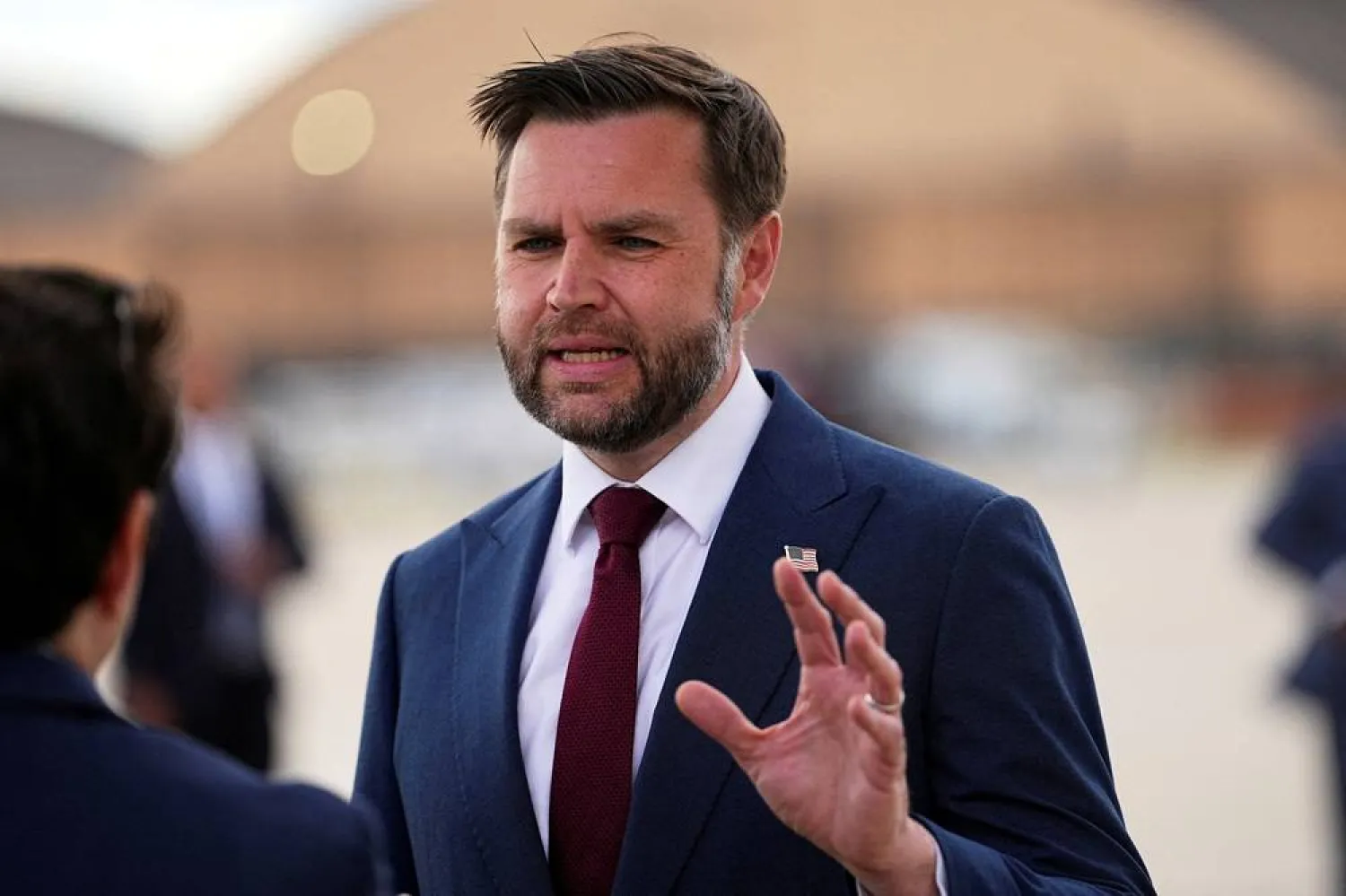
Speaking during a televised interview, Vance expressed confidence that nuclear inspections would resume as part of the broader peace framework. According to him, the return of inspectors is not merely a possibility but an essential component of the agreement currently being prepared for formal signing later this week.
The development has drawn significant international attention because nuclear inspections have long been one of the most contentious issues between Iran and Western nations. For years, concerns over Iran’s nuclear activities have fueled diplomatic disputes, economic sanctions, and periodic military tensions. Critics in Washington and several allied capitals have repeatedly argued that strict monitoring is necessary to ensure Iran’s nuclear program remains peaceful.
Under the proposed arrangement, international inspectors would reportedly regain access to key facilities and work alongside relevant authorities to verify compliance with agreed-upon standards. While officials have not yet released the complete inspection framework, analysts believe the move could help rebuild confidence among global powers and reduce fears of further escalation.
The timing of the announcement is especially significant. The Middle East has experienced months of uncertainty, with military confrontations, economic disruptions, and rising concerns about regional security. Markets around the world have closely followed developments, particularly because instability in the region can affect global energy supplies and international trade routes.
For the United States, securing a verifiable inspection mechanism has been one of the primary objectives of negotiations. American officials have consistently maintained that any long-term settlement must include safeguards preventing the development of nuclear weapons. Vance emphasized that transparency and verification are central pillars of the agreement, suggesting that future economic and diplomatic benefits for Iran may depend on continued compliance.
The vice president also revealed that the full text of the memorandum of understanding will remain confidential until a planned signing ceremony on Friday. Negotiators are reportedly still finalizing implementation details, legal language, and timelines for enforcement. This approach is common in high-level diplomatic negotiations, where parties often seek to resolve outstanding technical issues before publicly releasing documents.
Although the memorandum is expected to be signed soon, experts caution that implementation may prove more challenging than negotiation. History has shown that nuclear agreements require sustained cooperation, detailed verification procedures, and long-term political commitment from all sides. Even minor disagreements regarding inspections, reporting requirements, or compliance standards can become significant obstacles.
Nevertheless, the current atmosphere appears more optimistic than in previous rounds of diplomacy. Officials involved in discussions have signaled that there is broad agreement on the core principles of the deal. The return of inspectors is widely viewed as a practical step that could create a foundation for wider cooperation in the future.
Another important aspect of the agreement involves economic considerations. Iran has faced years of sanctions and financial restrictions that have affected investment, trade, and economic growth. Many observers believe Tehran hopes that successful implementation of the inspection framework will eventually lead to greater economic opportunities and improved access to international markets.
At the same time, Western governments are likely to proceed cautiously. Any easing of restrictions will probably be linked to measurable progress and verified compliance. This creates a system in which both sides have incentives to uphold their commitments, reducing the risk of an immediate breakdown.
The potential impact extends far beyond the United States and Iran. Regional powers, European governments, and international organizations are all watching closely. A successful agreement could lower tensions across the Middle East, reduce the likelihood of future military confrontations, and encourage broader diplomatic engagement on other unresolved issues.
Energy markets are also paying attention. Stability in the region often influences oil prices and shipping routes. Any agreement that reduces the risk of conflict could provide reassurance to investors and businesses concerned about disruptions to global commerce.
For now, however, many questions remain unanswered. The exact scope of inspections, the timeline for implementation, and the mechanisms for resolving disputes have not yet been publicly disclosed. Those details are expected to emerge after Friday’s signing ceremony, when negotiators release the final text and explain how the agreement will operate in practice.
Despite the uncertainty, Vance’s comments have fueled expectations that a major diplomatic milestone may be approaching. If inspectors do return to Iran and the agreement survives its early stages, it could become one of the most significant nuclear diplomacy achievements in recent years.
The coming days will therefore be crucial. Friday’s signing ceremony is expected to provide the first comprehensive look at the framework that negotiators have spent months constructing. Whether it ultimately succeeds or encounters new challenges, the agreement represents a serious effort to replace confrontation with oversight, transparency, and diplomacy.
As the world awaits the official release of the memorandum, attention remains focused on a simple but powerful question: can renewed nuclear inspections create enough trust to secure a lasting peace? The answer may begin to emerge once the ink is dry on Friday’s historic agreement.