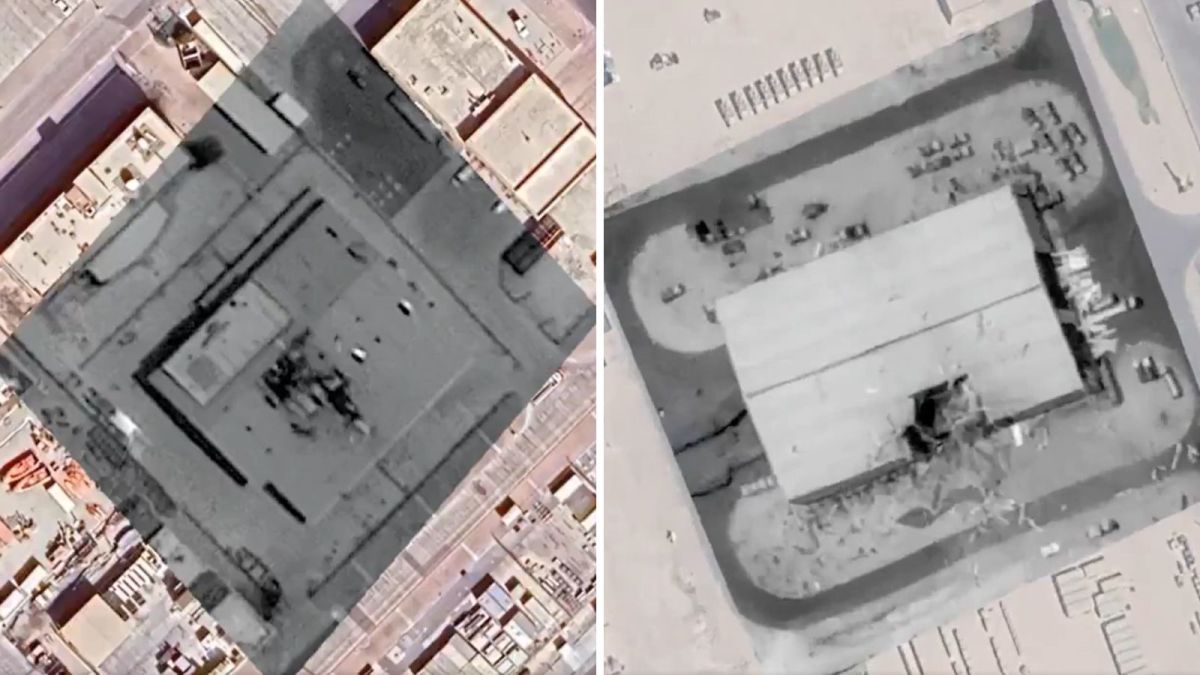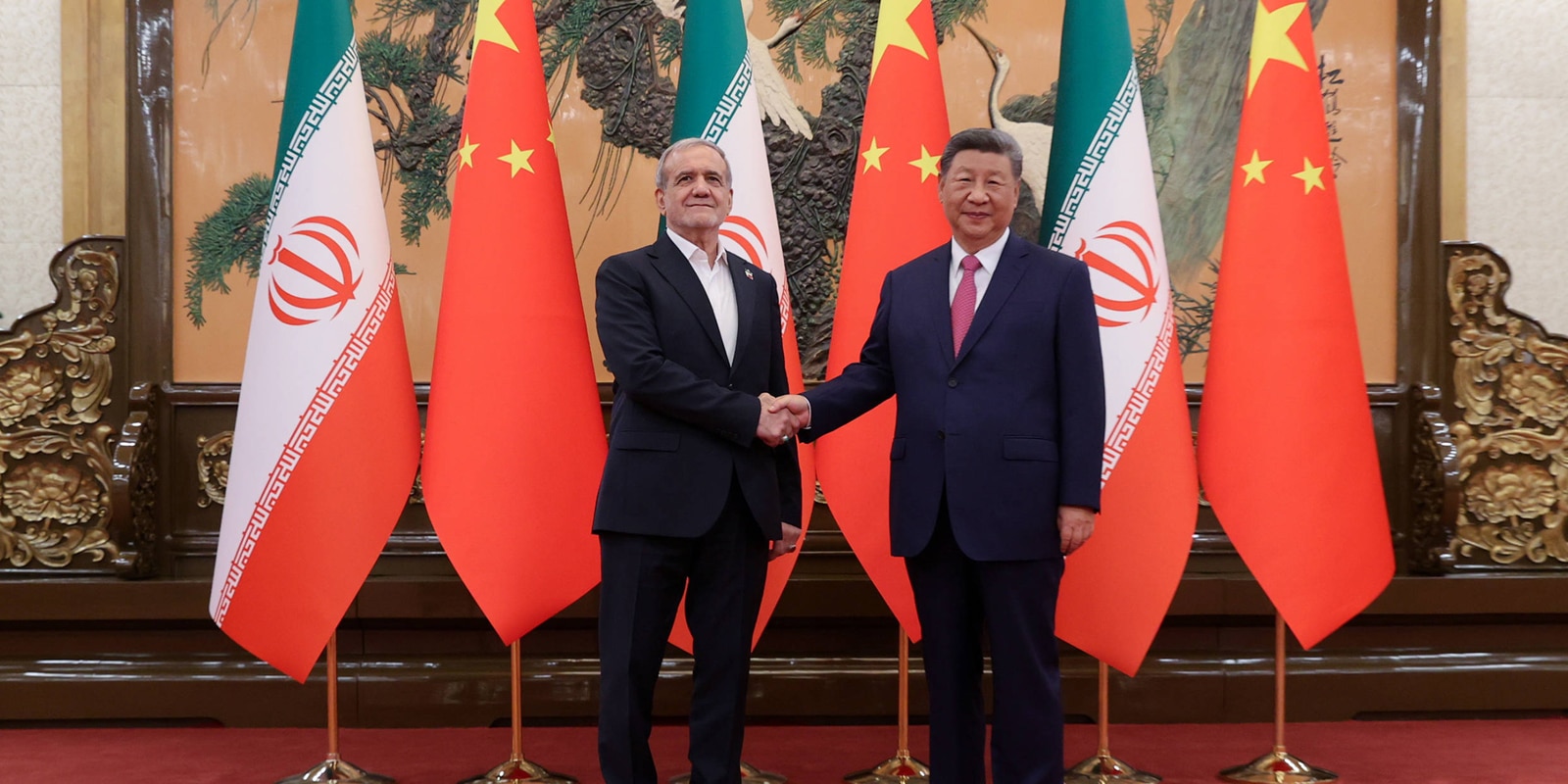
Is Russia or China Secretly Arming Iran? Examining the Evidence and Historical Ties: As conflict in the Middle East intensifies, speculation has grown over whether Russia or China are secretly supplying weapons to Iran behind the scenes. The question has gained renewed attention amid rising military tensions involving the United States, Iran-backed groups, and Israel, with analysts examining whether Tehran’s major strategic partners are quietly strengthening its military capabilities.
Despite widespread speculation, no publicly available evidence has confirmed that Russia or China are currently conducting covert, large-scale weapons transfers to Iran. Intelligence officials and defense analysts continue to monitor military cooperation among the three countries, but no government has released verifiable proof of secret arms shipments tied to the latest escalation.
The debate stems partly from the increasingly close strategic relationship that has developed between Moscow and Tehran over the past decade. Russia and Iran have expanded cooperation across defense, energy, and regional security, particularly following Western sanctions imposed on both countries. Their military partnership became more visible after Russia’s invasion of Ukraine, when Western governments accused Iran of supplying drones and related technology to Moscow. Iran has denied violating international restrictions, while Russia has maintained that its defense ties with Tehran comply with international law.
That cooperation has led some observers to speculate that military assistance could also flow in the opposite direction. Reports have suggested Russia may have shared intelligence, air defense expertise, or satellite support with Iran, although these claims remain difficult to independently verify. Analysts note that intelligence sharing differs significantly from direct weapons transfers, and the two should not be treated as interchangeable.
China’s relationship with Iran has followed a different path. Beijing has become one of Tehran’s most important economic partners, particularly after signing a long-term strategic cooperation agreement in 2021 covering trade, infrastructure, energy, and technology. China remains a major purchaser of Iranian oil despite sanctions imposed by the United States, helping provide Tehran with an important economic lifeline.
While Washington has sanctioned several Chinese companies over allegations involving dual-use technologies and components that could support Iran’s defense industry, Beijing has consistently rejected accusations that it is supplying weapons to Tehran. Chinese officials have repeatedly stated that the country supports diplomatic solutions to regional conflicts and opposes actions that could further destabilize the Middle East.
Historically, Iran has relied on both Russia and China to modernize portions of its military after decades of sanctions limited its access to Western equipment. During the 1990s and early 2000s, Russia supplied Iran with submarines, aircraft, armored vehicles, and missile defense systems, while China exported anti-ship missiles, patrol boats, and various conventional military technologies. However, international sanctions and diplomatic pressure frequently interrupted or delayed major arms deals.
One of the most significant examples came in 2010 when Russia suspended delivery of its S-300 air defense missile system after the United Nations imposed sanctions on Iran over its nuclear program. Following the 2015 nuclear agreement and subsequent changes in international restrictions, Moscow resumed the transfer, highlighting how geopolitical developments have shaped defense cooperation between the two countries.
The expiration of the United Nations conventional arms embargo on Iran in October 2020 fueled expectations that Tehran might seek advanced fighter aircraft, helicopters, tanks, and air defense systems from Russia and China. While discussions reportedly took place, only limited information has emerged regarding completed purchases, and many proposed deals have either remained confidential or unconfirmed.
Recent military exchanges have also expanded beyond traditional arms sales. Russia, China, and Iran have conducted several joint naval exercises in the Gulf of Oman and the Arabian Sea, presenting themselves as advocates of multipolar security cooperation outside Western alliances. These exercises have reinforced perceptions of growing strategic alignment, even if they do not necessarily indicate active weapons transfers.
Current concerns have intensified as the United States increases its military presence across the Middle East following attacks on American forces and renewed hostilities involving Iran-backed groups. Some analysts argue that if regional conflict were to broaden significantly, Russia or China could choose to increase logistical, intelligence, or diplomatic support for Tehran. Others caution that direct weapons shipments would carry substantial political and economic risks, potentially exposing both countries to additional international sanctions and deeper confrontation with the United States and its allies.
For now, the available public evidence does not substantiate claims that Russia or China are secretly arming Iran during the current crisis. While both countries maintain important strategic relationships with Tehran and have supplied military equipment in the past, allegations of covert weapons deliveries remain unverified. As governments continue to monitor developments, any confirmed change in military support would likely have significant consequences for regional security, global energy markets, and the broader balance of power in the Middle East. Elon Musk on AI’s Future: Why He Believes Humanity Should “Enjoy the Ride” | Maya