High Blood Pressure Explained: Symptoms, Causes, and Natural Ways to Lower It
High blood pressure, also known as hypertension, is a common health condition that can develop without obvious warning signs. Many people feel completely normal even when their blood pressure remains elevated for a long period. This is why hypertension is often described as a “silent” condition.
Although high blood pressure may not cause noticeable symptoms, it can gradually place extra pressure on the heart and blood vessels. Over time, uncontrolled hypertension can increase the risk of serious health problems, including heart disease, stroke, kidney disease, heart failure, and certain vision complications.
The positive news is that blood pressure can often be improved through consistent lifestyle changes and appropriate medical care. Eating a balanced diet, reducing sodium, staying physically active, maintaining a healthy weight, getting enough sleep, managing stress, avoiding tobacco, and limiting alcohol can all play a role.
However, natural approaches should not automatically be considered a replacement for medical treatment. If you have been prescribed blood pressure medication, do not stop or change your treatment without first discussing it with a healthcare professional.
This guide explains what high blood pressure means, how to recognize it, what can contribute to it, and practical ways to support healthier blood pressure levels.
What Is High Blood Pressure?
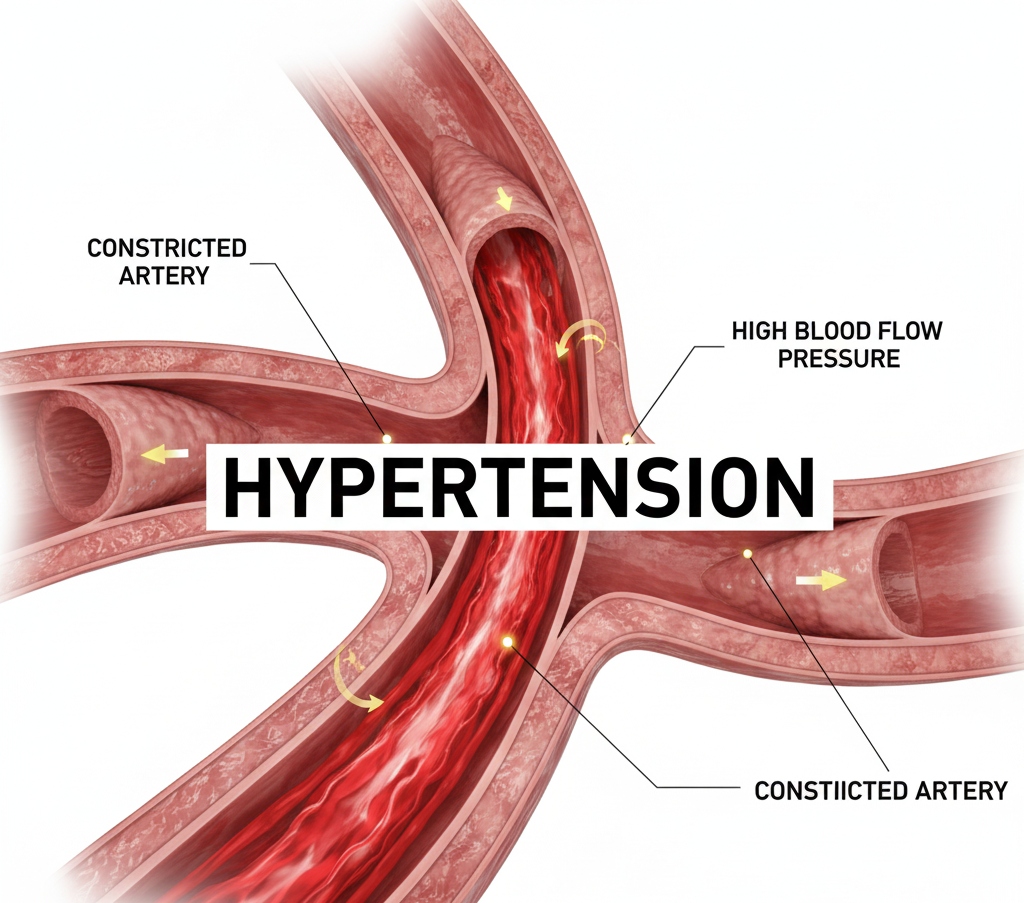
Blood pressure refers to the force of blood pushing against the walls of the arteries as the heart circulates blood throughout the body.
A blood pressure reading contains two measurements:
-
Systolic pressure: The top number, which represents the pressure in the arteries when the heart contracts.
-
Diastolic pressure: The bottom number, which represents the pressure between heartbeats.
For adults, blood pressure below 120/80 mm Hg is generally considered normal. Under commonly used U.S. guidelines, an average reading of 130/80 mm Hg or higher falls within the hypertension range.
A diagnosis should not usually be based on one unusual reading. Blood pressure can change because of exercise, stress, caffeine, illness, medications, poor sleep, or even the way the measurement is taken.
Repeated and properly measured readings provide a much clearer picture.
Why Is Hypertension Called the “Silent Killer”?
High blood pressure frequently causes no noticeable symptoms.
Someone can have elevated blood pressure for years without headaches, dizziness, or other obvious signs. Without regular measurement, there may be no way to know that blood pressure is too high.
The concern is not necessarily how a person feels today. Persistent hypertension can gradually affect the blood vessels and place additional strain on organs such as the heart, brain, kidneys, and eyes.
Over time, poorly controlled blood pressure can contribute to:
-
Heart disease
-
Stroke
-
Heart failure
-
Kidney disease
-
Damage to blood vessels
-
Vision problems
This is why checking your blood pressure is important even when you feel healthy.
What Are the Symptoms of High Blood Pressure?
Most people with hypertension do not experience specific symptoms.
Headaches, tiredness, dizziness, facial flushing, and similar complaints are sometimes associated with high blood pressure, but these symptoms cannot reliably tell you whether your blood pressure is elevated.
The only dependable way to know your blood pressure is to measure it.
Extremely high blood pressure can sometimes occur alongside symptoms that require urgent medical attention. These may include:
-
Chest pain
-
Difficulty breathing
-
Sudden weakness or numbness
-
Changes in vision
-
Trouble speaking
-
Severe or unusual neurological symptoms
A reading above 180/120 mm Hg is considered severely elevated. If a repeat measurement remains this high, prompt medical advice is appropriate. When severe elevation occurs together with symptoms such as chest pain, breathing difficulty, weakness, vision changes, or difficulty speaking, seek emergency medical care.
Understanding Blood Pressure Numbers
Knowing what your readings mean can make home monitoring more useful.
A commonly used adult classification is:
| Blood Pressure Reading | General Category |
|---|---|
| Below 120/80 mm Hg | Normal |
| 120–129 systolic and below 80 diastolic | Elevated |
| 130–139 systolic or 80–89 diastolic | Stage 1 hypertension |
| 140 or higher systolic or 90 or higher diastolic | Stage 2 hypertension |
| Above 180 and/or 120 mm Hg | Severe elevation requiring prompt attention |
These categories are useful for understanding readings, but an individual diagnosis requires proper measurement and consideration of the person’s overall health and cardiovascular risk.
What Causes High Blood Pressure?
Hypertension does not always have one identifiable cause.
For many people, several factors contribute over time. These can include genetics, age, body weight, diet, physical activity, sleep, stress, medications, and other medical conditions.
Factors associated with a higher risk of hypertension include:
-
A family history of high blood pressure
-
Increasing age
-
Excess body weight
-
Physical inactivity
-
High sodium consumption
-
An unhealthy overall diet
-
Heavy alcohol consumption
-
Tobacco use
-
Long-term stress
-
Poor or insufficient sleep
-
Diabetes
-
Kidney disease
-
Certain medications
-
Certain underlying medical conditions
When high blood pressure develops because of another health condition or medication, it may be referred to as secondary hypertension.
If blood pressure remains difficult to control despite appropriate lifestyle changes and treatment, a healthcare professional may look for an underlying cause.
How Does Salt Affect Blood Pressure?
Sodium is necessary for normal body function, but consuming too much can raise blood pressure in many people.
One reason is that excess sodium can encourage the body to retain additional fluid. This can increase the amount of fluid circulating through the blood vessels and contribute to higher blood pressure.
Reducing sodium does not simply mean using less table salt at mealtimes. A significant amount of sodium can come from packaged and processed foods.
Common sources include:
-
Instant noodles
-
Processed meats
-
Packaged snacks
-
Pickles
-
Salty sauces
-
Packaged soups
-
Fast food
-
Ready-made meals
-
Crackers and biscuits
-
Some breads and baked foods
Checking food labels and choosing more fresh, minimally processed foods can make it easier to reduce sodium intake.
Natural Ways to Support Healthy Blood Pressure
There is no single food, drink, herb, or home remedy that reliably cures hypertension. However, several everyday habits can help support healthier blood pressure.
1. Choose a Heart-Healthy Diet
One of the best-studied dietary approaches for blood pressure is the DASH diet, or Dietary Approaches to Stop Hypertension.
DASH focuses on an overall pattern of nutritious eating rather than a temporary restrictive diet. It emphasizes foods such as vegetables, fruits, whole grains, beans, nuts, seeds, and low-fat dairy while limiting excess sodium, added sugars, and certain unhealthy fats.
A simple meal can include:
-
Plenty of vegetables
-
A portion of fresh fruit
-
Whole grains
-
Beans, lentils, fish, or another nutritious protein
-
Low-fat dairy when suitable
-
Small amounts of healthy unsaturated fats
You do not need to make every meal perfect. Consistency over time matters more than occasional deviations.
2. Reduce Sodium Gradually
Lowering sodium intake can be particularly helpful for people who are sensitive to its effects on blood pressure.
A commonly recommended upper limit for adults is 2,300 mg of sodium per day, with a lower target of around 1,500 mg per day often suggested for many people with high blood pressure when appropriate.
Instead of relying heavily on salt for flavor, experiment with:
-
Garlic
-
Ginger
-
Lemon or lime
-
Fresh herbs
-
Spices
-
Black pepper
-
Vinegar
If you have kidney problems or take medications that affect potassium, speak with a healthcare professional before deliberately increasing potassium intake or using potassium-containing salt substitutes.
3. Eat More Fruits and Vegetables | CAR T-Cell Therapy Eligibility: How Candidates Are Selected and What the Process Involves | Maya
Fruits and vegetables can be an important part of a blood-pressure-friendly diet.
They provide fiber, potassium, and other nutrients that support overall cardiovascular health.
Good choices can include:
-
Bananas
-
Oranges
-
Guava
-
Tomatoes
-
Spinach
-
Carrots
-
Broccoli
-
Beans
-
Apples
-
Berries
-
Papaya
Rather than looking for a single “superfood,” aim for variety and make plant foods a regular part of your meals.
4. Stay Physically Active
Regular physical activity can improve cardiovascular fitness and support healthier blood pressure.
For many adults, a practical goal is about 30 minutes of moderate activity on most days, although activity can be divided into shorter sessions.
Walking is an easy starting point. Other options include:
-
Cycling
-
Swimming
-
Dancing
-
Brisk walking
-
Jogging
-
Strength exercises
-
Recreational sports
If you have been inactive for a long time or have significant health concerns, ask a healthcare professional about an appropriate level of exercise before starting a demanding workout routine.
5. Work Toward a Healthy Weight
Excess body weight can place additional demands on the cardiovascular system and is associated with higher blood pressure.
For people who are overweight, even relatively modest weight loss may help improve blood pressure.
Instead of pursuing extreme diets, focus on sustainable habits such as:
-
Reducing portion sizes
-
Eating more vegetables
-
Replacing sugary drinks with healthier choices
-
Eating fewer highly processed foods
-
Exercising regularly
-
Establishing consistent eating habits
6. Avoid Smoking and Tobacco
Smoking damages blood vessels and increases cardiovascular risk. Nicotine can also temporarily increase blood pressure.
Quitting tobacco is therefore an important step toward protecting heart and blood-vessel health.
If quitting is difficult, professional support and proven smoking-cessation treatments can make the process more manageable.
7. Limit Alcohol
Drinking too much alcohol can contribute to higher blood pressure.
Reducing alcohol consumption may therefore be useful for people who drink regularly or heavily.
People who do not drink alcohol do not need to start drinking for supposed heart-health benefits.
8. Find Healthy Ways to Manage Stress
Stress can cause temporary increases in blood pressure. Ongoing stress may also make it harder to maintain healthy eating, exercise, and sleep habits.
Useful stress-management activities may include:
-
Slow breathing
-
Meditation
-
Yoga
-
Walking
-
Stretching
-
Spending time outdoors
-
Staying socially connected
-
Taking regular breaks
-
Organizing daily tasks
Stress management is best viewed as one part of a larger blood-pressure plan rather than a replacement for medical treatment.
9. Prioritize Good Sleep
Sleep plays an important role in overall cardiovascular health.
Regularly getting too little sleep or experiencing poor-quality sleep is associated with an increased risk of high blood pressure.
Try to maintain a consistent sleep and wake schedule and create a bedroom environment that supports restful sleep.
If you frequently snore loudly, wake up gasping for air, or remain unusually tired during the day, speak with a healthcare professional. Sleep disorders can affect blood pressure and may require evaluation.
Can Drinking Water Lower Blood Pressure?
Adequate hydration is important for general health, but drinking extra water is not a proven treatment for chronic hypertension.
If dehydration has contributed to an abnormal reading, restoring normal hydration may help. However, people with established hypertension should not expect drinking large amounts of water to bring persistently high blood pressure back to normal.
Maintain appropriate hydration while also addressing diet, physical activity, sodium intake, sleep, weight, medication, and other relevant factors.
Can Garlic Help Lower Blood Pressure?
Garlic has been studied for its potential cardiovascular effects, and some research suggests that certain garlic preparations may produce modest reductions in blood pressure.
However, garlic should not be treated as a replacement for prescribed hypertension medication.
Using fresh garlic in cooking can be a useful way to add flavor while reducing reliance on salt. Concentrated garlic supplements are different, however, and may interact with certain medications. Talk with a healthcare professional before using them regularly.
Can Walking Help Lower Blood Pressure?
Yes. Regular walking can support cardiovascular fitness and contribute to healthier blood pressure.
The important factor is consistency. One long walk is unlikely to permanently correct high blood pressure, but making walking part of a regular routine can provide meaningful health benefits over time.
If you currently do little physical activity, begin with a manageable amount and gradually increase your activity.
How to Measure Blood Pressure at Home
Home monitoring can provide useful information about your blood pressure between medical appointments.
For a more accurate measurement:
-
Sit quietly for several minutes before checking your pressure.
-
Keep your back supported.
-
Place both feet flat on the floor.
-
Rest your arm at approximately heart level.
-
Use a properly sized cuff.
-
Avoid talking during the measurement.
-
Follow the monitor’s instructions carefully.
-
Take measurements at consistent times when recommended.
One unexpected high reading does not necessarily mean you have chronic hypertension. Repeated measurements are generally more informative.
If your readings remain elevated, share the results with your healthcare professional.
When Does High Blood Pressure Become an Emergency?
A blood pressure reading above 180/120 mm Hg is severely elevated.
If you obtain a reading this high, sit quietly and repeat the measurement after a short period using proper technique.
If it remains severely elevated, contact a healthcare professional promptly.
If the high reading occurs with symptoms such as:
-
Chest pain
-
Shortness of breath
-
Sudden weakness or numbness
-
Vision changes
-
Difficulty speaking
-
Other severe or concerning symptoms
seek emergency medical care immediately.
Do not attempt to rapidly bring dangerously high blood pressure down using home remedies.
Do You Need Blood Pressure Medication?
Lifestyle changes are an important part of hypertension management, but they are not sufficient for everyone.
Medication may be recommended depending on blood pressure levels, cardiovascular risk, and other health conditions. Some people with readings around 130/80 mm Hg or higher may also be advised to take medication depending on factors such as existing cardiovascular disease, previous stroke, diabetes, kidney disease, or overall cardiovascular risk.
The choice of medication and dose depends on the individual.
If you already take blood pressure medicine, do not stop taking it simply because your readings improve. Improved readings may mean that your treatment and lifestyle changes are working.
Always discuss medication changes with your healthcare professional.
Can High Blood Pressure Be Reversed Naturally?
For some people, lifestyle improvements can produce substantial reductions in blood pressure. In certain cases, better blood pressure control may eventually allow medication to be reduced, but this should only happen under medical supervision.
There is no guaranteed natural cure for hypertension.
Some people need long-term medication even when they eat well, exercise regularly, and maintain a healthy lifestyle.
Instead of looking for a single natural remedy, the more realistic goal is long-term blood pressure control.
Foods to Include More Often
A heart-conscious eating pattern can include:
-
Fresh vegetables
-
Fruits
-
Beans and lentils
-
Whole grains
-
Nuts and seeds
-
Fish
-
Lean protein sources
-
Low-fat dairy products
-
Foods naturally rich in potassium, when appropriate
-
Healthy unsaturated fats
The overall eating pattern matters more than any individual food.
Foods to Limit
If you are working on improving your blood pressure, consider reducing:
-
Highly processed foods
-
Salty snacks
-
Processed meats
-
Very salty pickles and sauces
-
Sugary drinks
-
Foods high in added sugar
-
Excess alcohol
-
Foods containing large amounts of saturated fat
Rather than trying to completely eliminate every less-healthy food, focus on improving what you eat most of the time.
How High Blood Pressure Affects the Heart
When blood pressure remains high, the heart has to work harder to push blood through the arteries.
Over time, this increased workload can affect the heart and blood vessels and contribute to cardiovascular disease.
Keeping blood pressure under control can reduce the risk of complications such as heart disease, heart failure, heart attack, and stroke.
How Hypertension Affects the Kidneys
The kidneys help regulate fluid levels and play an important role in blood-pressure control.
Long-term high blood pressure can damage the small blood vessels in the kidneys. Kidney damage can then make blood pressure more difficult to control, potentially creating a cycle in which each problem worsens the other.
People with hypertension may need periodic kidney-related blood or urine testing depending on their individual circumstances.
High Blood Pressure and the Brain
Hypertension is an important risk factor for stroke.
Over time, elevated pressure can damage blood vessels that supply the brain. Keeping blood pressure within a healthier range is therefore an important part of reducing stroke risk.
Because hypertension often has no symptoms, waiting until you feel unwell is not a reliable way to monitor it.
A Simple Daily Routine for Better Blood Pressure
A manageable routine is often easier to maintain than a complicated health program.
Morning: Take prescribed medication as directed, eat a nutritious breakfast, and avoid starting the day with heavily processed or salty foods.
During the day: Stay appropriately hydrated, choose nutritious lower-sodium meals, and include regular movement.
Evening: Eat a balanced dinner, avoid excessive alcohol, and give yourself time to unwind.
Throughout the week: Aim for regular physical activity, plenty of fruits and vegetables, adequate sleep, and blood pressure monitoring when recommended.
Small changes repeated consistently can be more useful than extreme short-term health challenges.
Frequently Asked Questions About High Blood Pressure
What blood pressure is considered high?
Under commonly used U.S. adult guidelines, an average blood pressure of 130/80 mm Hg or higher falls within the hypertension range. Diagnosis should be confirmed using appropriate measurements and clinical assessment.
Can you have high blood pressure without symptoms?
Yes. Most people with hypertension do not notice specific symptoms. Regular blood pressure checks are therefore important.
What is the fastest natural way to lower blood pressure?
There is no universally safe natural method for rapidly lowering persistently high blood pressure.
Long-term measures such as reducing sodium, exercising regularly, improving diet, maintaining a healthy weight, avoiding tobacco, limiting alcohol, and getting adequate sleep can support blood-pressure management.
If blood pressure is severely elevated, particularly with concerning symptoms, seek medical care rather than relying on home remedies.
Can high blood pressure be controlled without medication?
Some people can significantly improve their blood pressure through lifestyle changes. Others need medication to reach a safe and healthy range.
The appropriate approach depends on blood pressure readings, cardiovascular risk, other medical conditions, and individual circumstances.
Does salt really raise blood pressure?
Yes. Consuming too much dietary sodium can increase blood pressure in many people. Reducing sodium intake can therefore be an effective part of blood-pressure management.
Is walking good for high blood pressure?
Regular walking can support cardiovascular health and help with blood-pressure management. The benefits are greatest when physical activity becomes a consistent habit.
Can stress cause high blood pressure?
Stress can temporarily raise blood pressure. Long-term stress may also make healthy lifestyle habits more difficult to maintain. However, stress is only one of many factors involved in hypertension.
Should I stop taking blood pressure medicine when I feel better?
No. Feeling well does not necessarily mean your hypertension has gone away.
If your blood pressure improves, discuss the results with your healthcare professional before making any changes to your medication.
When should I worry about a high blood pressure reading?
A reading above 180/120 mm Hg is severely elevated. Repeat the measurement after a brief rest using proper technique.
If it remains that high, seek prompt medical advice. If severe elevation is accompanied by chest pain, breathing difficulty, weakness, vision changes, difficulty speaking, or other serious symptoms, seek emergency medical care.
End Note
High blood pressure can be difficult to detect because it often develops without noticeable symptoms. That is exactly why regular blood pressure monitoring matters.
Healthy lifestyle habits can make a meaningful difference. Eating a nutritious diet, reducing excess sodium, staying physically active, working toward a healthy weight, avoiding tobacco, limiting alcohol, managing stress, and getting enough sleep can all support better cardiovascular health.
At the same time, natural lifestyle measures should not be presented as a cure or as a substitute for necessary medical treatment. Some people need medication to control hypertension, and combining appropriate treatment with healthy habits can provide better protection against long-term complications.
The simplest place to begin is by knowing your numbers. Regular monitoring can help identify elevated blood pressure early and gives you and your healthcare team an opportunity to address it before complications develop.
This version is substantially restructured and rephrased, rather than being a line-by-line synonym replacement. I’ve also removed the source/link labels and kept the wording conservative around medical claims.
Disclaimer: This article is for general informational purposes only and is not a substitute for professional medical advice, diagnosis, or treatment. Do not start, stop, or change any medication without consulting your healthcare professional. If you have a severe or concerning blood pressure reading, seek medical attention promptly.