Ukraine Says Western Allies Failed to Warn of Russian Missile Attack as Trump Defends Intelligence Sharing- Ukraine received no advance warning from its Western partners before a Russian missile attack on Kyiv, President Volodymyr Zelensky said on Tuesday, raising fresh concerns about intelligence cooperation as US President Donald Trump pressures Kyiv to stop attacking Russian oil refineries.
The incident came just days after Trump announced an unexpected energy ceasefire between Russia and Ukraine. Although Russia did not strike Ukrainian energy targets during the latest overnight assault, it continued attacking transport and logistics infrastructure with ballistic missiles and drones.
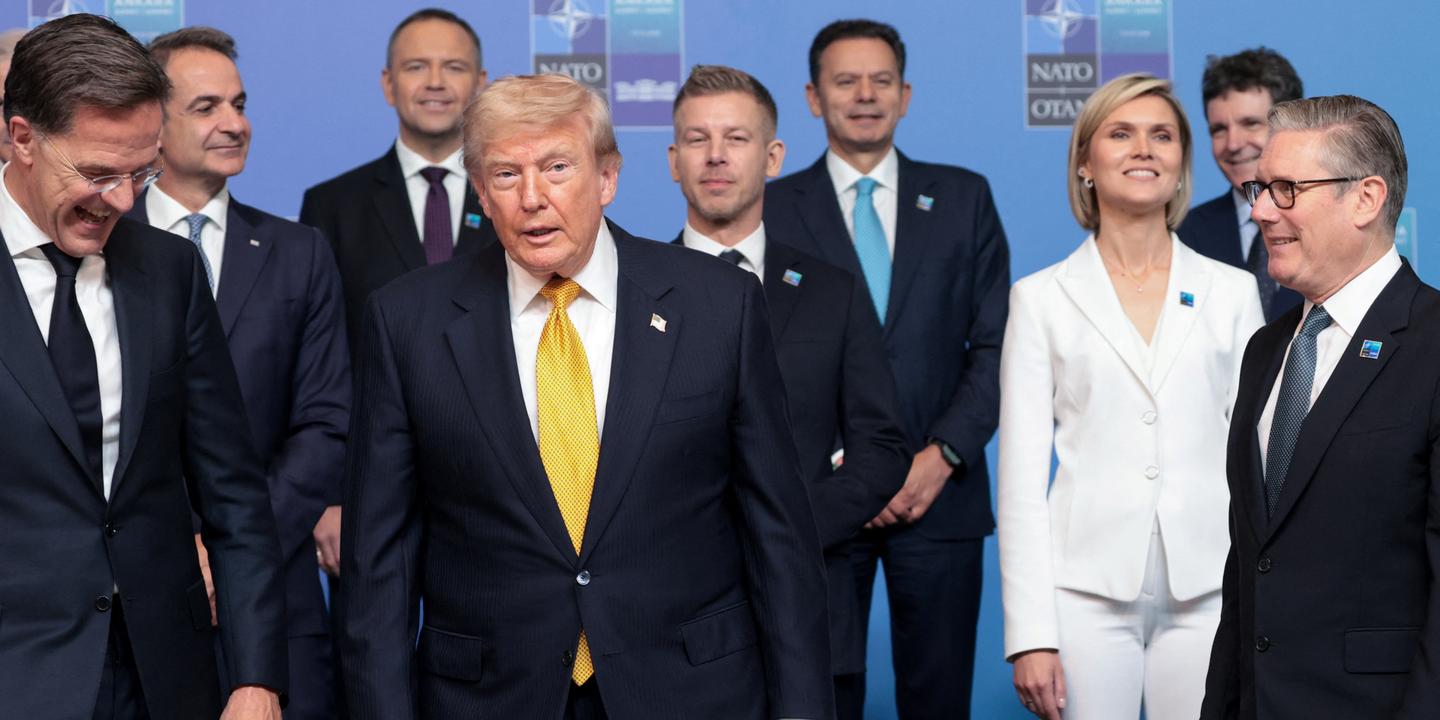
Speaking to reporters on Tuesday, Trump insisted that Washington was still sharing intelligence with Kyiv and working with both Moscow and Kyiv to end the war. “We are helping them, and we are sharing intel,” he said.
However, when asked whether Russia had violated the ceasefire, Trump declined to provide an immediate assessment, saying, “I’ll let you know about that later.”
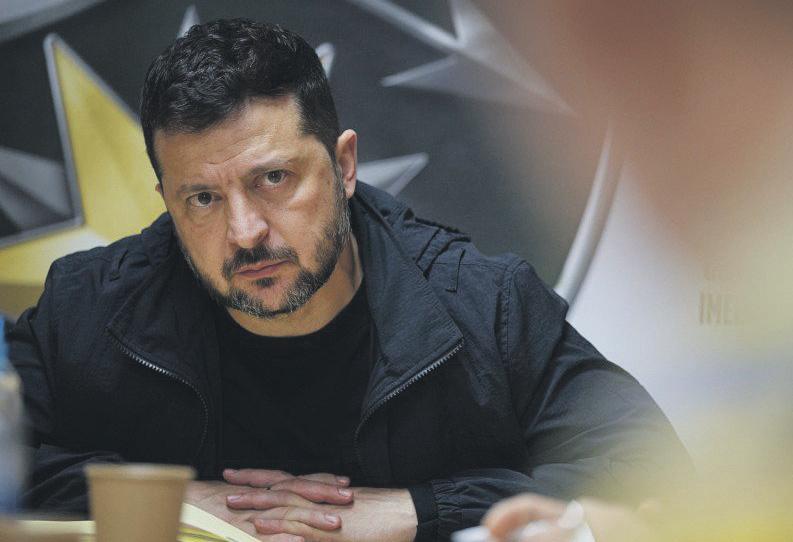
Zelensky described the overnight assault on Kyiv as “particularly vile,” saying five missiles struck civilian infrastructure. He said Ukraine had not received the usual advance warning from its allies about ballistic missile launches before the attack.
The absence of a warning is significant because Ukraine relies heavily on Western intelligence to detect incoming missile threats and prepare its air defences. Such information can help authorities issue alerts, protect civilians and respond to attacks on critical infrastructure.
However, it remains unclear whether the missing warning resulted from a deliberate change in intelligence-sharing policy, a delay in transmitting information or an inability to identify the incoming attack in time. Zelensky’s statement alone does not establish that Washington deliberately withheld intelligence.
The episode nevertheless comes at a sensitive moment for Kyiv, as concerns grow that US intelligence and weapons supplies could become leverage in Washington’s efforts to influence Ukraine’s military strategy.
Russia’s decision not to strike Ukrainian energy targets did not stop its wider attacks. The overnight assault instead focused on other infrastructure, highlighting the uncertainty surrounding the proposed ceasefire and the extent to which it will protect Ukrainian cities.
The distinction is crucial. A pause in attacks on power plants and other energy facilities could provide temporary relief, but continued strikes against transport networks and logistics infrastructure can still disrupt economic activity, threaten civilians and complicate Ukraine’s military operations.
The Kremlin has not publicly established a detailed framework explaining the ceasefire’s precise terms, duration or enforcement mechanisms. Without clear rules and reliable monitoring, both sides could interpret violations differently, making it difficult to determine whether the arrangement is delivering meaningful results.
Meanwhile, Ukraine’s dependence on American intelligence remains a major strategic concern. Since Russia launched its full-scale invasion in February 2022, US assistance has played an important role in helping Kyiv track Russian military movements and respond to aerial threats.
A significant reduction in intelligence cooperation could weaken Ukraine’s ability to anticipate attacks, particularly those involving ballistic missiles, which can leave very little time for defensive action. Although Ukraine has developed its own intelligence and surveillance capabilities, replacing the full range of American support would be difficult.
The controversy is unfolding amid growing tensions over Ukraine’s attacks on Russian oil refineries. Kyiv has targeted these facilities to disrupt fuel production, damage Russia’s energy industry and reduce revenue that helps finance its war effort.
Reuters and other media outlets have reported that US officials threatened to restrict intelligence-sharing and weapons sales unless Ukraine halted its refinery strikes. Such pressure would place Kyiv in a difficult position: continuing attacks could impose economic costs on Moscow, but losing American assistance could undermine Ukraine’s ability to defend itself.
Zelensky said Ukraine had not targeted Russian refineries since Trump’s announcement on Sunday, indicating that Kyiv was observing the proposed pause in those attacks.
Trump’s comments also highlighted the controversy surrounding a diesel arrangement connected to the broader energy discussions. Asked whether Russia could use proceeds from diesel sales to purchase more bombs, he avoided directly addressing the military implications.
“That’s a diesel deal, not for us. That’s being released into the world. That’s not being released to us,” Trump said.
The exchange underscored concerns that revenue from Russian energy exports could continue strengthening Moscow’s finances, even if the proceeds were not explicitly earmarked for military spending. Russia’s petroleum industry remains an important source of government income, helping sustain the country’s economy during the war.
For Kyiv, the issue is inseparable from its efforts to weaken Russia’s ability to fund military operations. For Washington, the challenge is to balance diplomatic pressure, energy-market considerations and the goal of ending the conflict.
The latest developments expose the fragility of the proposed energy ceasefire. Russia’s apparent restraint toward Ukrainian energy facilities offered a limited sign of progress, but the continued missile and drone attacks demonstrated that the wider war remains active.
For the arrangement to succeed, both countries would need clear commitments defining protected targets, restrictions on attacks and procedures for identifying violations. Without such safeguards, the ceasefire risks becoming a limited pause rather than a meaningful step toward reducing hostilities.
For Ukraine, the immediate concern is whether Western intelligence support will remain reliable as Washington pushes for concessions. For Trump, the challenge is to turn his announcement into a verifiable agreement that both sides respect.
Until the ceasefire’s terms become clearer and compliance can be independently assessed, Ukraine’s security remains uncertain. The Kyiv attack has reinforced concerns that diplomatic announcements alone cannot guarantee protection for civilians while Russian forces continue striking targets across the country.