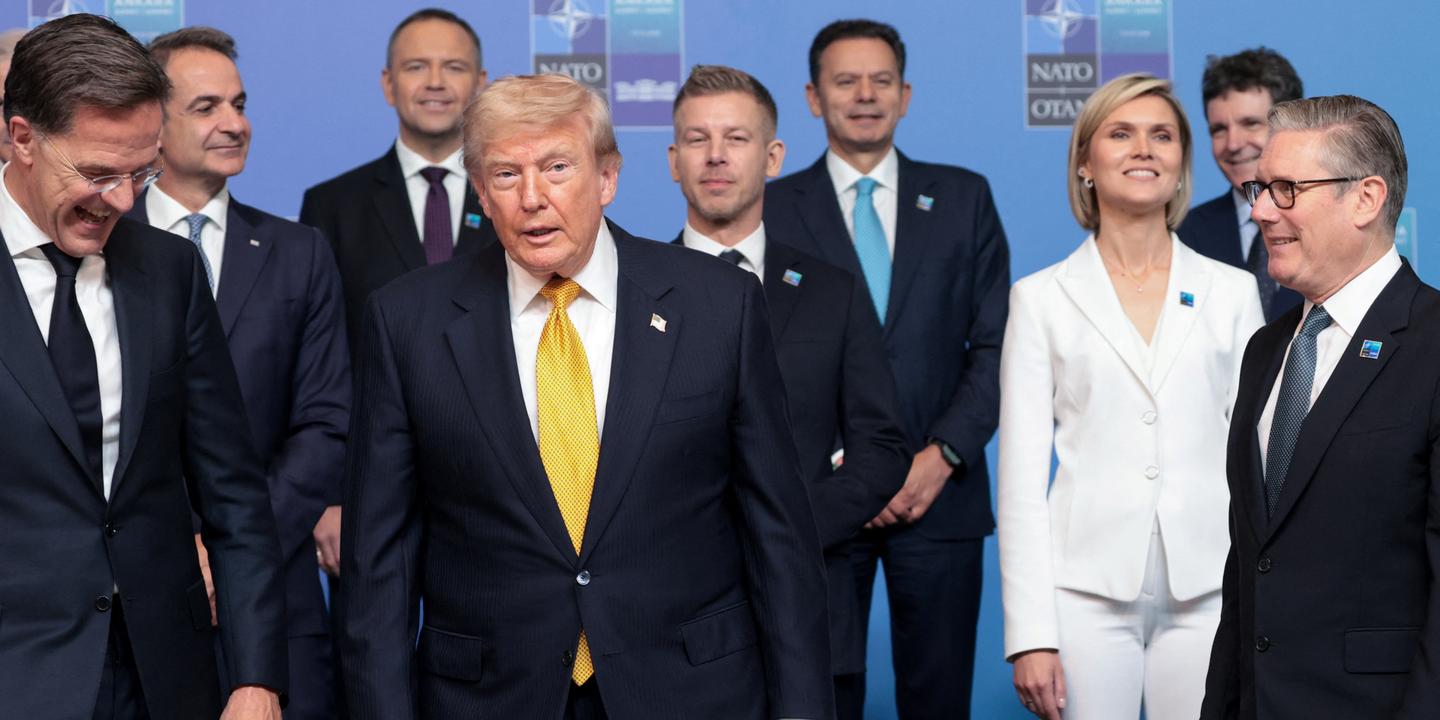
From Threats to Praise: Trump Keeps NATO Allies Guessing at Ankara Summit
U.S. President Donald Trump once again left NATO allies navigating a mix of criticism, unpredictability, and praise during this week’s alliance summit in Ankara, highlighting the unconventional diplomatic style that has come to define his dealings with America’s closest partners.
As leaders from NATO’s member states gathered for the high-profile meeting, many arrived uncertain about which version of Trump they would encounter. Would it be the president who has repeatedly praised allies for increasing defense spending, or the one who has questioned the alliance’s value, threatened economic retaliation, and criticized European governments for not doing enough to support U.S. security priorities?
Over the course of just two days, Trump displayed both sides.
Shortly after arriving in Ankara on Tuesday, the president sharply criticized several of Washington’s closest European allies, including the United Kingdom, Germany, France, and Italy. Trump accused them of failing to provide sufficient support for the United States during its military campaign against Iran, arguing that America had carried a disproportionate share of the burden.
His criticism extended beyond military cooperation. On Wednesday morning, Trump escalated tensions by threatening to cut off all trade with Spain, accusing Madrid of obstructing U.S. military efforts and failing to meet NATO’s defense spending expectations. The remarks briefly raised concerns that divisions within the alliance could deepen at a time of heightened geopolitical instability.
Yet only hours later, the tone shifted dramatically.
Following a closed-door meeting with NATO leaders, Trump praised many of the same governments he had criticized earlier. He welcomed their commitments to increase defense budgets and described the discussions as overwhelmingly positive, telling reporters the meeting had been filled with “love.”
“It was sort of pretty wild,” Trump remarked after emerging from the gathering, reflecting on the dramatic change in atmosphere over the course of the summit.
The rapid shift from confrontation to cooperation has become a familiar feature of Trump’s approach to international diplomacy. His negotiating style often combines public criticism, economic threats, and blunt demands with later praise once concessions or commitments are secured. While the strategy has frequently unsettled allies, it has also become something NATO leaders increasingly expect.
Diplomats attending the summit suggested that managing Trump’s unpredictable style has become an important part of alliance diplomacy. Rather than responding publicly to criticism, many leaders have adopted a strategy of engaging the president privately, emphasizing shared achievements and acknowledging his longstanding calls for greater European defense spending.
That approach appeared to be on full display during Trump’s meeting with NATO Secretary-General Mark Rutte.
Seeking to reinforce the alliance’s unity, Rutte praised Trump’s recent military strikes against Iran while also highlighting what he described as the president’s lasting impact on NATO. According to Rutte, Trump’s years of pressing European governments to increase military investment had fundamentally reshaped the alliance’s approach to collective defense.
“Grab the win. It’s there. You did it,” Rutte reportedly told Trump during their discussions, encouraging the president to claim credit for NATO members’ higher defense expenditures.
The message appeared to resonate.
By the conclusion of the summit, Trump was openly acknowledging what he viewed as growing support from European leaders. Speaking with reporters, he suggested that many allies had expressed personal admiration during private conversations.
“They said, ‘Sir, we love you.’ These are grown people saying that. Isn’t that nice?” Trump said.
He added with a smile that while such compliments may have been strategically motivated, they had nonetheless made an impression.
“Maybe they’re doing it to get to me. And in a way they did,” he remarked.
Behind the lighter moments, however, the summit also underscored the persistent challenges facing NATO.
Although leaders publicly emphasized unity, diplomats acknowledged that several sensitive issues remained unresolved. Questions surrounding future U.S. commitments to European security, disagreements over defense spending, and tensions related to Greenland were largely avoided during formal discussions, allowing leaders to maintain a united public front while postponing more contentious debates.
Analysts noted that relatively few major policy announcements emerged from the summit concerning the United States’ direct role within NATO. Instead, much of the diplomatic effort focused on preserving cohesion and ensuring that public disagreements did not overshadow broader strategic cooperation.
The alliance has spent recent years adapting to an increasingly complex global security environment marked by conflicts in Europe and the Middle East, rising geopolitical competition, cyber threats, and growing defense demands. Against that backdrop, maintaining transatlantic unity remains a top priority for many member states, even when political disagreements arise.
Trump’s continued emphasis on defense spending has remained one of the defining features of his NATO policy. Throughout both his previous and current administrations, he has argued that European allies should shoulder a greater share of collective defense costs rather than relying disproportionately on the United States.
Supporters of the president argue that his pressure campaign has produced measurable results, pointing to increased military budgets across much of Europe. Critics, however, contend that his confrontational rhetoric risks weakening trust among allies and creating unnecessary uncertainty during periods of international crisis.
The Ankara summit illustrated both perspectives. While Trump’s sharp criticism initially sparked concerns about alliance unity, his later praise and positive assessment of the meetings suggested that personal diplomacy and political messaging continue to play a central role in his foreign policy approach.
For NATO leaders, the experience has become increasingly familiar. Many now expect dramatic public statements followed by private negotiations and eventual reconciliation. As a result, diplomacy within the alliance has evolved to accommodate a president whose negotiating tactics often blend unpredictability with transactional deal-making.
Whether this approach strengthens NATO by encouraging greater burden-sharing or complicates cooperation through recurring uncertainty remains a subject of debate. What was clear from this week’s summit is that Trump’s ability to keep allies guessing continues to shape the alliance’s political dynamics as much as the formal agenda itself. Anthropic Brings Claude Cowork AI Platform to Mobile and Web Users | Maya