
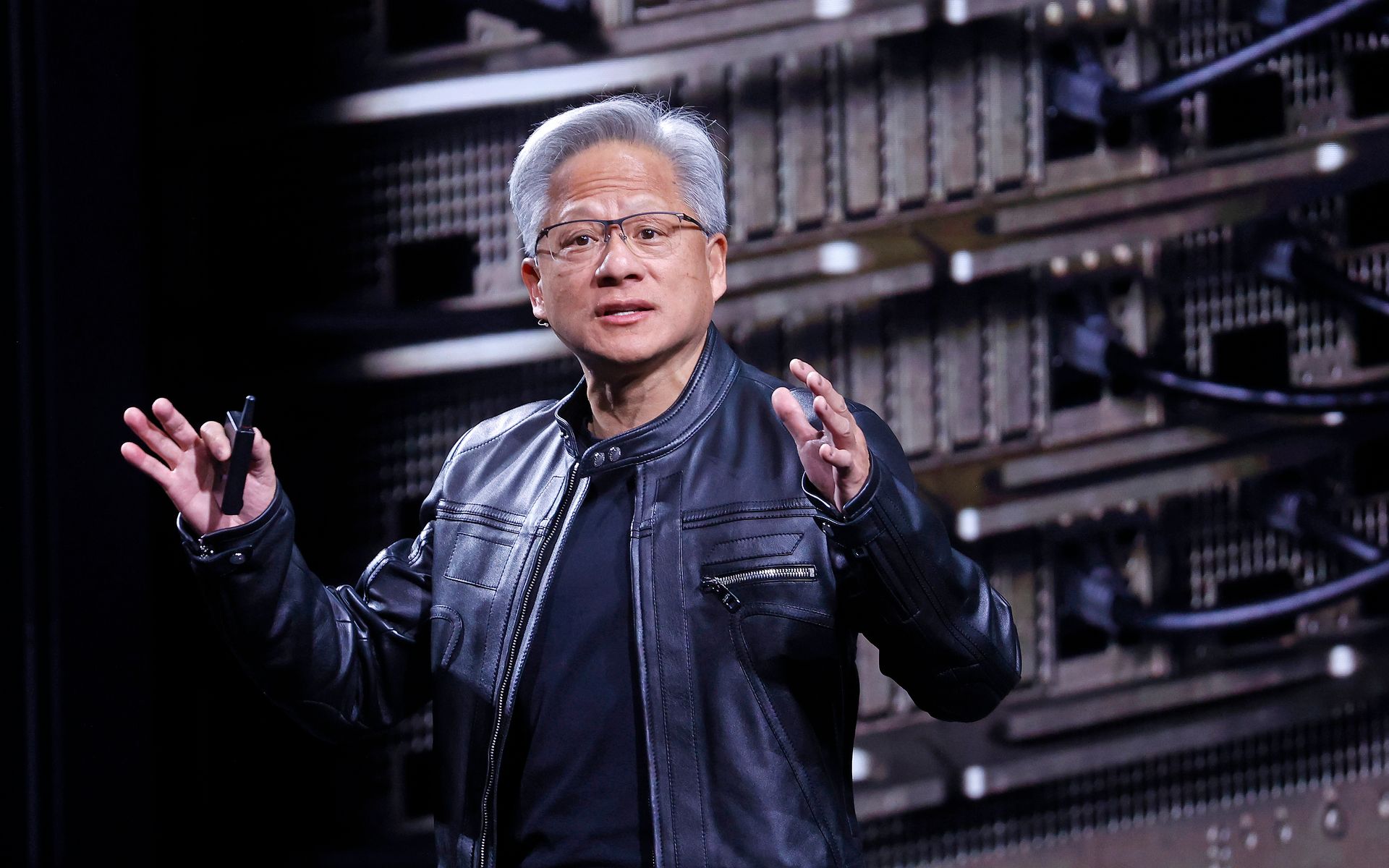
Nvidia Employees Want Jensen Huang Back: Inside the Leadership Crisis Shaking the AI Giant: Nvidia is facing an unexpected leadership crisis following the sudden resignation of its co-founder and longtime CEO, Jensen Huang. The departure has created uncertainty across the technology industry, particularly because Huang has played a central role in transforming Nvidia into one of the world’s most influential companies in artificial intelligence and advanced computing.
However, despite the controversy surrounding his exit, a section of Nvidia’s workforce reportedly wants the company’s former leader back. According to a report by WIRED, employees have been expressing support for Huang through the company’s internal suggestion platform, raising questions about leadership, workplace loyalty and corporate accountability.
The situation presents an unusual challenge for Nvidia: how does a technology company move forward when its employees remain strongly attached to the leader who has suddenly stepped down?
Why Did Jensen Huang Resign From Nvidia?
Jensen Huang, who co-founded Nvidia in 1993, resigned from his positions as president, chief executive officer and board member with immediate effect on November 11, 2026.
His departure followed reports concerning multiple extramarital relationships, including an alleged relationship with a woman suspected by US authorities of having connections to Chinese intelligence. Reports also described another relationship involving a senior Nvidia executive.
These allegations attracted considerable attention because of Nvidia’s importance to the global semiconductor industry and growing concerns about the security of advanced artificial intelligence technology.
The controversy reportedly prompted scrutiny from Nvidia’s board and raised questions about corporate governance and potential national security implications.
Nvidia has not publicly established that company secrets or sensitive information were compromised. Allegations involving possible intelligence connections should therefore be distinguished from confirmed findings.
Nvidia Employees Are Calling for His Return
Despite the controversy, Huang continues to have significant support among some Nvidia employees.
A WIRED report revealed that an internal company suggestion-box post attracted more than 1,600 comments. The original submission reportedly encouraged the board to consider employee sentiment before making decisions about Huang’s future.
Following his resignation, several employees reportedly used the platform to express their desire to see him return.
One anonymous employee reportedly wrote, “If you believe in the mission, bring back THE boss.”
Another employee argued that people can make mistakes and that Huang deserved another opportunity because of his contributions to the company.
These reactions highlight the complicated relationship between employees and influential business leaders.
For many employees, Huang is not simply another CEO. He is the co-founder who helped build Nvidia’s identity, culture and long-term technological ambitions.
His leadership has been closely associated with the company’s transformation from a graphics-processing hardware manufacturer into a major force in artificial intelligence.
Who Is Leading Nvidia After Huang’s Exit?
Following Huang’s resignation, Nvidia’s board appointed its chief financial officer, Colette Kress, as interim CEO.
Kress has been part of Nvidia’s leadership team since 2013 and has played an important role in managing the company’s financial operations during a period of substantial expansion.
She will continue serving as CFO while taking on the responsibilities of interim chief executive.
Meanwhile, Harvey C. Jones, a longtime Nvidia board member and former technology executive, has been appointed the company’s first-ever board chair.
The board has also confirmed that it will search for a permanent CEO, considering both internal and external candidates.
The immediate priority for Nvidia is maintaining operational stability while identifying leadership capable of carrying its AI strategy forward.
How Is the Leadership Crisis Affecting Nvidia’s Business?
Huang’s resignation comes at a particularly important time for Nvidia.
The company has become a central supplier of advanced processors used in AI training, data centres, cloud computing and other emerging technologies. Its products support major technology companies developing increasingly sophisticated AI systems.
Consequently, uncertainty surrounding its leadership can influence investor confidence, business partnerships and expectations about future growth.
Following the announcement, Nvidia shares experienced significant volatility, initially falling sharply before recovering some losses. The stock eventually closed approximately 4.3% lower on November 12.
Investors are now watching how the company manages its leadership transition and whether its existing strategy remains unchanged.
The incident also raises questions about the relationship between executive leadership and corporate risk, particularly when a company’s public identity is strongly connected to one individual.
Political and National Security Concerns Add Pressure
The controversy has attracted attention beyond Nvidia’s offices and financial markets.
US lawmakers have raised questions about reported connections involving Chinese-linked businesses and access to advanced AI chips. Earlier reporting also prompted requests for Huang to brief congressional committees about security procedures and potential risks.
Meanwhile, US President Donald Trump publicly praised Huang’s performance and suggested former Apple CEO Tim Cook as a possible replacement.
However, Trump’s suggestion does not mean Cook is an official candidate or that Nvidia’s board has committed to considering him.
These developments demonstrate how Nvidia’s leadership situation has become connected to broader discussions about semiconductor security, international technology competition and corporate governance.
Can Nvidia Move Forward Without Jensen Huang?
Nvidia now faces the difficult task of maintaining its position in the global AI market without the executive who has led the company for decades.
Although employee support for Huang demonstrates the strength of his influence, the board must also consider its responsibility to shareholders, employees, customers and business partners.
Colette Kress’s interim appointment provides continuity, but the permanent CEO selection will be an important decision for the company’s future.
The bigger question is whether Nvidia‘s success can continue without the leadership style and vision that helped make it an AI industry powerhouse.
For now, the company must balance employee sentiment, investor expectations and corporate responsibility while navigating one of the most unusual leadership transitions in its history. Euclid Telescope Releases Data on More Than 900 Million Galaxies, Offering New Clues About Dark Matter and Dark Energy | Maya