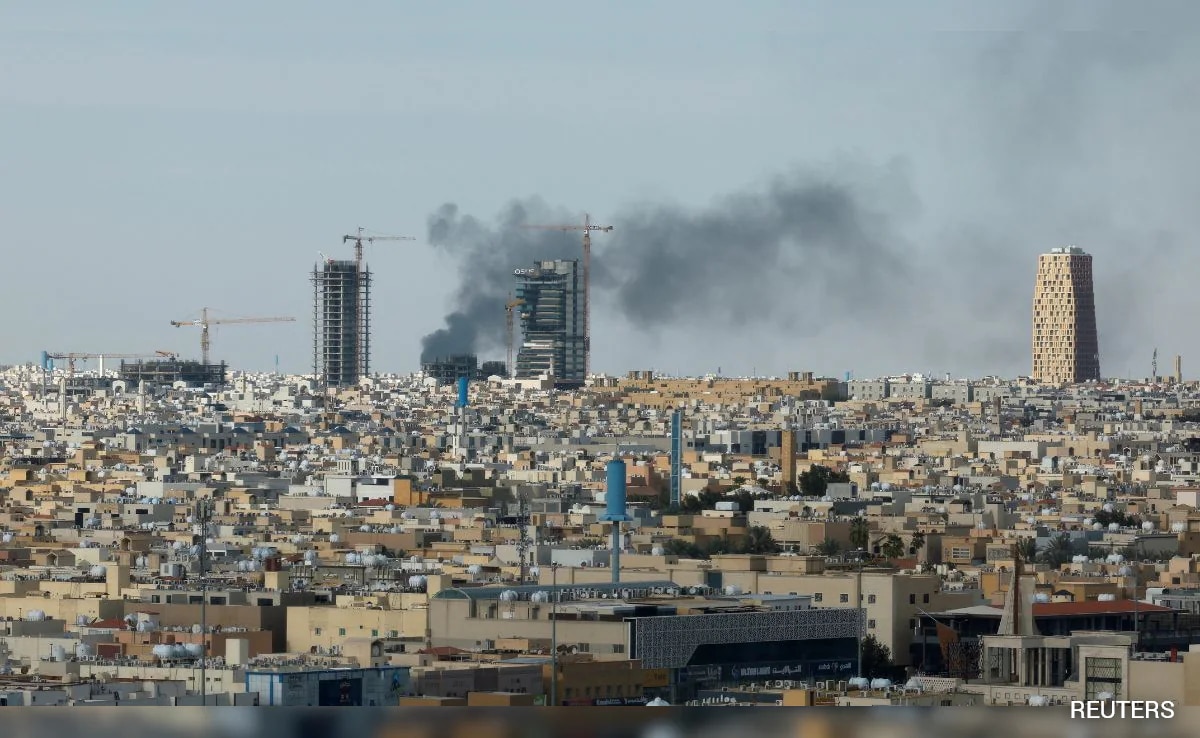

Will Trump Bomb Iran Again? Netanyahu Pushes for a Joint Military Offensive- Tensions between the United States and Iran are rising once again as President Donald Trump weighs the possibility of launching fresh military strikes against Tehran after the New Year. Israeli Prime Minister Benjamin Netanyahu is reportedly urging Washington to join an earlier military offensive, raising fears of another major confrontation in the Middle East. While Trump has indicated that he is willing to give diplomacy more time, his warnings against Iran and the continued military preparations suggest that the threat of renewed conflict remains serious.
Trump Keeps Military Option Open as Iran Talks Continue
The possibility of renewed American military action against Iran has become a major concern for regional governments and international observers.
In recent comments, Trump indicated that he would consider restarting military operations after January 1, 2027, if negotiations with Tehran failed to produce an agreement. The US president has suggested that Washington is not under immediate pressure to make a final decision, but he has not ruled out another offensive.
Speaking to Fox News, Trump expressed frustration with Iran’s negotiating approach and warned that Iranian vessels attempting to challenge the American naval blockade could face devastating consequences.
His remarks indicate that the White House intends to maintain pressure on Tehran through economic restrictions and maritime enforcement while keeping military intervention as a possible next step.
Washington’s position is particularly significant because the United States and Iran have already experienced a prolonged period of direct confrontation. Although the intensity of fighting has fluctuated, the underlying disagreements remain unresolved.
Trump’s latest position leaves Iran facing two possibilities: reaching an agreement with Washington or preparing for the risk of another American military campaign.
Netanyahu Wants the US to Join a New Offensive
While Trump appears prepared to delay an immediate decision, Netanyahu is reportedly pushing for a much faster military response.
According to Israeli media reports, the Israeli prime minister wants Washington to participate in a coordinated operation designed to significantly weaken Iran’s military capabilities and political leadership.
The proposed campaign is reportedly expected to involve several days of intensive military action rather than an extended ground war.
Israeli officials have expressed concerns about Iran rebuilding its ballistic missile production capabilities and strengthening infrastructure that could make future military operations more difficult.
Israel is also concerned about Iranian nuclear-related activities and the possibility that Tehran could improve its ability to protect sensitive facilities from potential attacks.
According to reports, Netanyahu believes a concentrated joint campaign could create a major strategic setback for Iran.
However, the proposal has reportedly generated disagreement within the Trump administration. Some advisers believe that another round of strikes could produce serious consequences without guaranteeing the political objectives sought by Israel.
The disagreement is not simply about whether military action is possible. It also concerns the timing, scale and long-term consequences of such an operation.
Netanyahu wants a decisive military response, but Trump must consider whether another offensive would improve American security or create a much larger regional crisis.
Washington Delays Immediate Action Despite Israeli Pressure
The latest developments suggest that the United States is not prepared to immediately follow Israel’s preferred timeline.
Israeli outlet Ynet reported that American officials had decided to postpone a potential strike by at least a week. The report cited US administration officials familiar with the discussions.
White House officials reportedly believe that Trump is unlikely to authorise an attack in the immediate coming days.
The president’s public comments also indicate that he is prepared to revisit the question after the beginning of 2027.
However, a delay should not be interpreted as a permanent rejection of military action. The administration continues to examine its options while monitoring developments involving Iran.
According to Axios, Trump has been receiving assessments about possible military scenarios and the potential consequences of renewed strikes. The discussions have reportedly included concerns about Iranian retaliation against American interests and energy infrastructure in the Gulf.
The White House is therefore facing a difficult decision: continue economic pressure and negotiations or support another military campaign that could produce unpredictable results.
US Military Readiness Adds to Regional Anxiety
Military preparations have become another important element of the developing crisis.
Reports from Israeli media suggest that US Central Command is maintaining a high level of readiness amid discussions about possible joint action against Iran.
Israel has also increased its military preparedness, particularly in response to the possibility of Iranian retaliation.
The concern is that any renewed offensive could trigger attacks against Israeli territory, American military installations and other strategic targets across the Middle East.
The presence of American military forces in the region also makes the situation particularly sensitive. US installations and personnel could become targets if Tehran decides to respond directly to another American attack.
However, military readiness does not automatically mean that an attack has been authorised.
The final decision rests with Trump, who must weigh the expected military gains against the potential human, economic and political costs.
Iran Warns It Is Ready for Any Possible Scenario
Tehran has responded to the growing pressure by maintaining a firm public position.
Iranian Parliament Speaker Mohammad Bagher Ghalibaf said the country needs lasting deterrence to remove the threat of another war.
His remarks suggest that Iran believes temporary diplomatic arrangements will not be sufficient unless they address the broader security concerns facing the country.
Iran’s Deputy Foreign Minister has also indicated that diplomatic discussions with Washington remain possible, but Tehran is preparing for different outcomes.
This position reflects Iran’s attempt to maintain negotiations without giving the impression that it will accept American demands under military pressure.
The country has repeatedly emphasised its right to defend its sovereignty and respond to external threats.
Meanwhile, the US naval blockade has become a major source of tension. Trump’s warning about Iranian vessels attempting to challenge the restrictions has increased concerns about a possible confrontation at sea.
Any incident involving military vessels could quickly escalate, particularly if either side interprets the other’s actions as a direct threat.
Gulf Nations Fear a Wider Middle East Conflict
The possibility of another US-Israeli offensive has also raised concerns among neighbouring countries.
Saudi Arabia, Qatar and the United Arab Emirates have condemned Iranian attacks on Bahrain, including an incident involving a civilian industrial facility.
The three countries expressed solidarity with Bahrain and reaffirmed their support for protecting its security and sovereignty.
Their statements demonstrate the growing concern among Gulf governments about the possibility that the confrontation could spread beyond Iran and Israel.
The Gulf region is particularly vulnerable because it contains important energy facilities, international shipping routes and strategic military installations.
A wider conflict could threaten oil production, disrupt commercial shipping and create serious challenges for countries that depend on stable energy exports.
Governments in the region are therefore facing a difficult balancing act. They maintain important security relationships with Washington while also seeking to avoid becoming directly involved in another prolonged war.
The potential economic consequences are another major concern, especially if attacks affect ports, refineries, power facilities or critical maritime infrastructure.
Qatar Steps Up Its Diplomatic Role
Amid growing uncertainty, diplomatic efforts are continuing.
US Secretary of State Marco Rubio is scheduled to meet Qatar’s Prime Minister and Foreign Minister Mohammed bin Abdulrahman Al Thani in Washington.
The meeting comes at a sensitive moment for US-Iran relations, with Qatar continuing to play an important role in regional diplomatic communication.
Doha has maintained channels with different regional actors and has supported efforts to reduce tensions between Washington and Tehran.
Although the prospects of a comprehensive agreement remain uncertain, diplomatic engagement could help prevent misunderstandings and provide both sides with an opportunity to avoid another military confrontation.
The discussions are particularly important because a new conflict could have consequences extending well beyond the immediate parties involved. Miley Cyrus Marries Maxx Morando in Intimate Palm Springs Wedding, First Look at Her Wedding Dress Revealed | Maya