
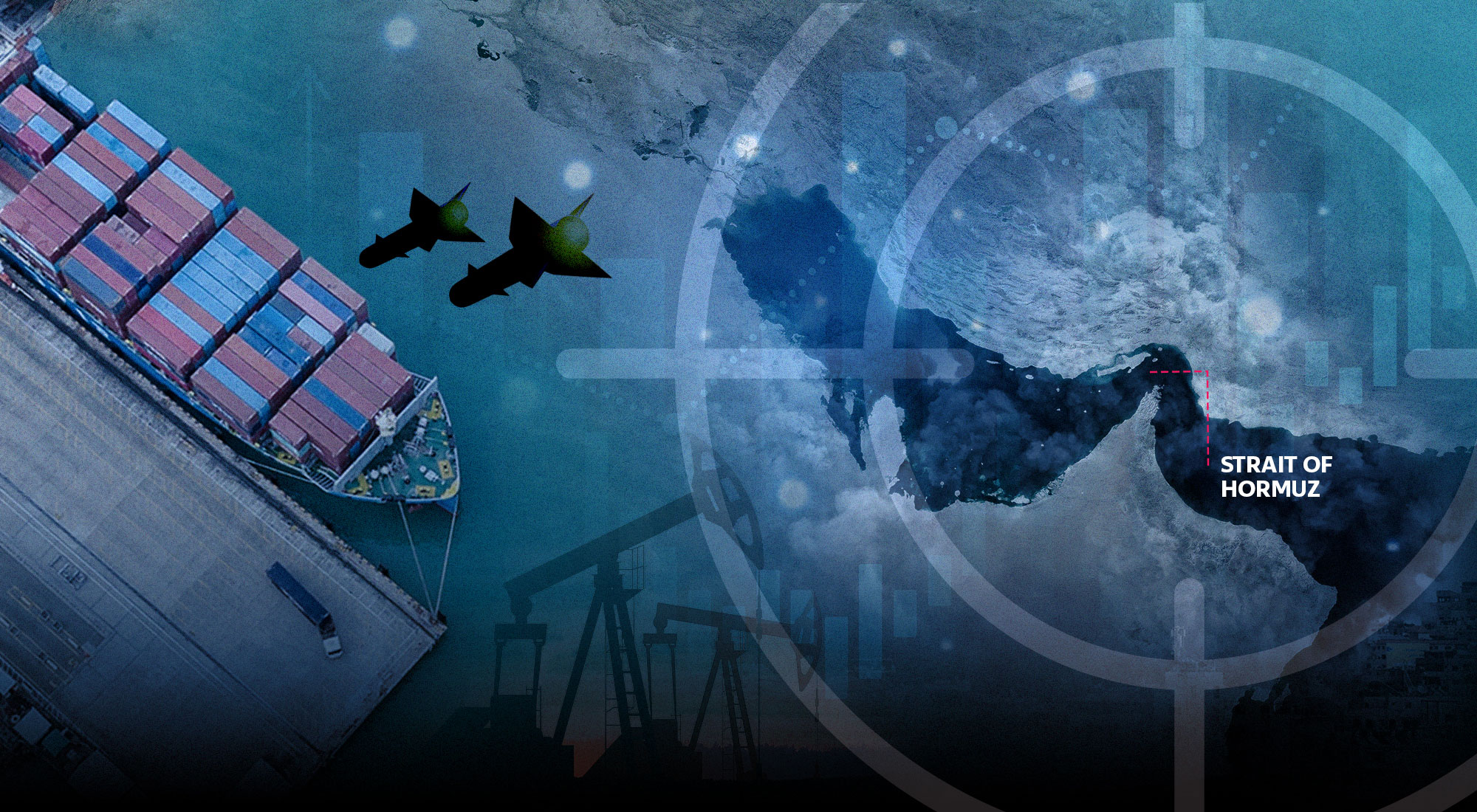
The Global Cost of a Prolonged Middle East Conflict- The Middle East has erupted into widespread hostilities in 2026, involving Iran, Israel, and the Gulf states. While the immediate human toll is staggering, the conflict’s global economic, political, and security consequences extend far beyond the region. A prolonged war could ripple across energy markets, trade networks, tourism, and international alliances, fundamentally reshaping global stability.
1. Energy Market Disruptions
The Gulf region supplies a significant portion of the world’s oil and gas. Any sustained conflict threatens supply, raising prices and creating uncertainty across global markets.
-
Strait of Hormuz Vulnerability: Roughly 20% of global oil passes through this narrow waterway. Hostilities in the area could force shipping reroutes, delaying deliveries and driving up tanker costs.
-
Oil Price Volatility: Prolonged conflict could push Brent crude beyond $120 per barrel, triggering inflationary pressures worldwide.
-
Strategic Reserves: Countries like the U.S., China, Japan, and European states may tap emergency reserves, but extended disruption risks long-term energy instability.
Global Impact: Manufacturing, transportation, and consumer goods costs rise worldwide. Emerging economies, heavily reliant on imported fuel, are especially vulnerable.
2. Trade and Logistics Strain
Middle Eastern shipping corridors are critical for global trade.
-
Shipping Reroutes: Red Sea and Gulf rerouting increases delivery times by days or even weeks.
-
Insurance Premiums: Maritime insurance costs soar due to heightened conflict risk.
-
Supply Chain Delays: Electronics, pharmaceuticals, and perishable goods face disruptions, creating cascading effects from Asia to Europe and North America.
Global Impact: Companies may relocate supply chains, raising production costs and slowing global economic growth.
3. Tourism Collapse
Middle Eastern tourism, previously thriving in cities like Dubai, Doha, Abu Dhabi, and Riyadh, faces unprecedented losses.
-
Visitor Decline: Estimates suggest 20–30 million fewer tourists in 2026 alone.
-
Revenue Loss: The industry could lose $40–$55 billion, affecting hotels, restaurants, and cultural sectors.
-
Business Travel Disruption: Global conferences, trade shows, and corporate travel are being postponed or relocated.
Global Impact: Reduced tourism spending affects regional economies and international service providers, including airlines and global hotel chains.
4. Geopolitical Consequences
A prolonged conflict challenges traditional alliances and may accelerate a shift toward multipolar global power dynamics.
-
United States: Balances support for Israel and Gulf allies with domestic opposition to extended military involvement.
-
China: Uses economic influence and diplomacy to secure energy supplies and expand soft power in the region.
-
Russia: Positions itself as a military and diplomatic broker, strengthening ties with Iran and regional proxies.
-
NATO: Faces pressure to protect European energy interests, possibly stretching operational focus beyond traditional borders.
Global Impact: Shifts in power influence energy deals, military partnerships, and trade policies. Countries may diversify alliances to hedge against uncertainty.
5. Financial Market Volatility
The conflict has already triggered instability in global markets.
-
Stock Market Fluctuations: Investors react to risk in energy, transport, and defense sectors.
-
Currency Pressures: Currencies in energy-importing countries may weaken as oil prices rise.
-
Investor Confidence: Heightened uncertainty discourages foreign investment in the Middle East and globally.
Global Impact: Global economic growth slows, with ripple effects on emerging markets, pension funds, and multinational corporations.
6. Humanitarian and Social Costs
While often underemphasized in global analysis, prolonged conflict also has massive human costs that feed into economic consequences.
-
Displacement: Millions could flee conflict zones, creating regional migration pressures.
-
Health and Education: Infrastructure destruction disrupts essential services, affecting labor markets long-term.
-
Economic Disruption: Local economies collapse under prolonged instability, reducing regional trade and investment.
Global Impact: Humanitarian crises require international aid, diverting resources and attention from other global priorities.
7. Long-Term Strategic Consequences
A war that stretches over months or years would have lasting effects on global power dynamics:
-
Energy Realignment: Countries may accelerate alternative energy investments to reduce dependency on the Gulf.
-
Global Trade Networks: Firms could relocate supply chains, making Asia, Africa, or the Americas more central to certain industries.
-
Diplomatic Shifts: Alliances may become more fluid, with nations hedging between the U.S., China, and Russia for strategic advantage.
Global Impact: The Middle East transforms from a regional hotspot to a strategic pivot in global politics, economics, and security.
Conclusion
The costs of a prolonged Middle East conflict extend far beyond its borders. From surging oil prices and disrupted trade to collapsing tourism, financial market instability, and evolving global alliances, the war in 2026 threatens to reshape the world economy and the international order. The human toll compounds these challenges, adding urgency to diplomatic efforts.
Ultimately, the global impact is a stark reminder that instability in the Gulf is no longer a regional concern—it is a defining factor in 21st-century geopolitics, economics, and global security. Every additional month of conflict increases the financial, political, and human cost, making resolution not just desirable, but critical for the world economy and international stability.

 "25% Tariff? Trump Just Shook Up India’s Economy")