Why Was May 20 a Historic Day on Mount Everest?
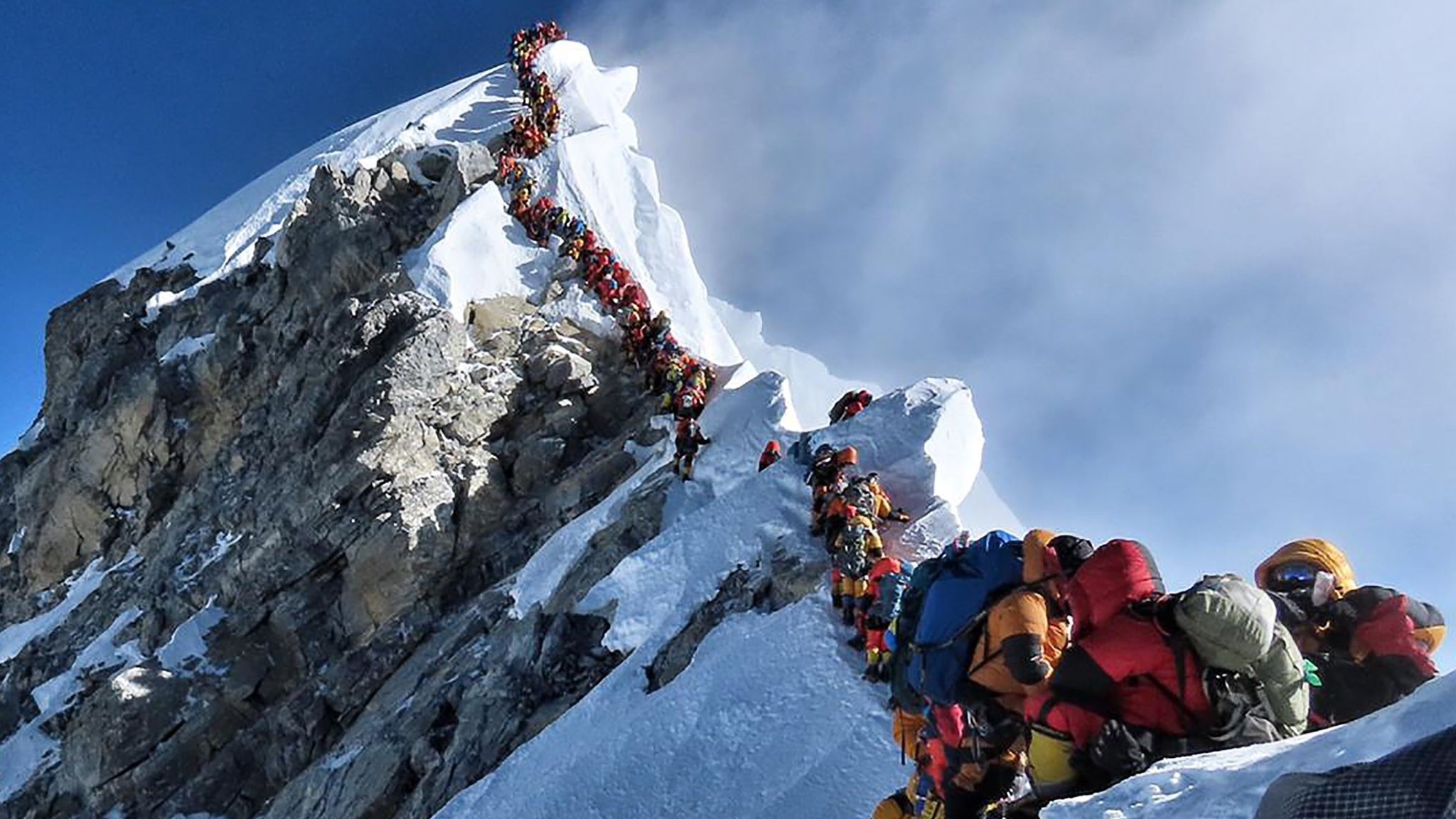
Mount Everest has witnessed countless moments of triumph, tragedy, and endurance over the decades, but May 20, 2026, carved out a unique place in the mountain’s history. On that single day, 274 climbers successfully reached the summit from the Nepal side, setting a new record for the highest number of ascents ever recorded in one day on that route. The achievement turned an ordinary weather window into one of the busiest and most remarkable summit pushes the world’s tallest mountain has ever seen.
For mountaineers, guides, and expedition operators, the day represented far more than a number. It reflected weeks of uncertainty, dangerous route preparation, delayed schedules, and the relentless determination of climbers chasing their dream of standing on top of the world.
A Massive Wave of Summit Success
Between May 19 and May 21, more than 500 climbers stood atop Everest. However, May 20 became the standout day of the season as hundreds moved upward in near-perfect weather conditions. Climbers took advantage of calm winds, clear skies, and stable temperatures on the mountain’s upper slopes — a rare combination on Everest, where conditions can turn deadly within minutes.
The summit push began in the early hours of the morning and continued for nearly eleven straight hours. From the dark, freezing climb above Camp IV to the narrow ridge near the Hillary Step, climbers formed long chains moving steadily toward the summit.
Despite concerns about overcrowding, the day passed without any major accidents or fatalities among summit climbers. That outcome surprised many within the climbing community because heavy traffic near the summit has historically increased risks of exhaustion, frostbite, and oxygen depletion.
The atmosphere at Everest Base Camp reportedly shifted from anxiety to celebration as successful summit reports arrived over radio communication throughout the day.
Why the 2026 Season Was Unusual
The historic summit rush becomes even more significant when viewed against the backdrop of the difficult start to the 2026 Everest season.
Normally, climbers begin rotations on Everest in late April, gradually acclimatizing before making summit attempts in early to mid-May. But this year, dangerous conditions in the Khumbu Icefall created major delays.
The Khumbu Icefall is one of the most feared sections of the climb. Massive blocks of ice constantly shift and collapse as the glacier slowly moves downhill. In 2026, route-fixing teams encountered unusually unstable ice towers near the upper section of the Icefall. The structures posed a serious threat to anyone attempting to pass underneath.
Because of the danger, mountain workers delayed opening the route for more than two weeks. Expedition leaders worried the season could collapse entirely if climbers lost too much valuable weather time.
For many foreign climbers who had spent years preparing and thousands of dollars to attempt Everest, the uncertainty became emotionally draining. Guides at Base Camp openly discussed the possibility that teams might run out of safe summit opportunities.
Eventually, workers managed to complete the route through the Icefall on April 28, later than usual but still early enough to save the season.
Sherpa Workers Made the Season Possible
Behind every successful Everest season stands a massive team of Nepali mountain workers who carry equipment, establish camps, fix ropes, and guide clients through dangerous terrain.
This year, their role became even more critical.
After finally opening the route, rope-fixing teams moved quickly up the mountain to secure the upper slopes. These workers faced extreme altitude, brutal weather, and constant avalanche danger while preparing the path that hundreds of climbers would later follow.
Their efforts compressed the climbing season into a much shorter timeframe. Once the route became fully operational, expedition companies had only a limited number of weather windows to move large numbers of climbers toward the summit.
That pressure ultimately contributed to the enormous crowds seen on May 20.
At the same time, the risks faced by Sherpa workers remained painfully clear. Three Nepali mountain workers died during the 2026 season while supporting expeditions on Everest. Their deaths served as a reminder that the people making these climbs possible often carry the greatest burden and danger.
Record Numbers on the Mountain
Nepal issued a record 494 climbing permits for Everest during the 2026 spring season. Since most climbers ascend with guides and support staff, the actual number of people on the mountain likely exceeded 900.
The surge reflects Everest’s growing popularity among both experienced mountaineers and wealthy adventure seekers. Reaching the summit has become a global symbol of achievement, attracting climbers from every corner of the world.
However, rising numbers continue to spark debate within the mountaineering community.
Critics argue that Everest is becoming overcrowded and overly commercialized. Long lines near the summit can create dangerous delays in the “death zone,” where oxygen levels are dangerously low and the human body begins deteriorating rapidly.
Supporters of guided expeditions, on the other hand, point out that improved logistics, weather forecasting, supplemental oxygen systems, and professional guiding have helped make Everest safer than in previous decades.
The events of May 20 reignited this conversation. While the record-breaking summit day ended without catastrophe, many climbers and experts questioned whether such large numbers should be allowed on the mountain at once.
Historic Climbers Added to the Moment
The 2026 season also featured several remarkable personal achievements that added to the historic atmosphere surrounding Everest.
Among the most celebrated climbers was Kami Rita Sherpa, who extended his own world record by summiting Everest for the 32nd time. His accomplishment once again highlighted the unmatched expertise and endurance of Sherpa climbers.
Rather than focusing on personal fame, Kami Rita emphasized that his climbs represent pride for the Sherpa and Nepali communities. Over the years, he has become one of the defining figures in Everest history.
Another milestone came from Lhakpa Sherpa, often called the “Mountain Queen,” who completed her 11th successful Everest ascent. Her achievement strengthened her status as one of the most accomplished female Everest climbers in history.
Meanwhile, Polish ski mountaineer Bartez Ziemski delivered one of the season’s boldest performances by skiing from the summit all the way back to Everest Base Camp without supplemental oxygen. Only one other climber had reportedly completed such a feat before him.
These accomplishments transformed the 2026 season from simply a story about crowds into a season filled with individual breakthroughs and extraordinary athletic performances.
A Turning Point for Everest?
The events of May 20 may ultimately represent a larger turning point in Everest climbing.
On one hand, the successful summit push demonstrated how modern expedition logistics, teamwork, and forecasting can safely move hundreds of climbers to the summit during a short weather window.
On the other hand, the sheer scale of the crowds highlighted ongoing concerns about sustainability, environmental impact, and safety on the world’s highest peak.
Everest has always balanced adventure with risk. Every season brings stories of ambition, resilience, sacrifice, and loss. But the mountain is also changing. Technology, commercial guiding, and rising global interest have transformed what was once an elite mountaineering challenge into a major international industry.
The historic events of May 20 showed both the incredible possibilities and the growing pressures facing Everest in the modern era.
For the climbers who reached the summit that day, it was likely the achievement of a lifetime. For the Sherpa workers who made it possible, it was another demonstration of unmatched strength and professionalism. And for the mountaineering world, it was a powerful reminder that Everest continues to evolve — even after decades of exploration.
One thing is certain: May 20, 2026, will be remembered as one of the most extraordinary days in Mount Everest history. Meta Employees Trained the A.I. That Replaced Them | Maya