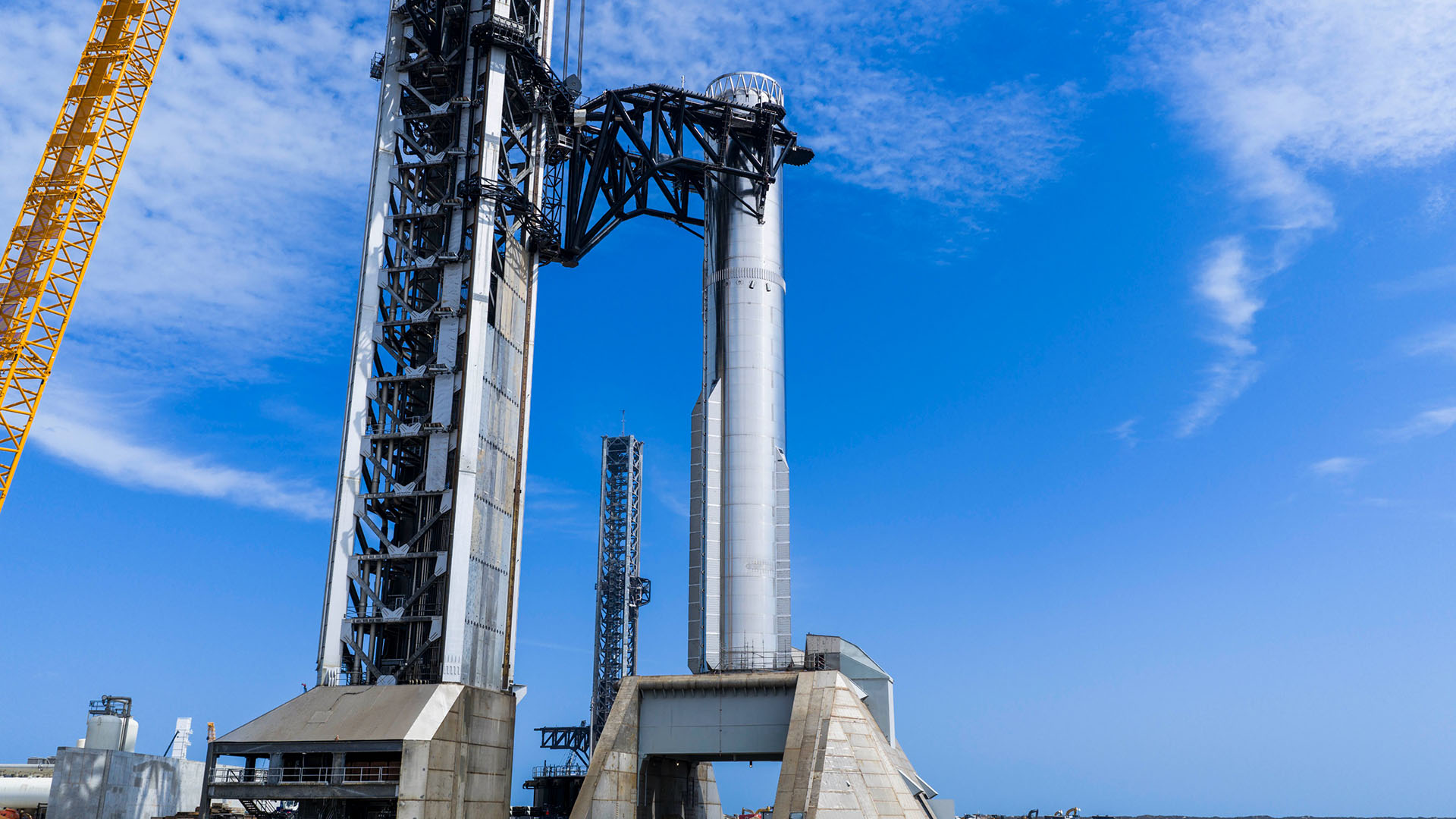
SpaceX Prepares Starship V3 for First 2026 Test Flight from Starbase
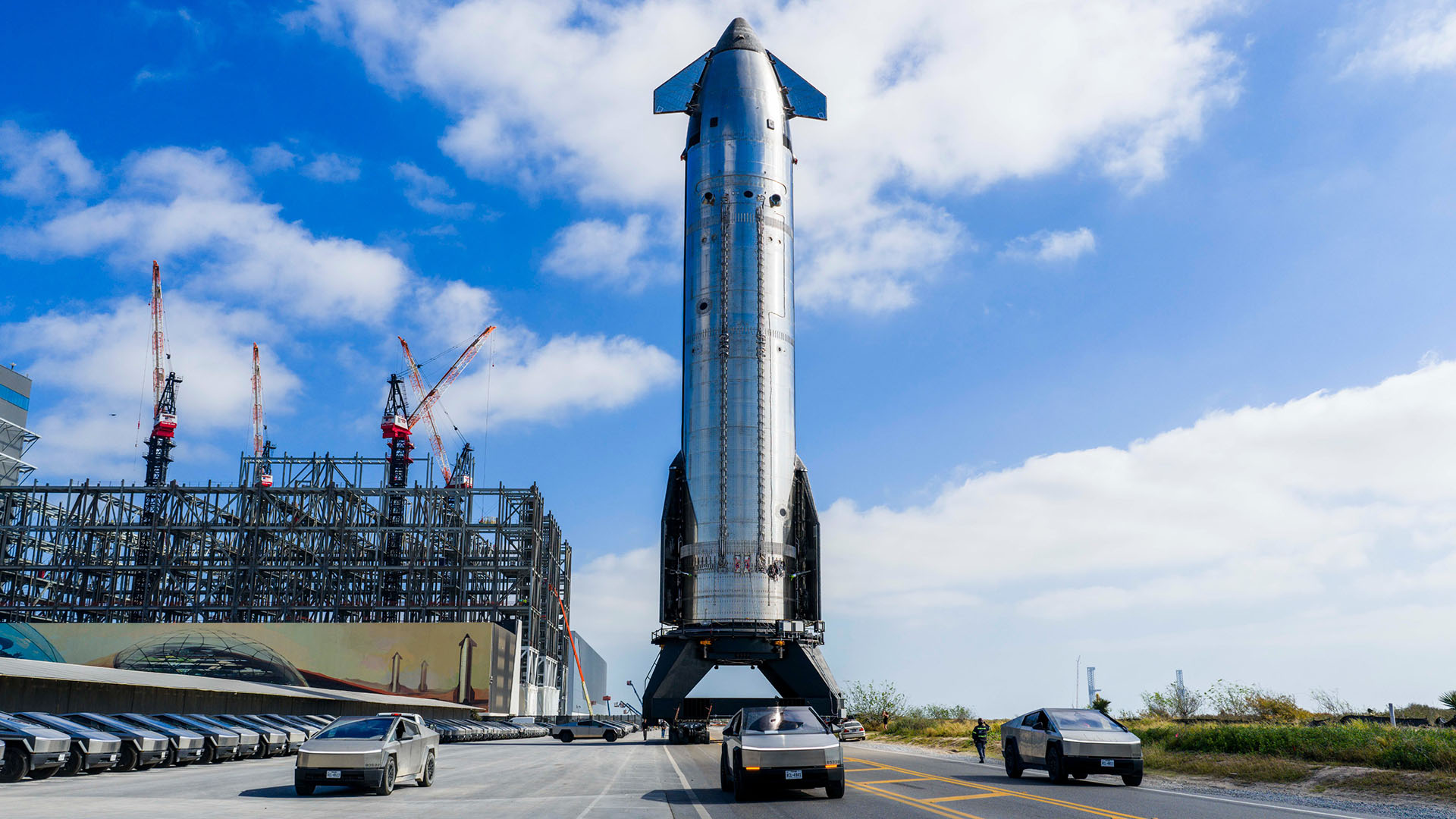
SpaceX is preparing to return its next-generation launch system, the massive SpaceX Starship program, to flight with a highly anticipated test mission from Starbase, Texas. This upcoming launch marks the first Starship test flight of 2026 and represents a major step forward in the evolution of the most powerful rocket system ever built.
The vehicle, commonly referred to as Starship V3, is expected to incorporate a range of upgrades across propulsion, heat shielding, avionics, and structural design. The mission comes after a multi-month pause in integrated flight testing, a period during which engineers refined systems based on previous test results and failures.
At its core, this flight is not just another launch—it is part of a long-running experimental campaign to perfect a fully reusable deep-space transportation system.
Starship and Super Heavy: The System Redefining Rocketry
The Starship system consists of two fully reusable stages:
- The upper stage spacecraft: Starship (spacecraft)
- The first-stage booster: Super Heavy booster
Together, they form the largest and most powerful rocket system ever constructed, designed for missions ranging from Earth orbit deployment to lunar landings and eventual Mars colonization.
Unlike traditional expendable rockets, Starship is built around full reusability. Both stages are designed to return to Earth and be flown again, drastically reducing cost per launch if successful at scale.
A Brief History: From Prototype Explosions to Orbital Attempts
The Starship program began as a radical redesign of SpaceX’s earlier Falcon architecture, shifting toward stainless steel structures and methane-based propulsion. Early prototypes—often referred to as “Starhopper” and later SN-series vehicles—were tested at low altitudes in Texas.
These early experiments were critical in proving key concepts:
- Controlled vertical takeoff and landing
- Raptor engine performance
- Rapid iteration of structural design
However, the program quickly moved into full-scale orbital-class testing, where failures became part of the development process.
Key milestones in the program’s evolution include:
- First high-altitude flights: Demonstrated controlled ascent and body-flap maneuvering
- Multiple explosive landings: Provided data on fuel management and landing stability
- Booster separation tests: Validated staging under extreme aerodynamic pressure
- First integrated flight tests: Combined Starship and Super Heavy in full stack launches
Each test—successful or not—fed directly into redesign cycles, a hallmark of SpaceX’s iterative engineering philosophy.
Learning Through Failure: Why Scrubs and Explosions Matter
Unlike traditional aerospace programs, SpaceX embraces a rapid test-and-learn approach. Early Starship flights often ended in dramatic failures, including mid-air breakups, landing explosions, and booster losses.
But each failure delivered crucial insights:
- Heat shield tile durability during reentry
- Engine relight timing and stability
- Structural flex under Max-Q (maximum aerodynamic pressure)
- Stage separation dynamics under full thrust conditions
Even launch scrubs—such as last-minute holds—are considered valuable. They allow engineers to test ground systems, software logic, and safety checks without risking hardware loss.
The upcoming V3 flight continues this philosophy, with engineers aiming to validate improvements rather than simply achieve orbit.
What’s New in Starship V3
The latest iteration, often referred to as Starship V3, is expected to include a series of refinements based on previous flight data.
1. Improved Heat Shield System
One of the most critical upgrades involves the thermal protection system. Previous flights revealed that heat shield tiles are among the most challenging components to perfect. V3 is expected to include:
- Better tile adhesion systems
- Improved insulation materials
- Reduced vulnerability at tile edges and seams
2. Engine and Propulsion Enhancements
The rocket uses SpaceX’s Raptor engines, which burn liquid methane and liquid oxygen. Updates focus on:
- Higher reliability during startup and shutdown sequences
- Improved thrust efficiency
- Better engine redundancy during critical flight phases
3. Structural Refinements
The stainless steel hull has undergone iterative strengthening:
- Reduced weight without compromising integrity
- Improved load distribution during ascent
- Enhanced resistance to vibration and acoustic stress
4. Software and Flight Control Improvements
Autonomous flight control systems have also been refined:
- More precise trajectory correction
- Better real-time response to anomalies
- Enhanced staging coordination between booster and ship
Mission Profile: What This Test Flight Will Attempt
While each Starship test flight has unique objectives, the general mission profile typically includes:
- Launch and ascent from Starbase
- Stage separation between Super Heavy and Starship
- Booster return attempt or controlled splashdown
- Upper-stage flight to near-orbital velocity
- Reentry testing over the ocean
- Data collection on thermal and structural performance
Even partial success is valuable. For example, a clean stage separation or stable engine burn can be considered major milestones even if later phases are lost.
Why This Flight Matters More Than Ever
This upcoming launch is especially important because it represents the first integrated test flight after a significant pause in operations. That gap suggests substantial redesign work rather than incremental tweaks.
The stakes are high for several reasons:
1. NASA Lunar Program Relevance
Starship is a key part of NASA’s Artemis program architecture for returning humans to the Moon.
2. Mars Ambitions
SpaceX CEO Elon Musk has repeatedly emphasized Starship as the foundation for eventual Mars missions.
3. Commercial Payload Potential
A fully reusable heavy-lift system could transform satellite deployment economics.
4. Engineering Validation
This flight is a real-world stress test of upgrades that cannot be fully simulated on the ground.
Starbase: The Launch Site of the Future
The launch site at Starbase, Texas has evolved into one of the most advanced private rocket facilities in the world. Built along the Texas Gulf Coast, it serves as both a manufacturing hub and a test range.
Key features include:
- High bay integration facilities for full stack assembly
- Multiple launch and test pads
- Engine test stands for Raptor firing
- On-site rapid prototyping infrastructure
Starbase reflects SpaceX’s philosophy of vertically integrated engineering—building, testing, and launching all in one location.
Highlights and Expectations for This Flight
While outcomes remain uncertain, observers are focusing on several key highlights:
• First real-world validation of V3 upgrades
• Booster performance during descent and landing phase
• Heat shield durability under full reentry conditions
• Stability of the Raptor engine cluster under dynamic load
• Data quality for future rapid iteration cycles
Even if the mission does not achieve full success, it will likely provide enough engineering data to inform the next version of Starship.
In Summary: A Step Toward Interplanetary Flight
The upcoming Starship V3 test flight represents more than a launch—it is part of a long-term effort to redefine human access to space.
The SpaceX Starship system continues to evolve through a process of bold experimentation, rapid iteration, and data-driven engineering. Each flight brings the program closer to its ultimate goals: a fully reusable launch system capable of carrying humans and cargo to the Moon, Mars, and beyond.
As the countdown begins at Starbase, Texas, the world will once again watch to see whether the most ambitious rocket ever built can take its next step toward becoming operational reality.
Google Introduces New Gemini AI Usage Limits, Sparking User Backlash | Maya