Deadly Consequences: How Conflict is Fueling Global Disease Outbreaks
Across the globe, armed conflict is increasingly recognized not just as a geopolitical issue but as a major public health crisis. In regions such as Ukraine, Iran, and Israel-Palestine, the combination of disrupted healthcare, displaced populations, and damaged infrastructure is triggering outbreaks of infectious and chronic diseases at an alarming rate. These crises threaten to extend far beyond the borders of conflict zones, creating regional and global health emergencies.
The interplay between war and disease is stark: violence destroys hospitals, restricts access to essential medicines, and forces populations into overcrowded, unsanitary living conditions — a perfect storm for epidemics.
Ukraine: A Nation Struggling to Stay Healthy Amid War
The ongoing conflict in Ukraine has left a decimated healthcare system. Hospitals have been bombed, medical staff displaced, and supply chains interrupted. The result is a population at high risk for both infectious and chronic illnesses.
Rising Risk Among Displaced Populations
Over millions of Ukrainians have been forced from their homes, often living in shelters or temporary camps. These settings are crowded, poorly ventilated, and lacking clean water, creating an environment where respiratory infections, diarrheal diseases, and vaccine-preventable illnesses spread rapidly.
Chronic disease management has also suffered. People with conditions like heart disease, diabetes, and cancer face interruptions in treatment, resulting in preventable complications and deaths. Mental health crises are widespread, with anxiety, depression, and post-traumatic stress increasing across communities under siege.
Water and Sanitation Breakdown
Conflict has severely damaged water treatment plants and sewage systems, exposing the population to waterborne diseases such as cholera, typhoid, and hepatitis. Children and the elderly are particularly vulnerable, suffering long-term health consequences when sanitation and hygiene are compromised.
Iran: Health Systems Under Pressure
In Iran, renewed military activity and internal instability have created similar public health dangers. Hospitals and research centers have been damaged, halting critical disease monitoring and medical research programs.
Compromised Disease Surveillance
With laboratories destroyed and trained personnel injured or displaced, Iran’s capacity to detect and respond to outbreaks has weakened. Diseases that could have been contained early are now at risk of spreading widely before intervention.
Medical Supply Disruptions
Supply chains for essential medications, vaccines, and medical equipment have been interrupted, leaving millions without treatment for chronic or acute conditions. Fuel shortages and unsafe transport routes further impede access to life-saving resources.
Displacement and Disease Risk
Millions are living in temporary shelters with limited access to clean water, sanitation, and nutrition, creating conditions that accelerate the spread of respiratory infections, diarrheal illnesses, and other preventable diseases. Vulnerable populations, including children and the elderly, face heightened health risks.
Israel and Palestinian Territories: Chronic Crisis Meets Acute Danger
The protracted conflict in Israel and the Palestinian territories has created one of the most fragile health environments in the world. Hospitals and clinics operate beyond capacity, struggling to provide emergency care and routine health services alike.
Healthcare Under Siege
Medical facilities face frequent shortages of supplies, equipment, and staff, making it nearly impossible to meet the needs of injured civilians and those requiring routine care. Attacks on ambulances and hospitals exacerbate the situation, creating a humanitarian emergency.
Sanitation and Overcrowding
In Gaza and parts of the West Bank, broken sewage systems and disrupted water infrastructure have led to outbreaks of diarrheal diseases, skin infections, and other preventable conditions. Displaced families often live in tents or makeshift shelters without access to clean water, creating fertile ground for disease spread.
Impact on Children
Children bear the brunt of this crisis. Malnutrition, poor sanitation, and limited access to healthcare increase vulnerability to illness and long-term developmental challenges. The result is a lost generation at risk of chronic health problems.
Why Conflict Amplifies Disease
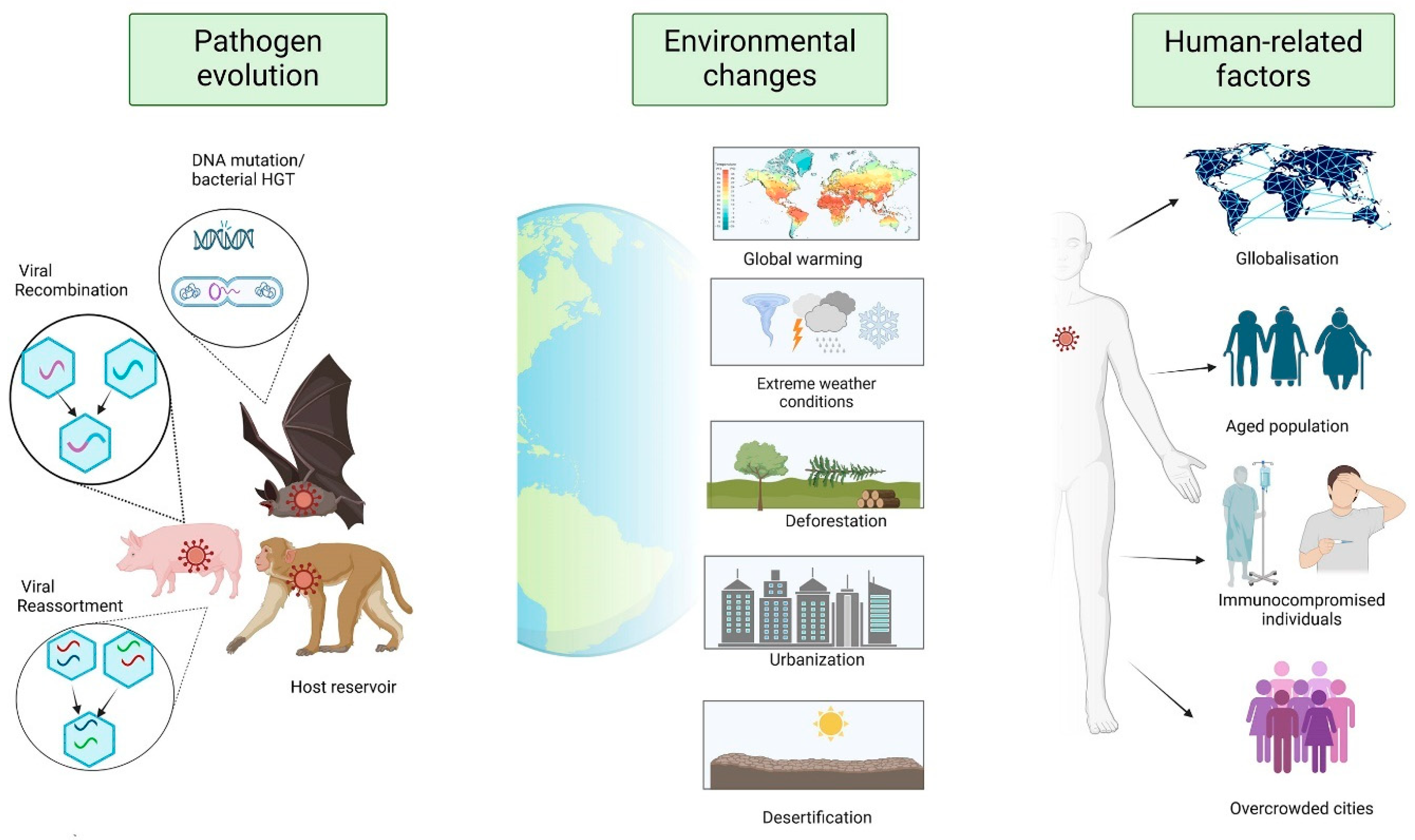
Across these regions, conflict acts as a powerful amplifier of disease. Common factors include:
- Destroyed Healthcare Infrastructure – Bombed hospitals and damaged clinics prevent effective medical care.
- Overcrowding and Poor Sanitation – Temporary shelters and camps accelerate transmission of infectious diseases.
- Disrupted Medical Supply Chains – Essential medicines, vaccines, and equipment are delayed or unavailable.
- Weakened Surveillance and Response – Outbreaks are harder to detect and contain.
- Chronic Illness Management Gaps – Interrupted care leads to preventable deaths.
The combination of these factors creates conditions that allow both endemic and emerging diseases to thrive.
Global Implications
The health crises in Ukraine, Iran, and Israel-Palestine are not confined to these regions. Displaced populations can carry infections across borders, and disrupted medical supply chains can have global ripple effects. Delayed detection of outbreaks increases the risk of regional epidemics, threatening the health of millions far beyond conflict zones.
Urgent Actions Needed
To prevent a full-scale global health disaster, coordinated international action is essential:
- Protect hospitals and healthcare workers under international humanitarian law.
- Restore water, sanitation, and electricity infrastructure to prevent disease outbreaks.
- Ensure timely delivery of medicines, vaccines, and nutritional aid to affected populations.
- Strengthen disease surveillance and outbreak response systems.
- Provide mental health care and chronic disease management for displaced and vulnerable populations.
Without immediate intervention, the humanitarian cost will rise, and the health crises in these war zones could escalate into global epidemics.
In Summary
Conflict is not only a political and military disaster — it is a public health emergency with deadly consequences. In Ukraine, Iran, and Israel-Palestine, destroyed hospitals, crowded shelters, and poor sanitation are fueling disease outbreaks. Chronic illness, malnutrition, and psychological trauma add to the toll. The international community must act quickly to protect infrastructure, restore services, and deliver humanitarian aid to prevent a catastrophe that extends far beyond the battlefield.