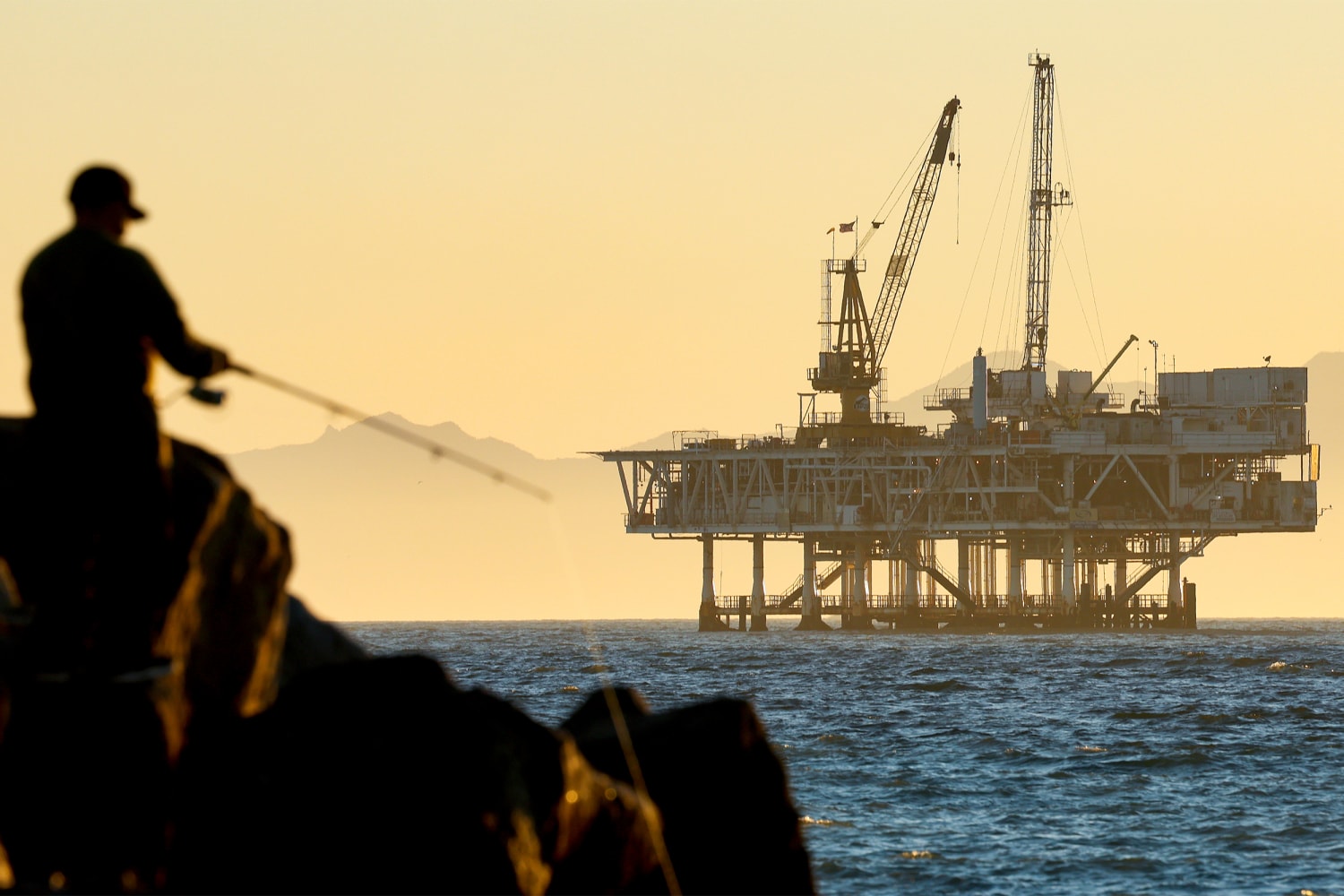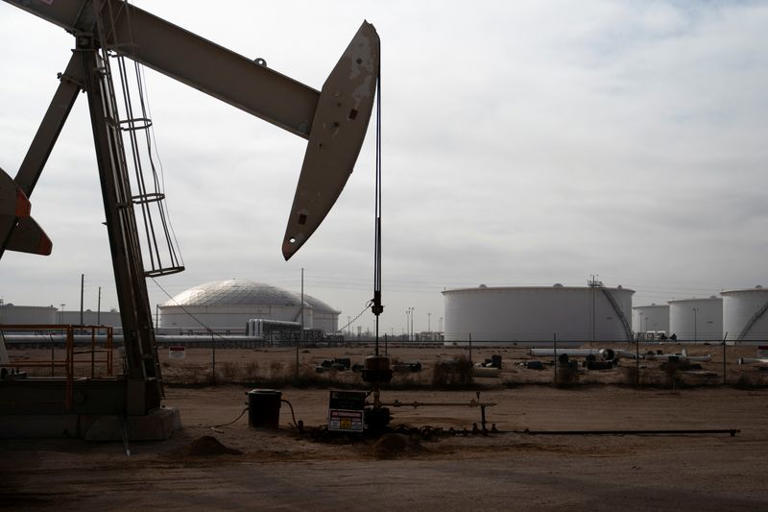
Oil Prices Slip as US-Iran Peace Hopes Ease Supply Concerns- Global oil prices moved lower in early Asian trading on Tuesday, as signs of renewed diplomatic engagement between the United States and Iran helped calm fears of a prolonged disruption in energy supplies. The modest decline comes after a period of sharp volatility, where prices surged on escalating tensions in the Middle East.
Brent crude, the global benchmark, slipped by around 1% to trade just below $100 per barrel, while West Texas Intermediate (WTI) fell more sharply by roughly 1.5%–1.7%, settling in the high-$90 range. The dip follows a recent spike that briefly pushed oil prices above $100, driven by concerns over supply interruptions linked to military developments in the region.
A key factor behind the shift in market sentiment was a statement from U.S. President Donald Trump, who indicated that Iran had reached out to Washington expressing interest in restarting negotiations. His remarks suggested that diplomatic channels, though strained, remain open.
The possibility of renewed talks has provided short-term relief to markets, which had been pricing in the risk of significant supply disruptions. Even without a concrete agreement, the mere prospect of dialogue has reduced immediate panic among traders.
Strait of Hormuz Remains a Critical Flashpoint
Much of the recent volatility has centered around the Strait of Hormuz, a narrow but crucial shipping route that handles a substantial portion of the world’s oil and gas exports. Any disruption in this corridor can have far-reaching consequences for global energy markets.
Tensions escalated after the United States imposed a blockade targeting Iranian ports following unsuccessful negotiations. In response, Iran issued warnings about potential action against vessels attempting to pass through the strait, significantly reducing shipping activity and raising alarm over supply shortages.
With a large share of global energy flows at stake, even limited disruptions have an outsized impact on prices. The earlier surge above $100 per barrel reflected fears that the situation could spiral into a more severe supply crisis.
Diplomatic Signals Offset Immediate Supply Fears
While the geopolitical situation remains tense, reports of ongoing communication between the two sides have helped stabilize market sentiment. Behind-the-scenes discussions and proposals—though not yet successful—indicate that both Washington and Tehran may still be exploring a path toward de-escalation.
However, major differences persist, particularly regarding Iran’s nuclear program and the duration of any potential restrictions. These unresolved issues suggest that a quick resolution is unlikely, even as talks continue.
Despite these challenges, the continuation of diplomatic engagement is seen as a positive development by investors, who are closely watching for any signs of progress that could ease supply concerns further.
Uncertainty Keeps Markets on Edge
Energy experts caution that the current dip in oil prices may be temporary. The situation remains highly fluid, with the potential for rapid changes depending on geopolitical developments, military actions, and shipping conditions in the Gulf region.
U.S. Energy Secretary Chris Wright has warned that oil prices could climb again in the near future if normal shipping through the Strait of Hormuz does not resume. According to his outlook, prices may reach their peak in the coming weeks if disruptions persist.
This underscores the fragile balance in the market, where optimism over diplomacy is offset by ongoing risks on the ground.
Asian Markets Show Signs of Recovery
The easing of oil prices had a positive ripple effect on Asian financial markets, many of which had been under pressure due to rising energy costs. Countries across the region are heavily dependent on oil and gas imports from the Gulf, making them particularly vulnerable to price spikes.
Japan’s Nikkei 225 rose by over 2%, while South Korea’s Kospi gained more than 3%, reflecting improved investor sentiment. Lower oil prices can help ease inflationary pressures and reduce operational costs for industries, offering some relief to these economies.
A Market Driven by Geopolitics
The recent movement in oil prices highlights how deeply global energy markets are influenced by geopolitical events. A single development—whether military or diplomatic—can quickly shift expectations and trigger significant price swings.
For now, cautious optimism has replaced immediate panic, but the broader outlook remains uncertain. The ongoing situation in the Middle East continues to pose risks, particularly if tensions escalate again or negotiations fail to produce meaningful results.
In the coming weeks, markets will closely monitor developments surrounding U.S.-Iran relations and the status of shipping through the Strait of Hormuz. Any progress toward a diplomatic solution could push prices lower, while renewed conflict could just as easily send them climbing again.
Ultimately, the current dip in oil prices reflects hope—but not certainty. The path ahead remains unpredictable, with global energy markets likely to stay sensitive to every new development in this unfolding geopolitical story. Is Rockstar Games Facing a Massive Data Leak After Shocking Hack Claims? | Maya