Hegseth Sounds Alarm Over China’s Expanding Military Power: Fresh off a high-profile military exercise alongside the U.S. Navy in the Indo-Pacific, Defense Secretary Pete Hegseth has delivered one of his strongest warnings yet about China’s growing military capabilities, urging America’s partners in Asia to significantly increase defense spending and prepare for a more competitive security environment.
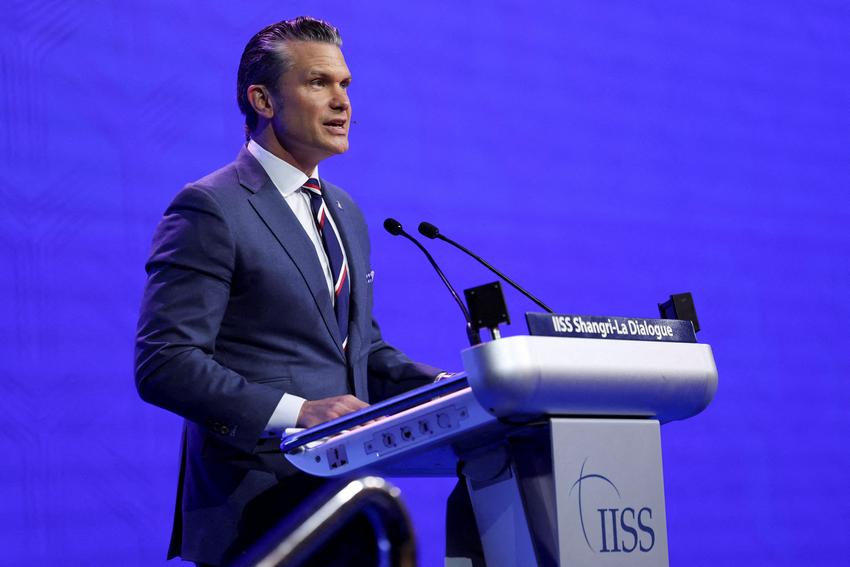
The remarks came during the annual Shangri-La Dialogue in Singapore, one of the world’s most influential gatherings of defense officials, military leaders, and security experts. Hegseth used the platform to emphasize that while Washington seeks stable relations with Beijing, concerns about China’s military expansion remain front and center for U.S. policymakers.
“We are witnessing a historic military buildup,” Hegseth told attendees, pointing to China’s sustained investments in advanced weapons systems, naval forces, cyber warfare capabilities, and long-range missile technology.
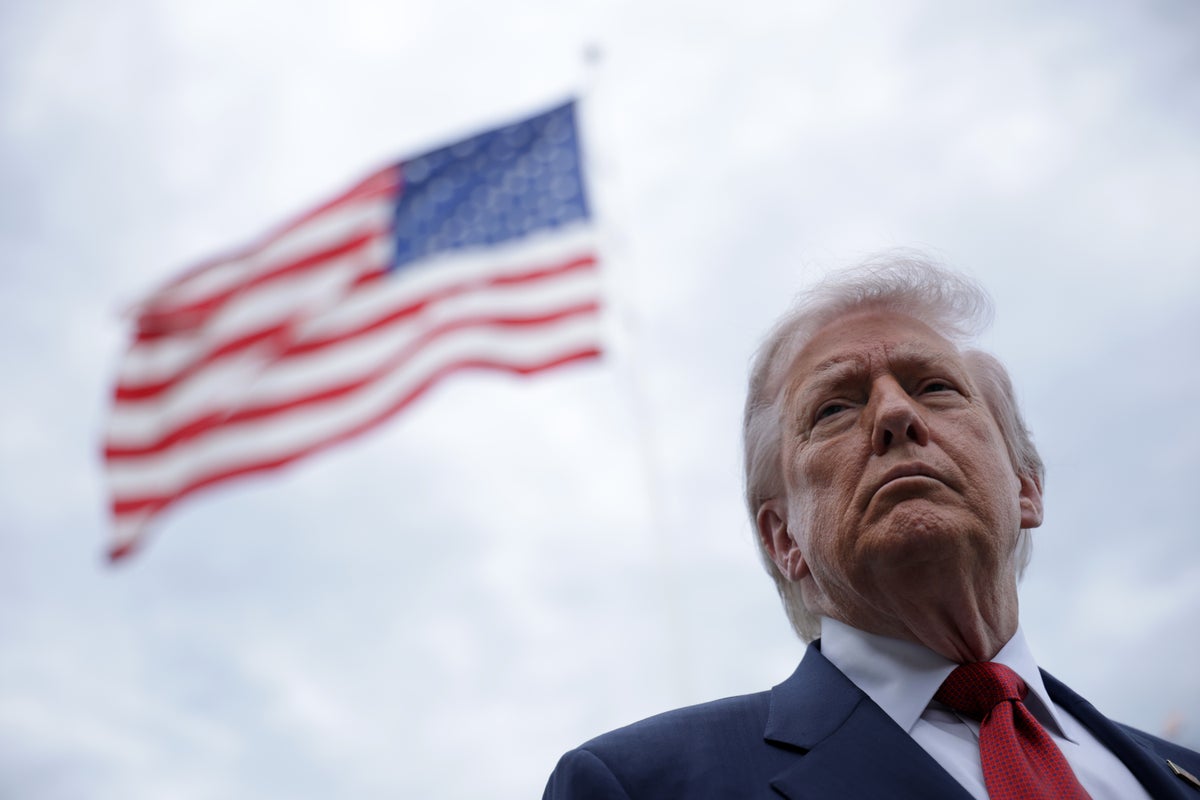
His comments arrive at a particularly noteworthy moment. Earlier this month, President Donald Trump met Chinese President Xi Jinping in Beijing for a summit that both governments described as productive. The meeting raised hopes that tensions between the world’s two largest economies could continue to ease after years of friction over trade, technology, and geopolitical disputes.
Yet Hegseth’s speech underscored a key reality: improved diplomatic engagement does not necessarily eliminate strategic rivalry.
While acknowledging that relations between Washington and Beijing are currently on firmer footing than in recent years, the defense secretary argued that regional governments should not ignore what he described as China’s increasingly sophisticated military posture.
Calls for Greater Defense Spending
A central theme of Hegseth’s address was the need for Asian allies to take on a larger share of regional security responsibilities.
According to the Pentagon chief, maintaining stability in the Indo-Pacific will require stronger military capabilities among nations that share concerns about preserving freedom of navigation, open trade routes, and a balanced regional order.
Several countries in the region have already moved in that direction. Japan has embarked on a significant defense modernization effort, Australia has expanded military cooperation with the United States and the United Kingdom, and the Philippines has strengthened security ties with Washington amid rising tensions in nearby waters.
Hegseth suggested that these efforts should continue and accelerate.
“A Pacific dominated by any single power would fundamentally alter the balance that has supported decades of prosperity and stability,” he said, warning that unchecked military expansion by any regional actor could reshape the security landscape.
China’s Expanding Reach
China’s military modernization has been underway for years, but analysts say the pace and scale of recent developments have drawn increasing attention.
The country has invested heavily in advanced warships, aircraft carriers, hypersonic weapons, satellite systems, artificial intelligence applications, and cyber capabilities. Beijing has also expanded its military presence in strategically important maritime regions, including the South China Sea.
Chinese officials consistently maintain that these investments are defensive in nature and necessary to protect national sovereignty and economic interests. Beijing has repeatedly rejected accusations that it seeks regional dominance, arguing instead that its military growth reflects its status as a major global power.
Nevertheless, many neighboring governments remain cautious.
Security experts note that China’s military budget has grown dramatically over the past two decades, transforming the People’s Liberation Army into one of the most technologically advanced fighting forces in the world. That transformation has prompted countries throughout Asia to reassess their own defense strategies.
Taiwan Absent From the Speech
One of the most striking aspects of Hegseth’s address was what he did not discuss.
Unlike many previous speeches by senior U.S. defense officials, his remarks did not directly reference Taiwan, the self-governing island that Beijing claims as part of its territory.
Taiwan has long been viewed as one of the most sensitive issues in U.S.-China relations, with many analysts identifying it as a potential flashpoint between the two powers.
The omission immediately drew attention among observers attending the summit. Some interpreted it as a deliberate effort to avoid inflaming tensions following the recent Trump-Xi meeting. Others suggested that Washington may be attempting to maintain diplomatic momentum while still signaling broader concerns about China’s military trajectory.
Regardless of the reason, the absence of Taiwan from the speech became a talking point among regional analysts and diplomats gathered in Singapore. Google Caps Heavy Gemini Prompts to Prevent Fast Quota Drain | Maya
Strategic Competition Continues
The broader message from Hegseth was clear: cooperation and competition can coexist.
Even as Washington and Beijing explore areas of economic and diplomatic cooperation, U.S. officials remain focused on maintaining military readiness and strengthening alliances throughout the Indo-Pacific.
That approach reflects a growing consensus among policymakers that strategic competition with China is likely to remain a defining feature of international relations for years to come.
For countries across Asia, the challenge is increasingly complex. China is often their largest trading partner and a critical engine of economic growth. At the same time, concerns about military balance, territorial disputes, and regional security continue to shape defense planning.
Hegseth’s warning at the Shangri-La Dialogue highlights that balancing act. While diplomatic channels between Washington and Beijing may be improving, the debate over military power in the Indo-Pacific is far from settled.
As China’s armed forces continue to modernize and expand, regional governments will face growing pressure to determine how much they are willing to invest in defense, how closely they want to align with the United States, and what kind of security architecture they believe can preserve stability in one of the world’s most important regions.
For now, Washington’s position appears unmistakable: engagement with China remains important, but preparedness remains essential.