How Did Ukraine’s FP-5 Flamingo Missile Reach a Key Russian Defense Plant 1,000 Kilometers Away?
Ukraine has reportedly carried out one of its deepest long-range strikes inside Russian territory, targeting a defense electronics facility that plays a critical role in the production of navigation systems used in some of Moscow’s most important weapons programs.
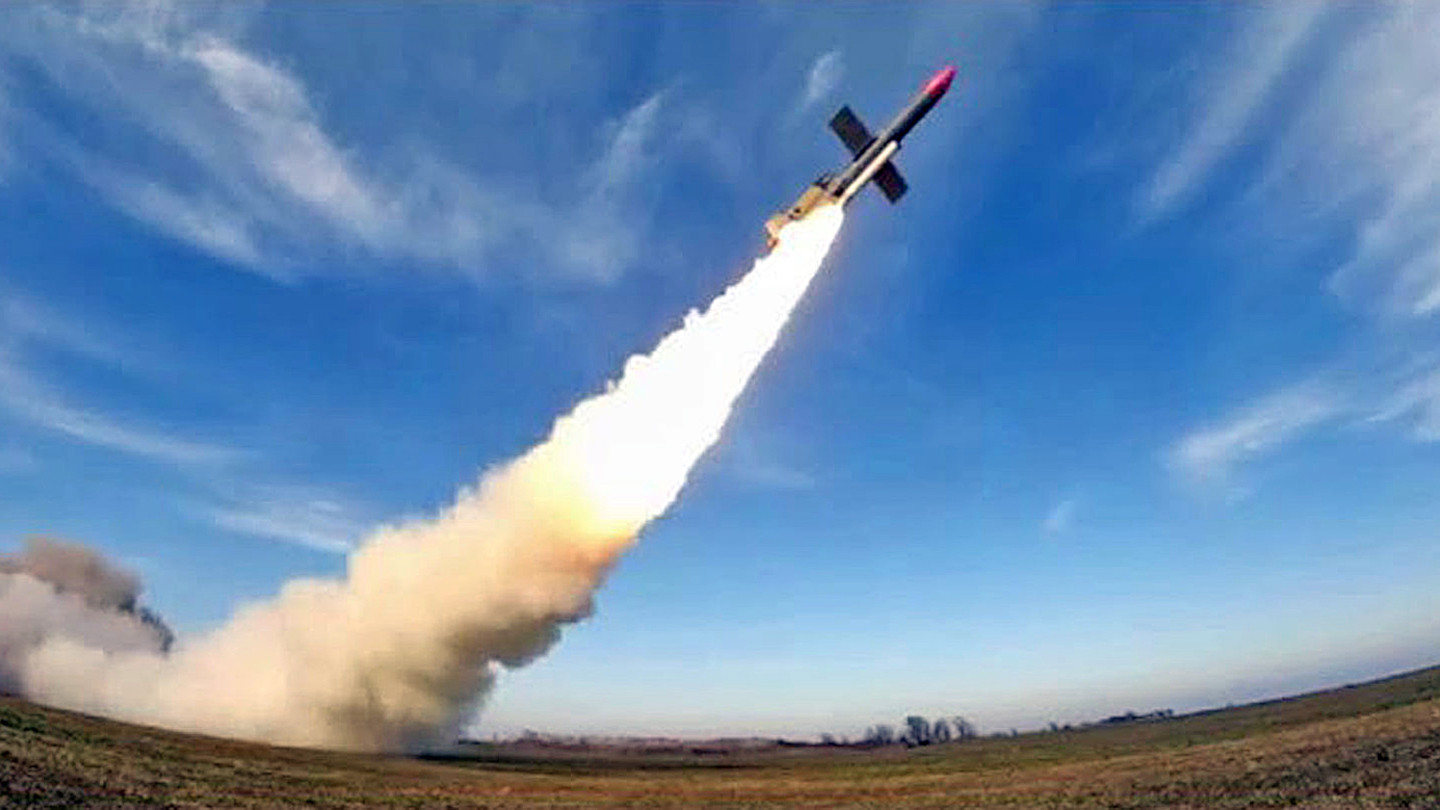
The attack, which took place on June 10, allegedly involved an FP-5 “Flamingo” cruise missile and struck the VNIIR-Progress plant in the city of Cheboksary, the capital of Russia’s Chuvash Republic. Located approximately 1,000 kilometers from the Ukrainian border, the facility sits far beyond the front lines, highlighting Kyiv’s growing ability to conduct precision strikes against strategic targets deep inside Russia.
Missile Seen Flying Low Over Cheboksary
Reports of the strike emerged after videos began circulating on social media showing what appeared to be a low-flying missile crossing the skies above Cheboksary shortly before an explosion was reported near the industrial complex.
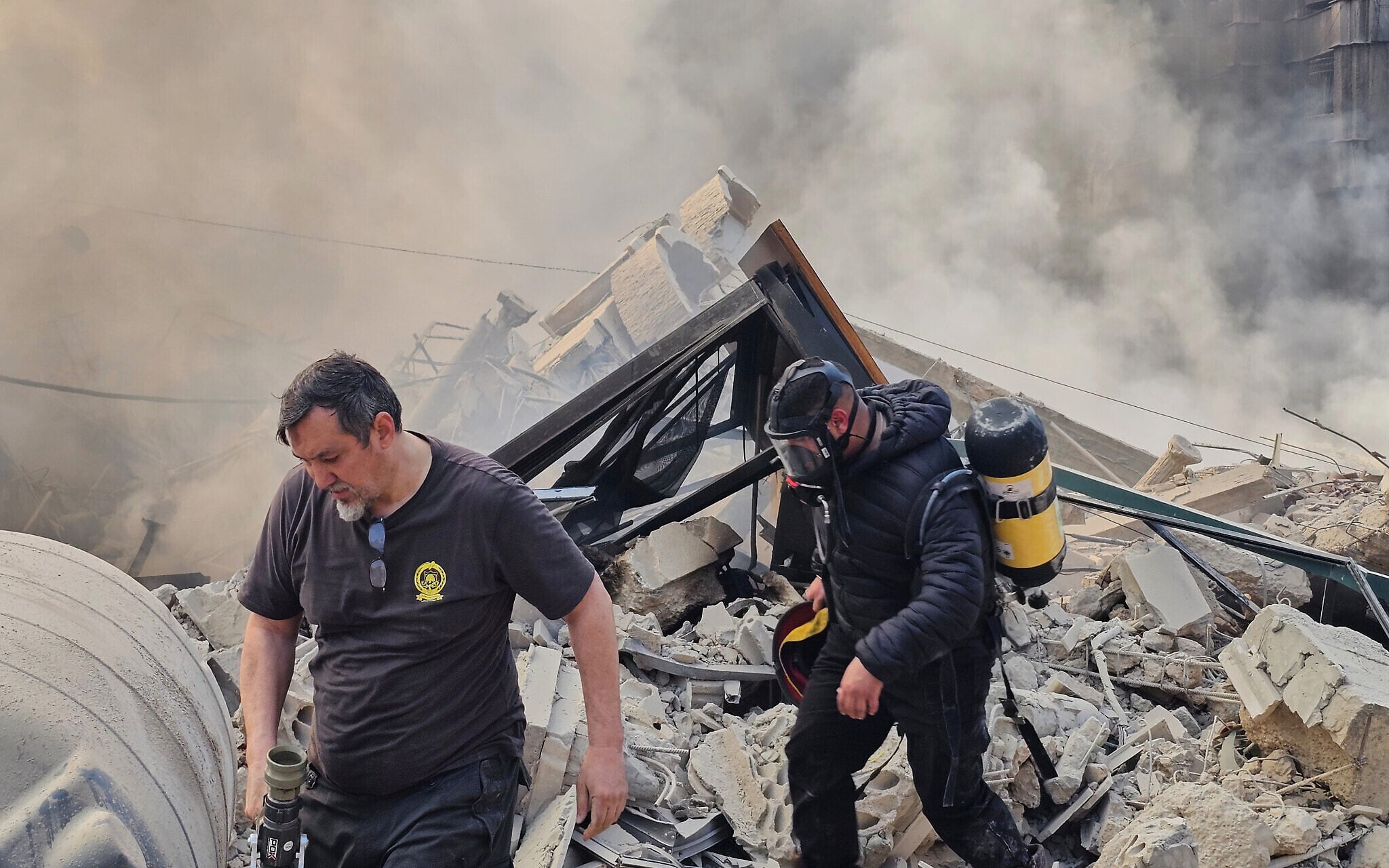
Footage shared online captured residents watching as the object moved across the city at low altitude. Moments later, an explosion was reportedly heard in the area where the VNIIR-Progress facility is located. Additional photographs published after the incident appeared to show damage to one of the plant’s structures along with smoke rising above the site.
While Russian authorities have not publicly released detailed information regarding the extent of the damage, the strike immediately drew attention because of the plant’s importance to Russia’s military-industrial sector.
Why Is VNIIR-Progress Important?
The VNIIR-Progress enterprise specializes in the development and production of advanced navigation and antenna technologies. The facility manufactures satellite navigation receivers and related systems capable of operating with multiple satellite networks, including Russia’s GLONASS system as well as GPS and Galileo signals.
These navigation technologies are considered essential components in modern precision-guided weapons, allowing drones, missiles, and guided bombs to accurately locate and strike targets.
According to information released by Ukraine’s General Staff, the factory is responsible for producing Kometa-series navigation modules. These systems are reportedly integrated into a range of Russian military platforms, including Shahed-type attack drones, Kalibr cruise missiles, Iskander-M ballistic missiles, and UMPK guidance kits used to convert conventional aerial bombs into precision-guided munitions.
Because these navigation modules help improve targeting accuracy and resistance to electronic warfare, the facility is viewed as a significant part of Russia’s defense manufacturing network.
A Growing Campaign Against Russia’s Defense Industry
The reported attack reflects Ukraine’s broader strategy of targeting facilities that support Russia’s military operations rather than focusing solely on frontline positions.
Over the past year, Ukrainian forces have increasingly used long-range drones and missile systems to strike ammunition depots, oil refineries, aircraft bases, radar installations, and defense manufacturing plants located hundreds of kilometers inside Russian territory.
Military analysts say these operations are designed to disrupt production chains, reduce the availability of critical military equipment, and force Russia to devote additional resources to homeland defense.
If the strike caused meaningful damage to production lines at VNIIR-Progress, it could potentially affect the manufacturing or supply of navigation components used in several Russian weapons systems. However, the full impact remains unclear and would likely depend on the extent of the damage sustained by the facility.
The Significance of the FP-5 Flamingo
The reported use of the FP-5 “Flamingo” missile has also attracted attention among defense observers. Although relatively little public information has been released regarding the system, reports suggest it is part of Ukraine’s expanding inventory of domestically developed long-range strike weapons.
The ability to hit a target roughly 1,000 kilometers from Ukrainian territory demonstrates a growing capability to project force deep into Russia’s rear areas. Such range allows Ukrainian planners to threaten facilities that were once considered safely beyond the reach of conventional battlefield weapons.
Low-altitude flight profiles, often associated with cruise missiles, can also make detection and interception more challenging by reducing radar visibility and exploiting gaps in air-defense coverage.
What Happens Next?
The reported strike on the VNIIR-Progress plant comes as both Ukraine and Russia continue efforts to target each other’s critical infrastructure and military-industrial assets.
For Ukraine, attacks on facilities involved in missile, drone, and navigation technology production are intended to weaken Russia’s ability to sustain long-term military operations. For Russia, protecting these strategic industrial sites is becoming an increasingly complex challenge as Ukrainian long-range strike capabilities continue to evolve.
While independent verification of the full extent of the damage remains limited, the incident underscores a broader trend in the conflict: the battlefield is no longer confined to areas near the front lines. Instead, critical military facilities located deep inside both countries are increasingly becoming targets.
The strike on the Cheboksary facility highlights how Ukraine’s long-range capabilities are expanding and raises fresh questions about the vulnerability of Russia’s defense production infrastructure. If confirmed, the operation would represent another example of Kyiv’s efforts to reach strategic targets hundreds of kilometers beyond the battlefield and directly challenge the industrial systems supporting Russia’s military campaign. Trump Iran Warning Today: “Pay the Price” Remark Sparks Market Reaction | Maya