US Retaliates Against Iran Following New Attack on Commercial Shipping- The fragile calm in the Persian Gulf has once again been shattered after the United States launched a new wave of military strikes against Iran in response to another attack on international shipping in the Strait of Hormuz. The latest operation marks a significant escalation in tensions between Washington and Tehran, raising concerns that the region could be heading toward another prolonged period of instability.
According to U.S. military officials, the strikes came hours after a Panama-flagged commercial vessel was struck by what authorities described as an Iranian drone while transiting the strategically vital Strait of Hormuz. Although the vessel remained afloat and its crew was reported safe, the incident added to growing fears over the security of one of the world’s busiest maritime trade routes.
In a statement, U.S. Central Command (CENTCOM) confirmed that American forces targeted multiple Iranian military sites believed to be involved in planning and supporting drone and missile operations. The operation reportedly focused on drone launch facilities, missile storage locations, coastal radar systems, and surveillance infrastructure along Iran’s southern coastline.
U.S. officials argued that the military response was intended to protect freedom of navigation and deter further attacks on civilian shipping. Washington has repeatedly accused Iran of using drones and missiles to threaten commercial vessels operating in the Gulf, claims that Tehran has consistently denied.
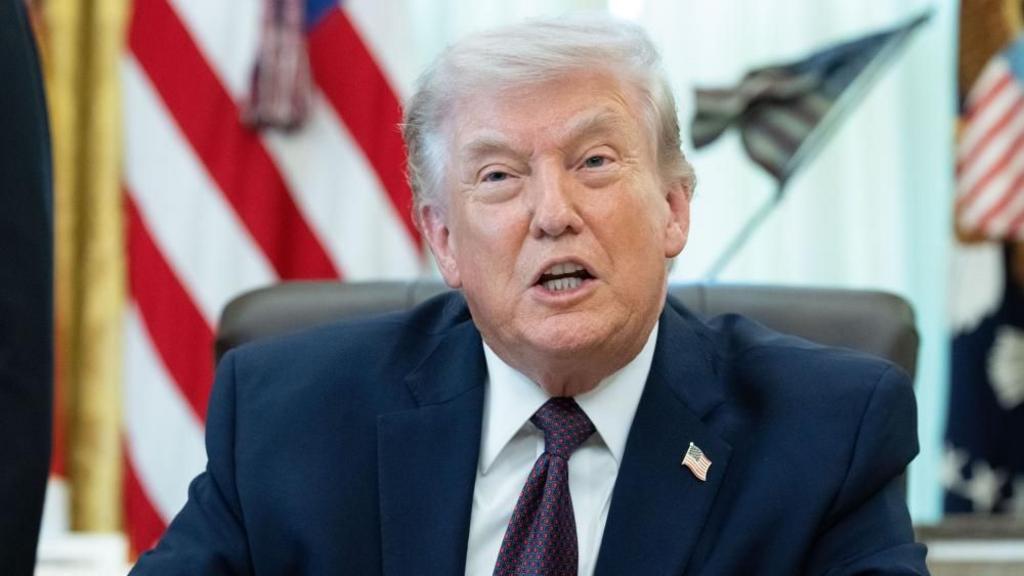
President Donald Trump defended the decision to authorize the strikes, stating that attacks on international shipping would not be tolerated. He emphasized that the United States would continue to respond whenever commercial vessels or global trade routes came under threat. The administration has maintained that ensuring safe passage through the Strait of Hormuz remains a vital national security objective.
The latest confrontation follows another round of U.S. airstrikes carried out just a day earlier after a separate commercial vessel was reportedly targeted in the same region. The back-to-back incidents have fueled speculation that the recently announced ceasefire between Washington and Tehran is rapidly losing credibility despite diplomatic efforts to prevent a wider conflict.
Iran has rejected accusations that it was responsible for the latest maritime attack. Iranian officials have instead accused the United States of escalating tensions through repeated military operations inside Iranian territory. Tehran insists that its military activities are defensive and argues that foreign military deployments in the Gulf have become the primary source of regional instability.
Despite the conflicting narratives, international attention remains focused on the Strait of Hormuz, a narrow waterway that connects the Persian Gulf with the Gulf of Oman. Roughly one-fifth of the world’s seaborne oil exports pass through the strait, making any disruption a matter of global economic concern. Even isolated attacks on commercial vessels can affect shipping insurance costs, tanker traffic, and international energy markets.
Shipping companies are closely monitoring developments as security risks continue to rise. Several maritime security organizations have advised commercial operators to exercise heightened caution while transiting the region. Some shipping firms are reportedly reviewing alternative routes or increasing onboard security measures as uncertainty grows.
The renewed military exchanges have also sparked diplomatic concern across the Middle East and beyond. Several governments have urged both Washington and Tehran to avoid actions that could trigger a broader regional conflict. Analysts warn that continued retaliation by either side could place neighboring countries, energy infrastructure, and international shipping lanes at greater risk.
Defense experts believe the latest U.S. strikes were carefully calibrated to target military infrastructure while limiting the possibility of widespread civilian casualties. Nevertheless, they caution that repeated exchanges increase the likelihood of miscalculation, especially in a region where multiple military forces operate in close proximity.
Financial markets reacted cautiously to the latest developments, with oil prices edging higher as traders weighed the possibility of further disruptions to Gulf exports. Energy analysts note that while oil supplies have not yet been significantly affected, continued instability around the Strait of Hormuz could place upward pressure on global energy prices if attacks persist.
For now, the United States has indicated that it remains prepared to conduct additional military operations should Iran or its affiliated groups launch further attacks on commercial shipping. At the same time, officials insist that Washington remains open to diplomacy if Tehran refrains from threatening maritime security.
As both sides exchange warnings and military actions continue, the situation remains highly volatile. The latest strikes underscore how quickly tensions in the Gulf can escalate despite ongoing diplomatic efforts. With global trade, energy supplies, and regional stability all hanging in the balance, the world will be watching closely to see whether the current confrontation leads to renewed negotiations—or a deeper and more dangerous conflict.