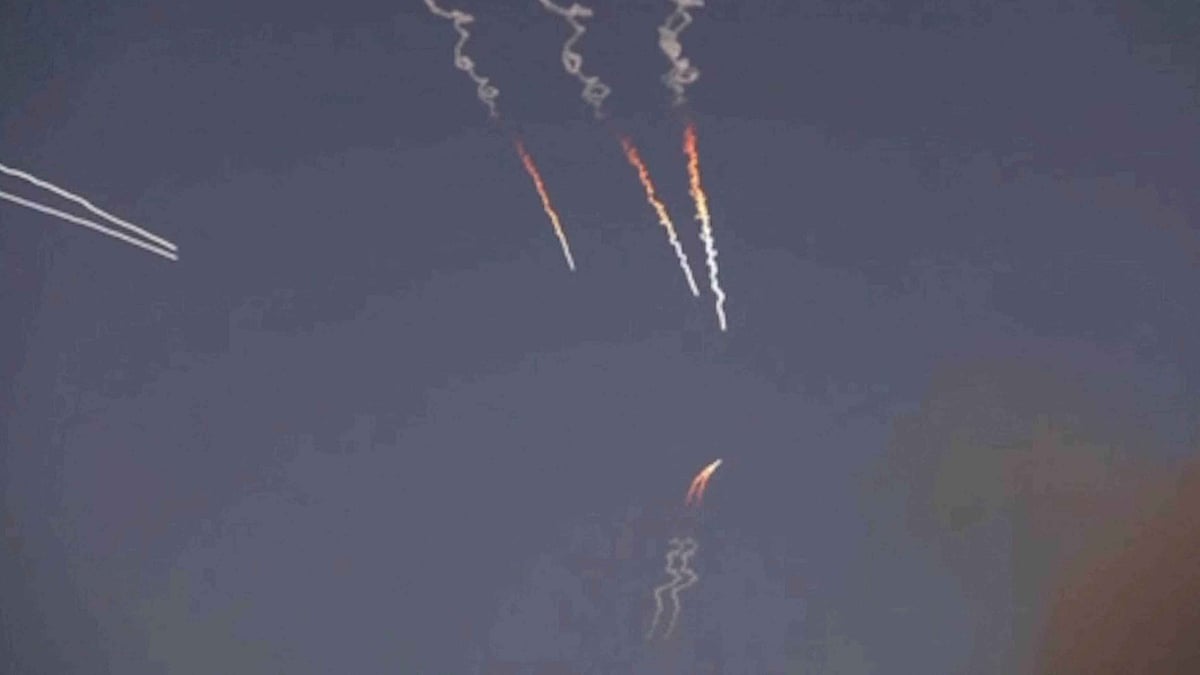
US Hits Iranian Military Sites in Fresh Wave of Airstrikes- The United States has launched a new round of military strikes against Iranian targets, marking another significant escalation in the growing confrontation between Washington and Tehran. The latest operation focused on key elements of Iran’s military infrastructure, including surveillance systems, communication networks, and air defense installations, according to statements released by US military officials.
The strikes were carried out by a combination of US Air Force, Navy, and Marine Corps assets, demonstrating the scale and coordination of the operation. While American officials described the attacks as a necessary response to ongoing security threats, the move has raised concerns about the possibility of a broader regional conflict and further instability across the Middle East.
The latest military action comes at a time when diplomatic efforts between the United States and Iran appear increasingly fragile. Tensions have been building over recent weeks as both sides exchanged accusations regarding security incidents in the Gulf region and alleged violations of previous understandings aimed at preventing direct confrontation.
According to US military authorities, the targeted facilities played an important role in Iran’s ability to monitor military activity, coordinate defensive operations, and maintain situational awareness across strategic regions. By striking these sites, Washington appears to be seeking to reduce Iran’s capacity to track and respond to future military operations.
Officials emphasized that the attacks were directed at military objectives and were designed to limit Iran’s operational capabilities rather than target civilian infrastructure. However, independent assessments of the damage caused by the strikes remain unavailable, and Iranian authorities have yet to provide a detailed account of the impact on the ground.
President Donald Trump has adopted a firm stance toward Tehran, warning that Iran would face consequences if ongoing disputes remain unresolved. His administration has argued that recent actions by Iran and its regional allies have threatened both American personnel and international shipping routes, particularly in strategically important waterways.
The latest strikes are being viewed by analysts as part of a broader strategy aimed at increasing pressure on Iran while maintaining military readiness in the region. Over the past several months, the United States has expanded its military presence in key areas, citing concerns over regional security and the protection of allied interests.
Meanwhile, Iran has strongly criticized the attacks, describing them as violations of its sovereignty and accusing Washington of fueling instability. Iranian officials have repeatedly stated that they reserve the right to respond to any military action directed against the country. Such statements have heightened fears that retaliatory measures could further intensify the crisis.
Regional governments are closely monitoring developments as concerns grow about the potential consequences for Middle Eastern security. Several countries have called for restraint from both sides, warning that continued escalation could have far-reaching effects on trade, energy markets, and regional stability.
The Strait of Hormuz, one of the world’s most important maritime chokepoints for oil transportation, remains a major point of concern. Any disruption to shipping traffic through the area could impact global energy supplies and trigger economic uncertainty far beyond the Middle East.
Security experts note that targeting surveillance and communication systems can have a significant military impact. Such infrastructure serves as the backbone of command-and-control operations, enabling armed forces to gather intelligence, coordinate defensive responses, and communicate effectively during times of conflict.
By focusing on these assets, the United States may be attempting to weaken Iran’s ability to manage military operations without directly targeting larger strategic facilities. Analysts suggest that this approach allows Washington to send a strong message while potentially avoiding some of the risks associated with attacks on more sensitive targets.
Despite the military developments, diplomatic channels have not been completely closed. International mediators continue to encourage dialogue between the two countries, emphasizing that a negotiated solution remains the best path toward reducing tensions and preventing a wider conflict.
However, prospects for immediate progress appear uncertain. Mutual distrust, competing strategic interests, and recent military actions have created significant obstacles to meaningful negotiations. Each new confrontation further complicates efforts to rebuild confidence and return to the bargaining table.
As the situation continues to evolve, global leaders are watching closely for signs of either de-escalation or further military action. Financial markets, energy traders, and security analysts are also assessing the potential implications of the latest strikes and any possible Iranian response.
For now, the latest wave of US airstrikes represents another major chapter in the ongoing standoff between Washington and Tehran. With both sides maintaining firm positions and regional tensions remaining high, the coming days could prove critical in determining whether the crisis moves toward diplomacy or deeper confrontation. Can the U.S.-Iran Standoff Keep Inflation Elevated in 2026? | Maya