
Can the U.S.-Iran Standoff Keep Inflation Elevated in 2026? Americans are once again facing rising costs, and a growing number of economists believe the ongoing confrontation between the United States and Iran may be a major reason why inflation is proving difficult to bring under control.
New inflation data released in June showed consumer prices increased 4.2% in May compared with a year earlier, marking the highest inflation rate recorded since early 2023. The figure also represents the third consecutive monthly acceleration, raising concerns that price pressures may remain entrenched for longer than policymakers had anticipated.
While inflation has multiple drivers, energy costs have emerged as one of the biggest contributors to the latest surge. Since military tensions involving the United States, Israel, and Iran intensified earlier this year, global oil markets have experienced significant volatility, pushing fuel costs higher and creating ripple effects across the broader economy.
Energy Prices Are Driving the Inflation Story
The latest government data highlighted the outsized role of energy in pushing overall prices higher. The energy index rose 3.9% in May after increasing 3.8% in April. Earlier in March, energy costs had jumped an even steeper 10.9%, illustrating how geopolitical instability can quickly filter into everyday expenses.
For consumers, the impact is most visible at gas stations. Although gasoline prices have retreated somewhat from their peak levels earlier in the year, drivers are still paying substantially more than they were before the conflict began. Higher fuel prices not only affect transportation costs but also influence the prices of groceries, manufactured goods, and countless services that rely on transportation networks.
The situation demonstrates how a geopolitical conflict thousands of miles away can influence household budgets across the United States. When energy becomes more expensive, businesses often pass those higher operating costs on to consumers, creating broader inflationary pressure throughout the economy.
Wages Are No Longer Keeping Pace
One of the more troubling aspects of the latest inflation report is that earnings growth is now lagging behind the rise in prices.
Average hourly earnings were growing at an annual rate of 3.4% in the most recent employment report, below the 4.2% inflation rate. Just a few months ago, wage growth was approaching 4%, providing workers with a degree of protection against rising living costs.
Now, however, inflation is outpacing income growth. In practical terms, that means many households are seeing their purchasing power decline despite continued job growth and a relatively stable labor market.
When inflation rises faster than wages, consumers often become more cautious with spending, which can eventually weigh on economic growth. Economists are increasingly monitoring whether this gap between earnings and prices will widen further if energy costs remain elevated during the second half of the year.
Core Inflation Offers a Mixed Signal
Not all of the inflation data pointed to widespread price acceleration.
Core inflation, which excludes the often-volatile food and energy categories, increased 2.9% from a year earlier in May. On a monthly basis, core prices rose only 0.2%, matching economist expectations.
That suggests underlying inflation pressures remain somewhat more contained than the headline figure indicates. However, analysts caution that sustained increases in fuel and transportation costs can eventually spill over into other categories, making it difficult to isolate energy-related inflation from the broader economy.
For the Federal Reserve, the divergence between headline and core inflation creates a challenging policy environment. Officials must decide whether the recent inflation surge is a temporary energy shock or a sign of more persistent price pressures that could require tighter monetary policy.
Oil Markets React to Trump’s Warning
Inflation concerns intensified further on Wednesday after President Donald Trump issued a sharp warning to Iran on social media, stating that Tehran would “pay the price” for failing to negotiate quickly enough with Washington.
The remarks immediately drew attention from energy traders already focused on developments in the Middle East. Oil prices climbed nearly 2% following Trump’s comments as investors assessed the possibility of additional disruptions to global supply chains and shipping routes.
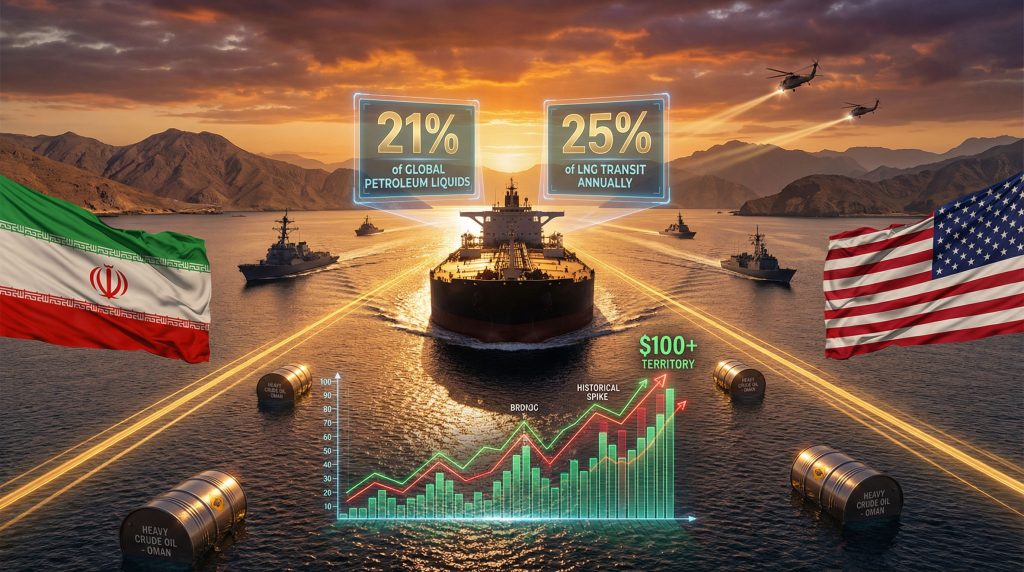
Brent crude and U.S. benchmark oil both moved higher as markets priced in a greater geopolitical risk premium. Traders remain especially focused on the Strait of Hormuz, one of the world’s most important energy transit corridors. Any threat to traffic through the region has the potential to send oil prices sharply higher.
Higher oil prices would likely complicate efforts to reduce inflation and could extend the pressure facing households and businesses alike.
OpenAI’s Infrastructure Ambitions Grow with Proposed 10-GW Ohio Facility | Maya
What Comes Next?
The central question facing economists is whether the recent inflation surge represents a temporary consequence of geopolitical turmoil or the beginning of a more prolonged period of elevated prices.
If tensions between the United States and Iran continue, energy markets may remain volatile, increasing the risk that inflation stays above policymakers’ comfort levels throughout 2026. Conversely, any signs of diplomatic progress could help stabilize oil prices and ease some of the pressure currently feeding into consumer costs.
For now, the latest data suggest that the U.S.-Iran standoff is having a measurable economic impact. With inflation running above wage growth, energy prices remaining elevated, and financial markets reacting to every new development, Americans may continue to feel the effects of the conflict long after the headlines fade.
Whether inflation remains above 4% in the months ahead will depend largely on what happens next in the Middle East—and whether policymakers can prevent geopolitical tensions from becoming a long-term economic burden.

