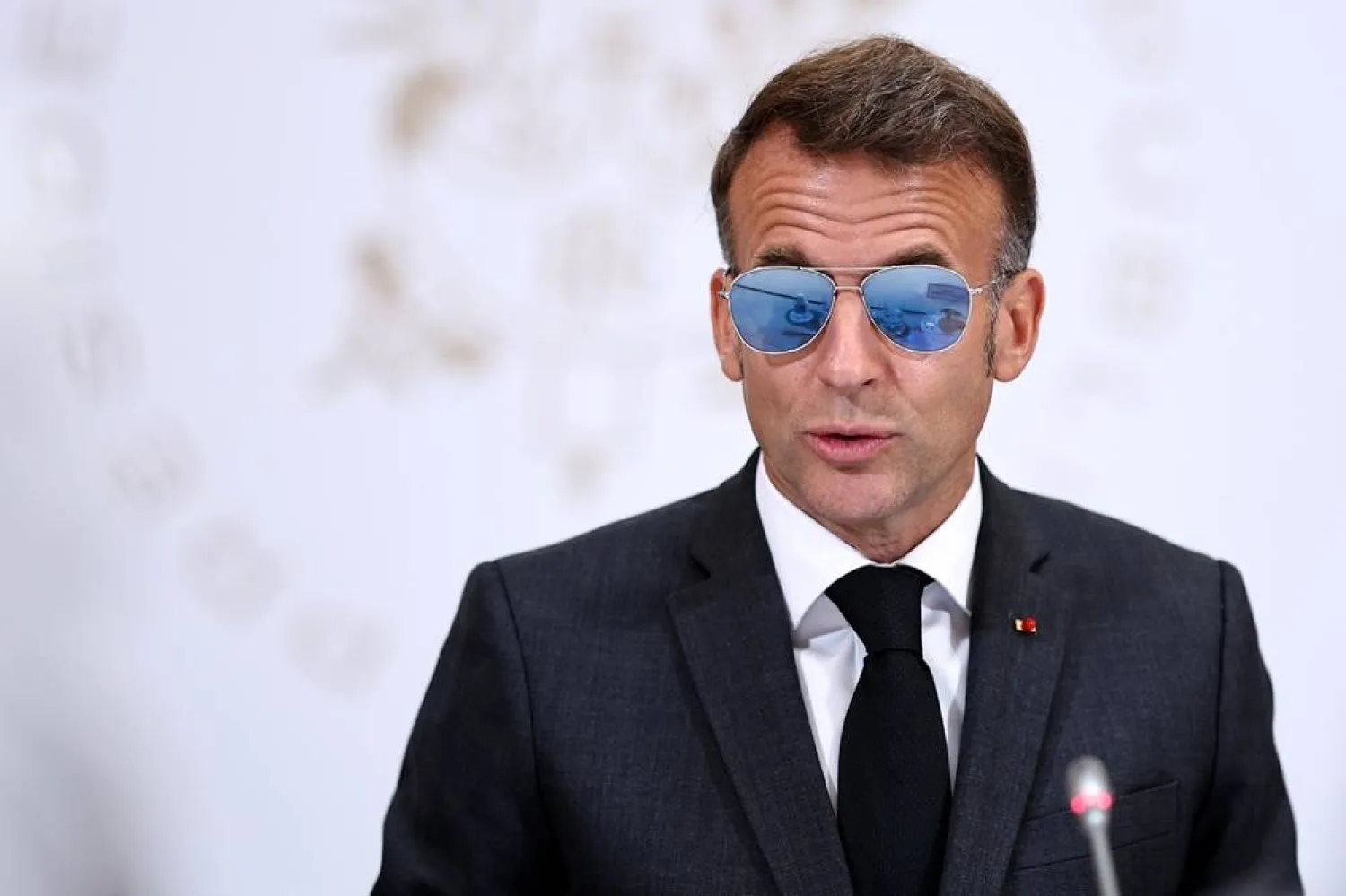
Bomb Blasts Near Macron’s Hotel During Landmark Syria Visit: French President Emmanuel Macron’s historic visit to Syria was overshadowed by a security scare on Tuesday after explosions occurred near the hotel where he was staying, according to a security source. The incident highlighted the fragile security environment facing Syria as the country attempts to rebuild its political landscape after years of conflict and upheaval.
The Élysée Palace said Macron was not aware of the blasts and did not hear the explosions. The French president continued with his schedule and later met Syrian President Ahmed al-Sharaa, signaling that the incident did not disrupt the diplomatic agenda of his visit.
Macron’s trip marks a significant moment in European engagement with Syria, as he became the first head of state from a European Union country to visit the country since rebel forces led by al-Sharaa removed Bashar al-Assad’s government in 2024.
A Historic Visit Amid Syria’s Uncertain Transition
Macron’s arrival carries symbolic importance as Syria enters a new and uncertain political phase. The fall of Assad’s government reshaped the regional balance of power, creating both opportunities and challenges for international diplomacy.
European nations have approached Syria’s transition cautiously, seeking stability while also pressing the country’s new leadership on issues including governance, security, human rights, and the protection of minority communities.
The French president’s visit represents an attempt by Europe to engage with Syria’s new authorities while assessing whether the country can move toward political stability after years of war.
For France, Syria has long been a key issue in Middle Eastern diplomacy. Paris has been involved in efforts related to counterterrorism, humanitarian assistance, and regional security. Macron’s visit suggests that France wants to maintain influence in shaping Syria’s future while coordinating with broader European interests.
Security Challenges Remain a Major Concern
The explosions near Macron’s hotel serve as a reminder that Syria’s security situation remains unpredictable. Although the French president was not affected and no disruption to his meetings was reported, the incident exposed the risks facing foreign officials visiting the country.
Years of conflict have left Syria with complex security challenges, including armed groups, political rivalries, economic instability, and weakened state institutions. Even after the collapse of Assad’s rule, establishing nationwide security remains one of the biggest tests for the country’s new leadership.
A stable Syria will depend not only on political agreements but also on the ability of authorities to control armed factions, protect civilians, and prevent extremist groups from exploiting instability.
The security concerns also matter for foreign governments considering deeper engagement with Syria. Diplomatic recognition, economic cooperation, and reconstruction efforts are closely tied to confidence that the country can provide a secure environment.
Regional Powers Watch Syria’s Next Move
Syria’s political transition is being closely monitored by regional and global powers. The country’s strategic location, bordering several key Middle Eastern states, makes its stability a major concern for neighboring governments.
Countries including Turkey, Iran, Gulf states, and Western nations have competing interests in Syria’s future. Some are focused on security concerns, while others see opportunities for economic engagement and reconstruction.
The direction taken by Syria’s new leadership could reshape alliances across the Middle East and influence issues ranging from refugee movements to regional security cooperation.
For Europe, Syria’s stability has direct consequences. Millions of Syrians were displaced during the civil war, creating one of the largest refugee crises in modern history. European governments have repeatedly emphasized that long-term stability in Syria is necessary for addressing humanitarian challenges and migration pressures. Nvidia Dismisses Kyber Delay Rumors as It Presses Ahead With Next-Generation AI Infrastructure | Maya
Diplomacy Continues Despite the Risks
Despite the explosions near his hotel, Macron continued his diplomatic program, emphasizing the importance of engagement during a period of transition.
The meeting with Ahmed al-Sharaa was closely watched because it reflected a new chapter in relations between Western countries and Syria’s post-Assad leadership. The challenge for France and its allies will be balancing diplomatic engagement with concerns over Syria’s governance and security record.
Macron’s visit demonstrates the difficult balance facing international powers: supporting Syria’s transition while remaining cautious about the risks associated with a country emerging from prolonged conflict.
The incident near the hotel did not derail the visit, but it reinforced a central reality of Syria’s new era—the political future may be changing, but the security challenges created by years of war remain deeply entrenched.
As Syria seeks international acceptance and economic recovery, its ability to deliver stability will likely determine how quickly foreign governments deepen their engagement. Macron’s visit may be remembered not only as a diplomatic milestone but also as a reminder of the difficult road ahead for a nation attempting to rebuild.