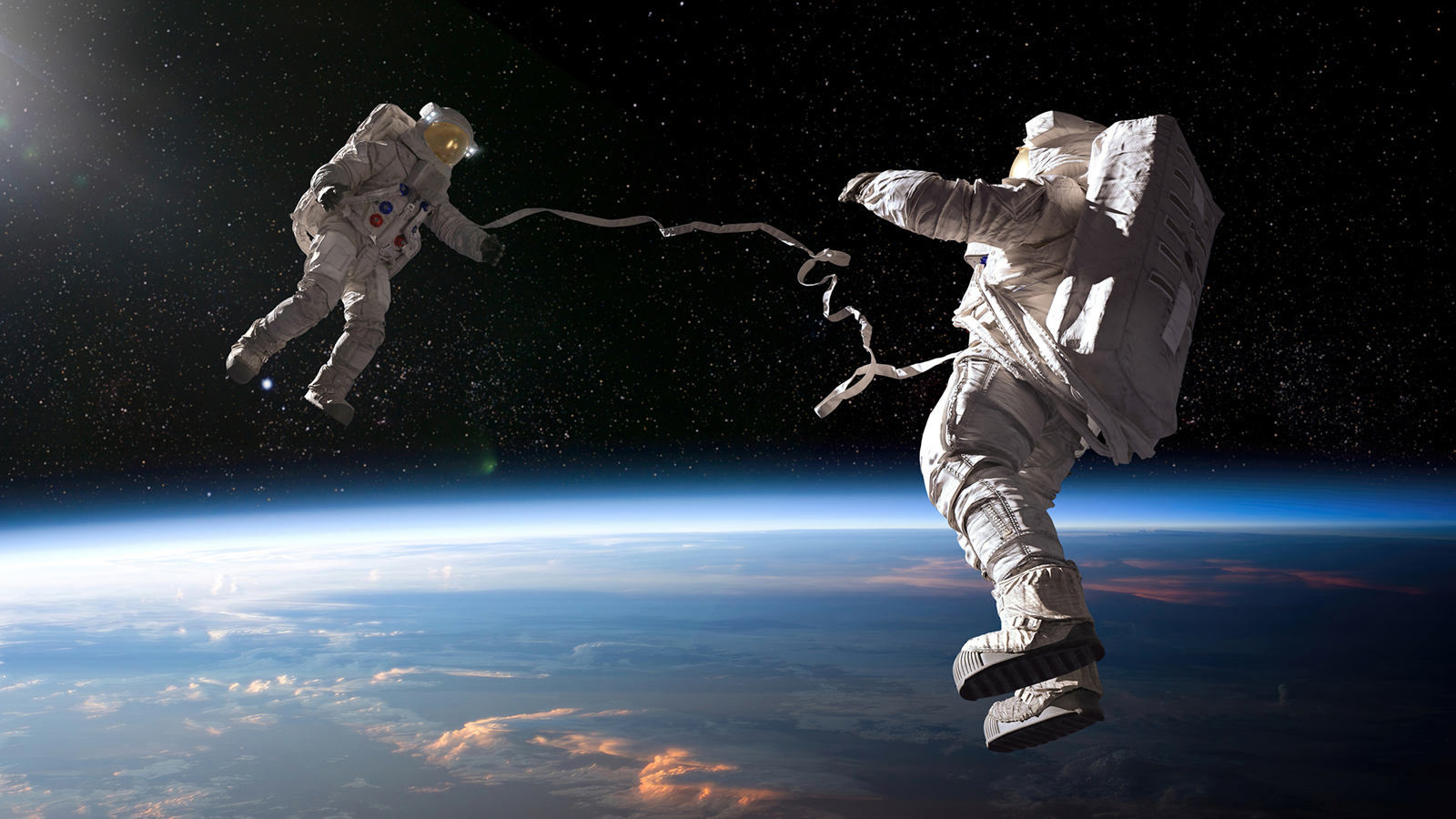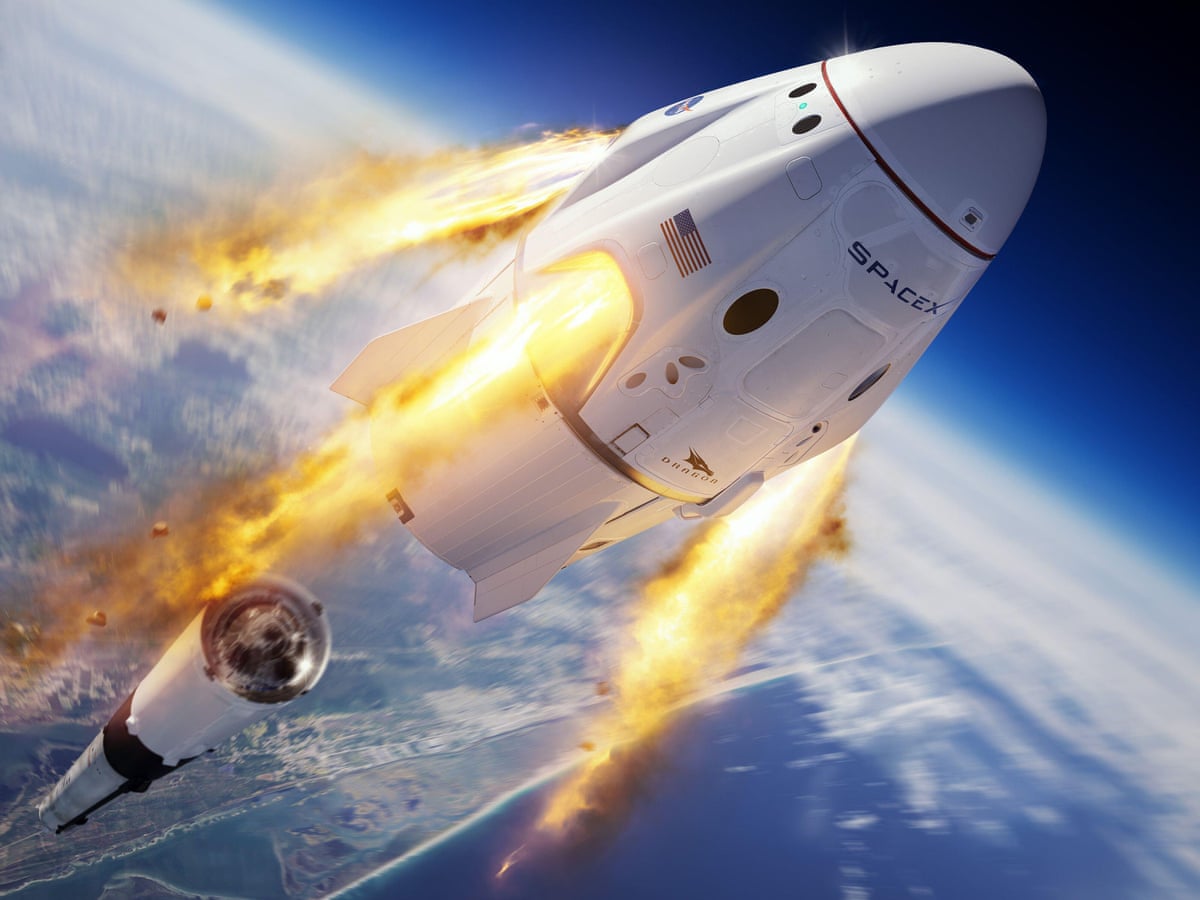
Can fuel shortages happen in space missions mid-orbit? A spacecraft is gliding silently above Earth at 28,000 km/h, systems running normally, everything stable—until a simple resource starts running lower than expected. In space, even something as basic as fuel does not have a refill option, and that is where things can become critical very quickly.
Yes, fuel shortages can happen during space missions mid-orbit, and when they do, they are treated as serious operational emergencies. However, the situation is more nuanced than “running out of fuel” in the way we imagine on Earth. In space, fuel is not just for movement—it is also tied to stability, orientation, communication, and even survival systems.
Why fuel matters so much in orbit
In space, fuel is used mainly for two categories of operations:
1. Orbital control
Spacecraft need fuel to:
- Adjust their orbit
- Avoid collisions with space debris
- Correct drifting paths caused by gravity variations or atmospheric drag (in low orbits)
2. Attitude control (orientation)
Even if a spacecraft is not moving positionally, it must constantly control its orientation to:
- Keep solar panels facing the Sun
- Point antennas toward Earth
- Aim instruments at targets
This is often done using small thrusters or reaction systems supported by fuel or propellant.
A well-known example is the International Space Station, which regularly performs small orbital adjustments to avoid debris and maintain altitude because even thin atmospheric drag slowly pulls it downward.
Can fuel actually run low mid-mission?
Yes, and it happens in several ways:
1. Underestimated consumption
Before launch, engineers estimate fuel needs carefully. But space is unpredictable:
- More collision avoidance maneuvers may be required than expected
- Orbital corrections may need extra adjustments
- Equipment may require more stabilization burns
Over time, these small changes add up.
2. Unexpected orbital events
Space is not empty. It contains:
- Space debris
- Micrometeoroids
- Solar radiation effects that expand Earth’s atmosphere slightly
If a spacecraft must dodge debris frequently, it consumes extra fuel.
3. System inefficiencies or leaks
Sometimes fuel is lost due to:
- Minor leaks in propulsion systems
- Valve inefficiencies
- Thruster misfires requiring corrective burns
Even small inefficiencies matter over long missions.
What happens when fuel starts running low?
Space agencies monitor fuel levels constantly. If a shortage is detected, several strategies are used.
1. Switching to “fuel-saving mode”
Spacecraft reduce non-essential operations:
- Fewer orbit adjustments
- Reduced attitude corrections
- Slower or optimized maneuvers
Everything is tuned to conserve remaining propellant.
2. Using alternative systems
Some spacecraft use non-fuel-based methods for orientation:
- Reaction wheels (spinning devices that control orientation without fuel)
- Gravity gradients (natural stabilizing forces in orbit)
- Solar pressure balancing
These methods cannot fully replace fuel but can extend mission life.
3. Mission replanning
Controllers on Earth may:
- Change mission priorities
- Delay maneuvers
- Alter orbit paths to reduce fuel use
Every decision becomes a trade-off between mission goals and available resources.
What if fuel runs critically low?
If fuel becomes extremely limited, spacecraft may enter a “safe mode”:
- Non-essential systems shut down
- Orientation is stabilized in a passive way
- Communication is minimized but maintained
At this stage, the mission is focused on survival rather than operation.
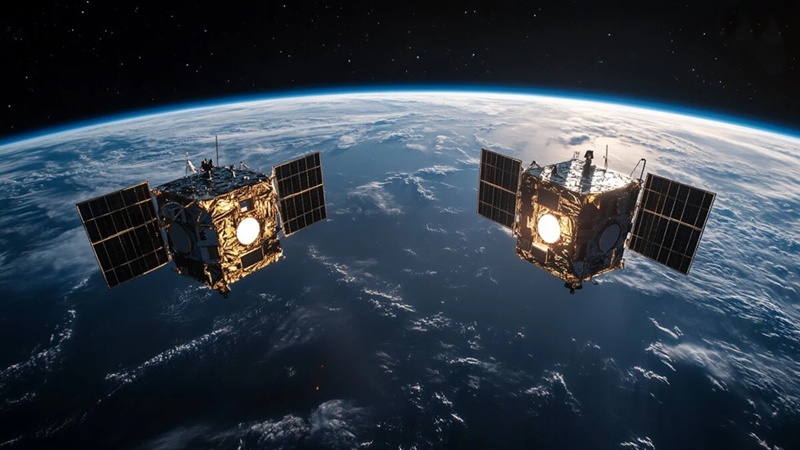
For example, satellites in Earth orbit often face end-of-life scenarios where they can no longer adjust their orbit. Without fuel, they slowly drift and eventually re-enter the atmosphere or move into “graveyard orbits” depending on their design.
Why space missions cannot simply “refuel”
Unlike ships or airplanes, spacecraft cannot refuel easily because:
- There is no fuel infrastructure in orbit (yet)
- Docking for refueling is complex and risky
- Propellant types vary between missions
- Precision alignment is required for transfer
There are experimental refueling technologies being developed, but they are not yet widespread or routine.
Why fuel is even more critical in deep space
In low Earth orbit, some atmospheric drag exists, but in deep space:
- There is no external force to help adjust motion
- Every trajectory change requires fuel
- Errors are harder to correct over time
So a small miscalculation early in a mission can have long-term consequences.
The role of planning and redundancy
To avoid fuel shortages, mission designers:
- Add fuel margins beyond expected needs
- Build redundancy into propulsion systems
- Simulate countless orbital scenarios before launch
- Monitor consumption continuously during missions
Despite this, unpredictability in space means perfect planning is impossible.
A simple way to understand it
Imagine driving a car where:
- There are no gas stations
- Every turn, brake, and correction uses fuel
- You cannot coast freely because even staying stable requires energy
You would constantly think about conserving fuel, planning movements carefully, and avoiding unnecessary changes. That is similar to how spacecraft operate in orbit.
Conclusion section
Yes, fuel shortages can happen during space missions mid-orbit, and when they do, they can significantly limit what a spacecraft is able to do. Fuel is not just for propulsion—it is essential for stability, communication alignment, and safety.
Space agencies prepare for this by careful planning, efficient system design, and continuous monitoring, but space is unpredictable enough that shortages remain a real operational risk.
In simple terms, spacecraft do not just run out of “movement power”—they run out of control. And in space, losing control is one of the most serious challenges a mission can face.
Artificial Gravity Stations: The Next Leap in Orbital Living | Maya