Could Putin Really Use Nuclear Weapons? What His Latest Warning Means
A new warning from Vladimir Putin has put nuclear weapons back at the centre of the Russia-NATO confrontation. But what exactly did the Russian president say, and does his warning mean a nuclear attack is actually imminent?
The latest escalation has focused attention on Kaliningrad, Russia’s heavily militarised Baltic exclave situated between NATO members Poland and Lithuania.
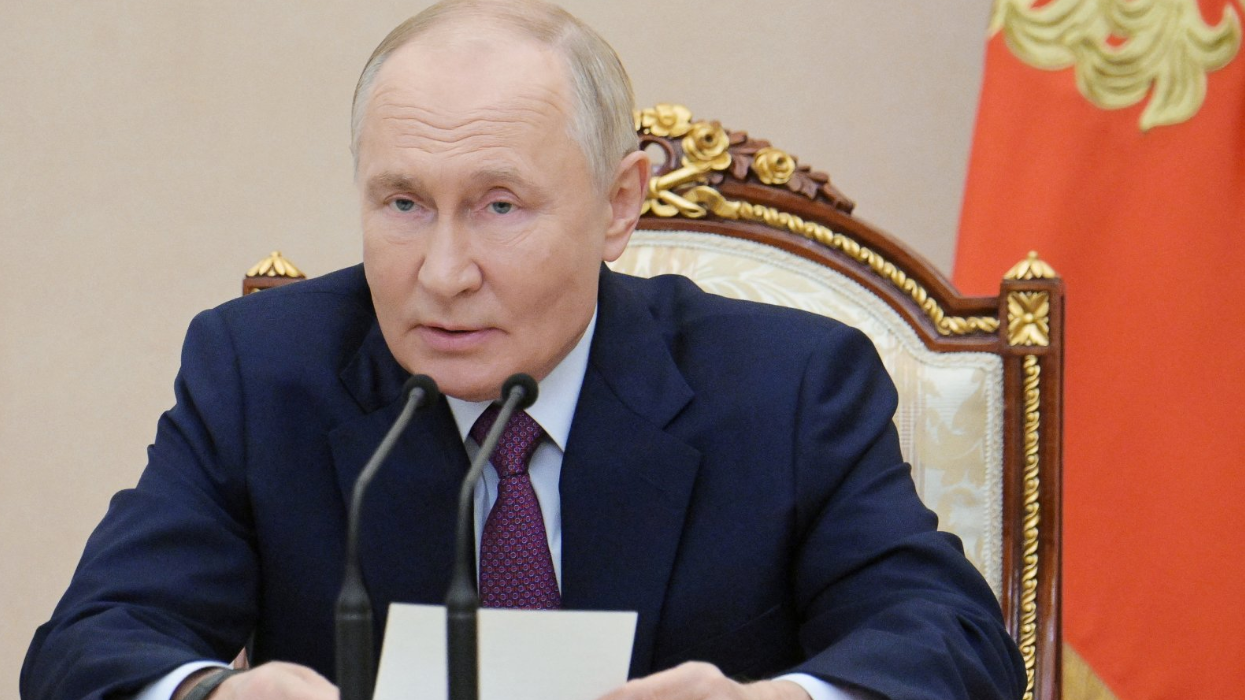
Russia has warned NATO that any attempt to isolate Kaliningrad from the rest of the country could trigger a military response involving its entire arsenal, including nuclear weapons. Putin subsequently reinforced that message during an appearance at the Valdai Discussion Club in Moscow on October 1.
His comments have attracted international attention because Kaliningrad is surrounded by NATO territory and contains important Russian military infrastructure.
But Putin’s warning needs to be understood in context.
What exactly did Putin say?
Putin said Russia had no intention of attacking European countries, but argued that Moscow would respond if Russia itself came under direct attack.
He specifically referred to Kaliningrad and said that, in such a scenario, the question of deploying all weapons available to Russia would immediately arise.
That language is significant because Russia possesses one of the world’s largest nuclear arsenals.
However, Putin did not announce that Russia was preparing to launch a nuclear strike. His statement was framed as a warning about what Moscow says it would do if Russian territory were attacked.
That distinction matters.
A nuclear threat or deterrence statement is not the same thing as an order to use nuclear weapons.
Why is Kaliningrad so important?
Kaliningrad is geographically unusual.
The territory belongs to Russia but is separated from mainland Russia. It sits on the Baltic Sea between Poland and Lithuania, both members of NATO.
The region is also heavily militarised and hosts significant Russian military capabilities, making it strategically important to Moscow.
Russia’s concern is that a conflict involving NATO could potentially restrict the territory’s access to the rest of Russia.
Moscow has accused NATO of preparing an air and naval blockade around Kaliningrad.
NATO, however, has rejected the claim.
What does NATO say?
NATO has pushed back against Moscow’s warning.
The alliance has said it does not target Kaliningrad and has described Russia’s nuclear rhetoric as irresponsible. NATO maintains that its military activities and exercises in the region are defensive.
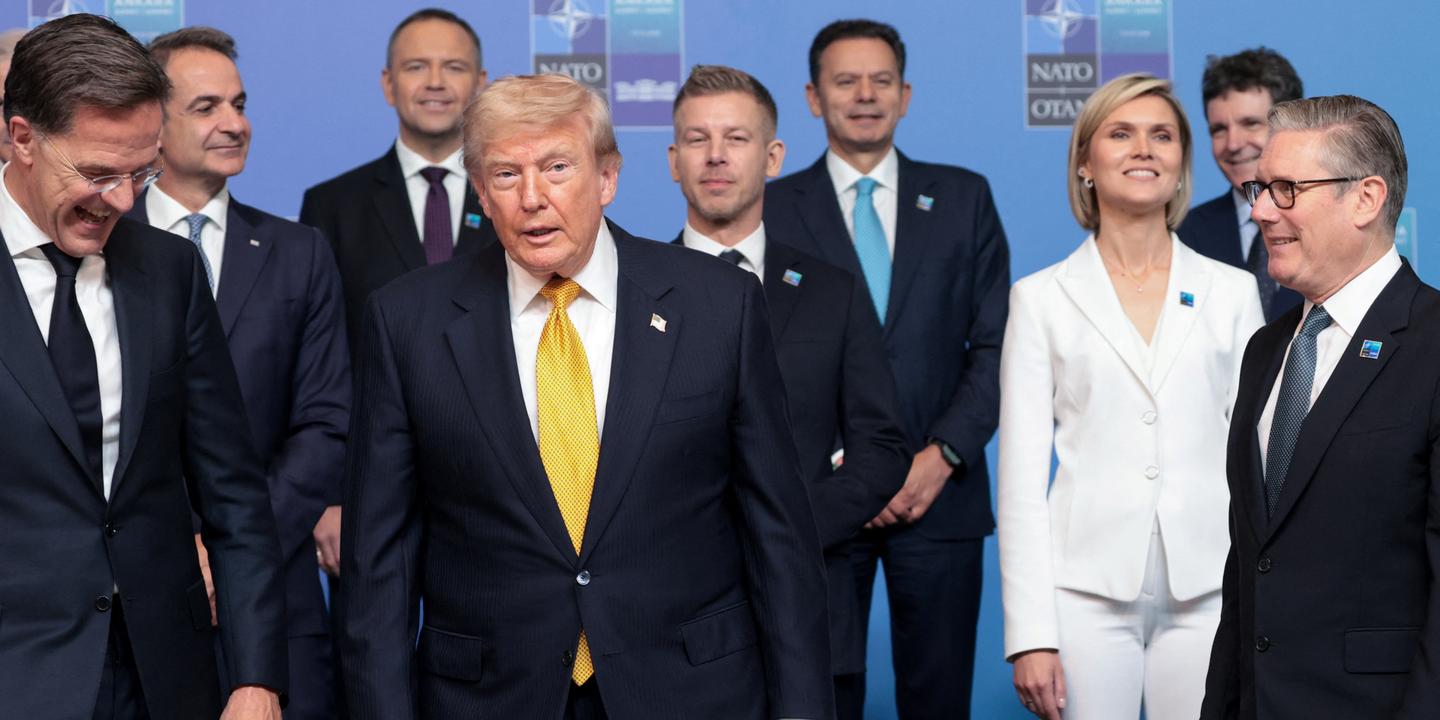
NATO Secretary-General Mark Rutte has also said there is no immediate indication of an attack on NATO territory by Russia.
The alliance continues to support Ukraine while strengthening its defensive capabilities along its eastern flank.
Russia and NATO therefore offer sharply different interpretations of the military situation around the Baltic.
Moscow describes certain NATO activities as threatening.
NATO says its activities are intended to deter aggression and protect member states.
Does this mean nuclear war is close?
There is currently no public indication that Russia has decided to launch a nuclear attack against NATO.
Putin’s latest statement is better understood as part of Russia’s nuclear deterrence strategy and its broader effort to warn Western governments about what Moscow considers unacceptable military escalation.
That does not make the language insignificant.
Repeated references to nuclear weapons can increase the risk of miscalculation, particularly when military forces from opposing sides are operating in close proximity.
The danger is not necessarily that either side wants a nuclear war. The concern is that an incident, misunderstanding or rapid escalation could produce a situation in which leaders feel compelled to respond more aggressively.
The warning comes as the Ukraine war continues
Putin’s comments came as fighting between Russia and Ukraine remained intense.
Russia has continued launching attacks against Ukrainian targets, while Ukraine has maintained its own campaign against Russian military and energy infrastructure.
On October 3, Russian strikes damaged infrastructure in Kyiv and disrupted traffic in parts of the Ukrainian capital. Other Russian attacks across Ukraine were also reported to have caused casualties.
Ukraine has continued carrying out long-range strikes against targets inside Russia, including energy infrastructure.
The continuing exchange of attacks has added another layer of tension to Putin’s warnings about escalation.
Russia says the West is escalating
Putin has accused Western governments of increasing tensions by conducting military exercises in the Baltic and discussing the possibility of a future confrontation with Russia.
At the Valdai forum, he argued that Russia was responding to what Moscow sees as an increasingly hostile military environment.
Putin has also rejected suggestions that Russia is preparing an attack on Europe and said Moscow does not intend to launch a war against European countries.
Western governments, meanwhile, continue to express concern about Russian military activity, cyber operations and other forms of pressure against European countries.
Why the nuclear language matters
Russia’s nuclear arsenal is ultimately what gives Putin’s warning its extraordinary weight.
The United States and Russia possess the overwhelming majority of the world’s nuclear weapons. Any direct military conflict between Russia and NATO would therefore carry risks far beyond the battlefield in Ukraine.
But there is an important difference between possessing nuclear weapons, threatening their possible use and actually deciding to use them.
Putin’s latest statement falls into the second category.
It is a warning about the consequences Moscow says would follow an attack on Russian territory. How does ozone act differently in the Ozone Layer and at ground level? | Maya
So, could Putin really use nuclear weapons?
Yes, Russia possesses nuclear weapons and its leadership retains the ability to order their use. But Putin’s latest remarks do not mean that a nuclear strike is imminent.
The immediate issue is the confrontation surrounding Kaliningrad and the wider military standoff between Russia and NATO.
Moscow says it will defend its territory with every weapon available if necessary.
NATO says it is not attempting to attack or isolate Kaliningrad and has rejected Russia’s nuclear rhetoric.
Meanwhile, the war in Ukraine continues, with both sides carrying out increasingly long-range attacks.
That leaves Europe facing a difficult balance: maintaining military deterrence while avoiding actions or misunderstandings that could turn the Russia-Ukraine conflict into a direct confrontation between Russia and NATO.
For now, Putin’s nuclear warning is a threat of potential escalation, not evidence that nuclear war has begun or that a nuclear strike is about to happen.
But the fact that nuclear weapons are once again being openly discussed in connection with a possible Russia-NATO confrontation is itself a reminder of how dangerous the current security environment has become.