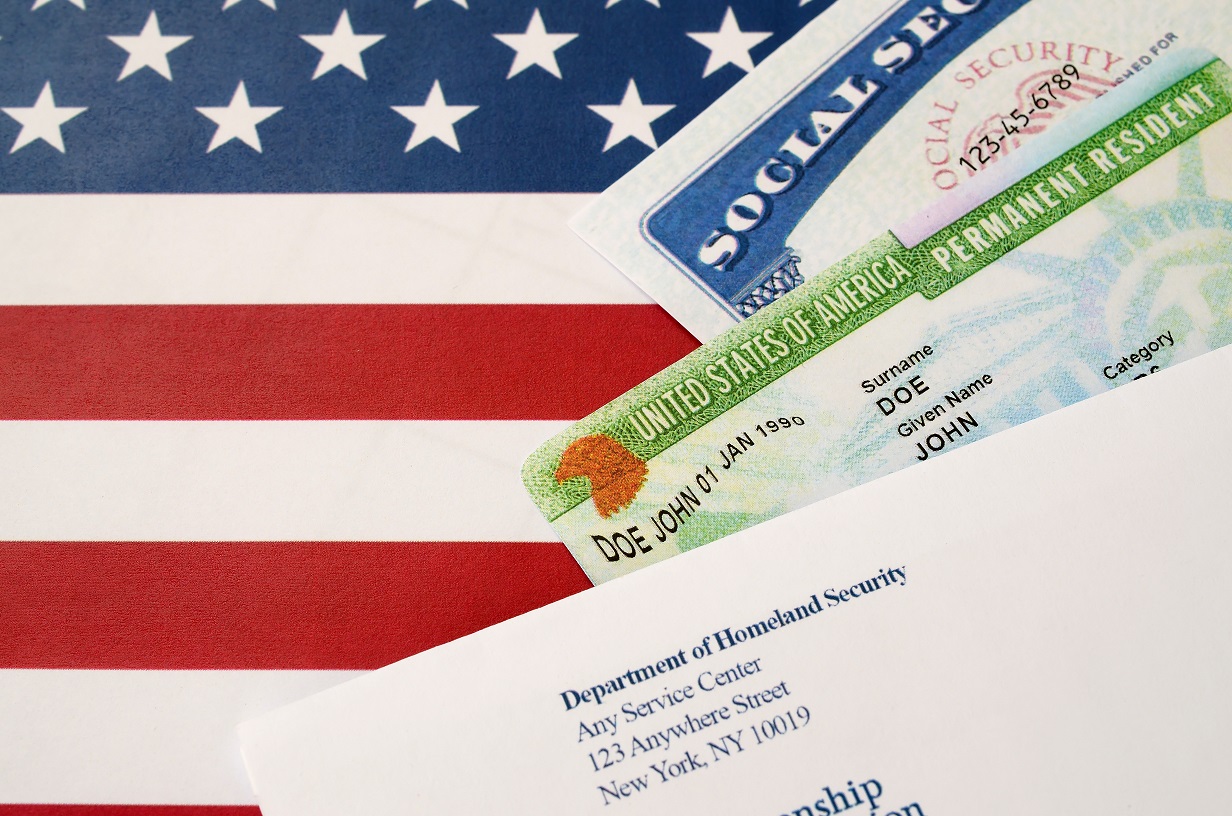
Trump Administration’s New Green Card Rule: What Changes for Immigrants in the U.S.? The Trump administration’s latest immigration announcement has created fresh uncertainty for thousands of immigrants living and working in the United States. In a major policy shift, the administration stated that most foreigners staying temporarily in the U.S. who want to become lawful permanent residents — commonly known as green card holders — will now be required to leave the country and complete the process from their home nations.
The change, announced by U.S. Citizenship and Immigration Services (USCIS), marks a sharp break from a system that many immigrants have relied on for decades. Immigration attorneys, student groups, multinational employers, and immigrant advocacy organizations say the decision could disrupt careers, separate families, and create legal confusion for people already living legally in America.
At the center of the concern is the uncertainty surrounding how the policy will actually be enforced and who may qualify for exceptions.
What Was the Process Earlier?
For years, many immigrants already residing legally in the United States could apply for permanent residency without leaving the country. This process was called Adjustment of Status (AOS).
Under the earlier system:
- International students on F-1 visas could transition to employment-based green cards while remaining in the U.S.
- H-1B skilled workers often adjusted status through employer sponsorship.
- Family-sponsored applicants could stay with relatives during processing.
- Applicants were usually allowed to continue working through employment authorization documents (EADs).
- Children studying in U.S. schools could remain with parents during processing.
- Applicants avoided the uncertainty of visa interviews abroad.
This system became especially important because U.S. consulates overseas frequently face delays, administrative processing backlogs, and visa refusals.
What Has Changed Now?
According to the new policy announcement:
Foreign nationals applying for green cards will generally need to:
- Leave the United States
- Return to their home country
- Attend visa processing through a U.S. embassy or consulate abroad
The administration stated that only applicants facing “extraordinary circumstances” may be allowed to complete the process from inside the U.S.
However, USCIS has not yet clearly defined:
- what counts as extraordinary circumstances,
- who qualifies,
- or how exceptions will be reviewed.
This ambiguity has created panic among immigrants who fear they may lose legal protections if they leave the country.
Why Immigrants Are Worried
The biggest concern is that once applicants leave the United States, there is no absolute guarantee they will be allowed back quickly — or at all.
Several risks now emerge:
1. Visa Delays Abroad
U.S. embassies and consulates in many countries already face:
- staffing shortages,
- long interview wait times,
- administrative processing delays.
Applicants could remain stuck outside the U.S. for months.
2. Family Separation
Families may face difficult choices:
- One spouse may remain in the U.S. for work,
- while another waits abroad for visa approval.
- Children studying in American schools could face disruptions.
3. Job Loss Risks
Workers on temporary visas may lose:
- employment continuity,
- project roles,
- or employer sponsorship if overseas processing takes too long.
Industries likely to be affected include:
- technology,
- healthcare,
- engineering,
- academia,
- scientific research.
4. Uncertainty for Students and DACA Recipients
Students transitioning from education to employment-based immigration pathways are especially vulnerable.
DACA recipients and younger immigrants fear sudden legal complications if protections expire during processing.
Who Could Be Most Affected?
The policy may impact:
- H-1B skilled workers
- International students
- Researchers and scientists
- Family-sponsored applicants
- Temporary visa holders
- DACA recipients
- Dependents on H-4 or F-2 visas
- Startup founders and entrepreneurs
Indian immigrants could be among the most affected groups because many already face decades-long green card backlogs under employment-based categories.
What Should Immigrants Do Now?
Immigration experts are urging people not to panic — but to act carefully and strategically.
Immediate Steps to Consider
1. Consult an Immigration Attorney
Before:
- traveling abroad,
- filing adjustment paperwork,
- or changing visa categories,
individuals should seek legal advice tailored to their case.
Immigration rules can vary dramatically depending on:
- visa category,
- overstay history,
- country of origin,
- and sponsorship type.
2. Avoid Unnecessary International Travel
Until clearer guidelines emerge, many attorneys advise avoiding non-essential travel if:
- a green card application is pending,
- visa renewal is uncertain,
- or legal status may be affected.
3. Keep Documentation Updated
Maintain copies of:
- visa approvals,
- I-94 records,
- employment letters,
- tax returns,
- educational documents,
- immigration receipts.
Proper documentation may become critical if exceptions are requested.
4. Monitor USCIS Announcements Closely
Because implementation details remain unclear, future guidance may:
- soften parts of the rule,
- define exceptions,
- or face legal challenges in court.
5. Employers Should Prepare Backup Plans
Companies relying on foreign workers may need:
- remote work arrangements,
- international transfers,
- legal contingency planning,
- immigration compliance reviews.
Economic and Global Impact
Critics argue the policy could damage America’s image as a destination for global talent.
The U.S. has historically benefited from immigrants in:
- science,
- medicine,
- engineering,
- technology,
- entrepreneurship.
For decades, international students and skilled professionals have contributed significantly to:
- innovation,
- research,
- startup creation,
- and economic growth.
If immigration pathways become more uncertain, countries such as:
- Canada,
- Australia,
- the United Kingdom,
- and Germany
could become more attractive alternatives for global talent.
A Bigger Immigration Shift
The announcement reflects a broader philosophy long associated with the Trump administration: stricter immigration enforcement, tighter procedural controls, and reduced flexibility within the legal immigration system.
Supporters believe the move restores integrity to immigration processing by ensuring applicants complete procedures outside the country. Critics, however, argue that abrupt policy shifts create instability for people who followed legal pathways in good faith.
What makes this policy especially controversial is not only the requirement itself, but the uncertainty surrounding implementation. Without detailed rules, many immigrants are left wondering:
- whether they qualify for exceptions,
- how long overseas processing may take,
- and whether leaving the U.S. could jeopardize their future permanently.
The Road Ahead
Legal experts expect lawsuits and court challenges once the policy is formally implemented. Immigration advocacy groups are already preparing to contest provisions they believe could unfairly harm lawful immigrants and families.
For now, immigrants across the United States are watching closely, seeking clarity in a rapidly changing immigration environment.
The policy may ultimately reshape how America handles legal immigration — but until clearer rules emerge, uncertainty remains the biggest challenge for those hoping to build their future in the United States. Gemini Spark and the Rise of Ambient AI Computing | Maya