Houthi Threats Escalate Tensions Between Saudi Arabia and Yemen
RIYADH, October 11, 2026 — Saudi Arabia has extended the shutdown of its main international airport following a deadly missile attack that reportedly killed 12 people and left more than 300 injured. The incident has intensified hostilities between Saudi Arabia and Yemen’s Iran-backed Houthi movement, raising concerns about further attacks, a broader regional conflict and possible disruptions to international oil supplies.
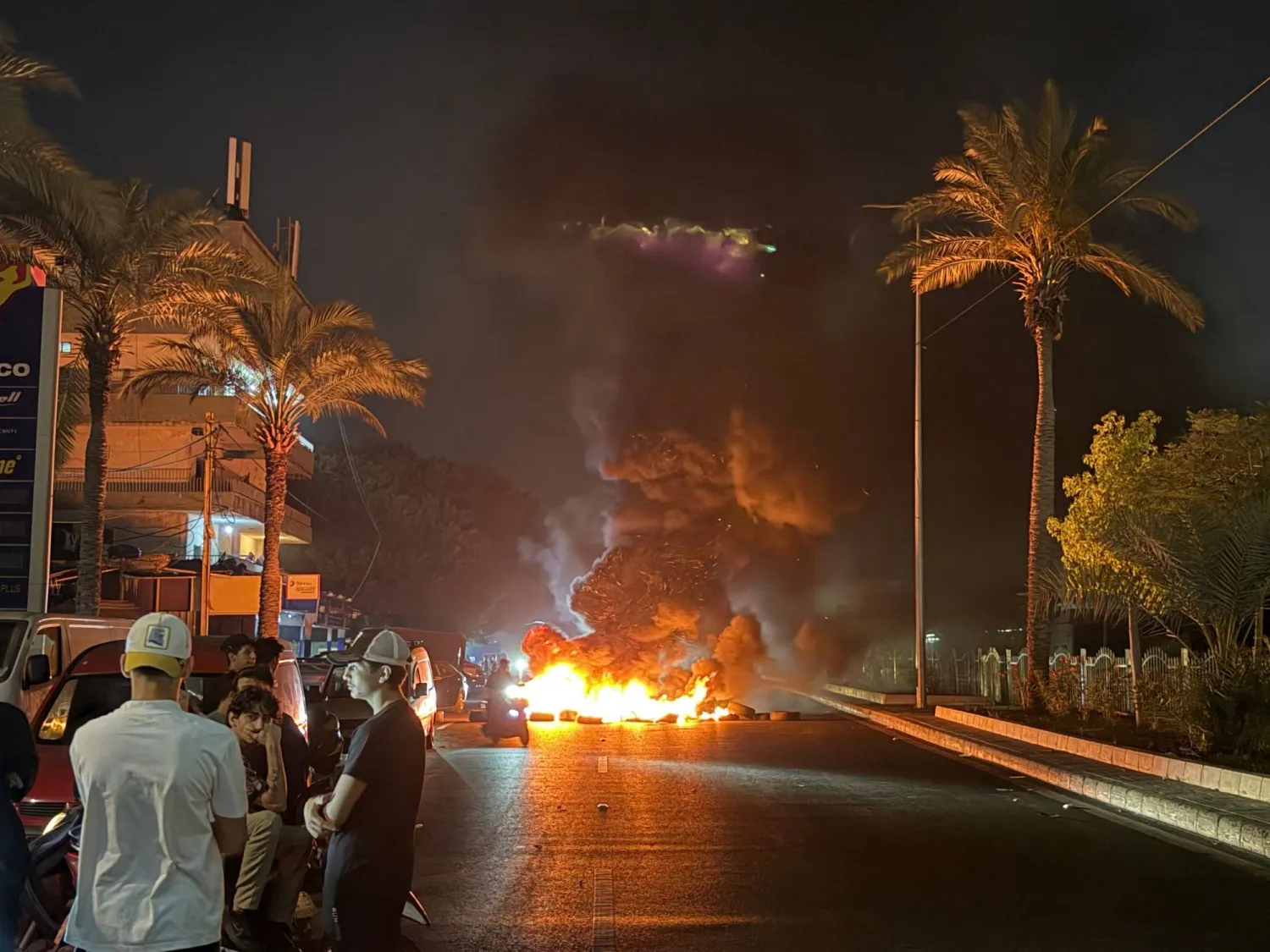
The strike, which reportedly targeted King Khalid International Airport in Riyadh on Saturday, prompted authorities to suspend airport operations and extend the closure into Sunday. According to reports, the casualties included Saudi nationals and citizens of several other countries. The high number of injuries has heightened concerns about civilian safety and the vulnerability of critical infrastructure during the escalating conflict.
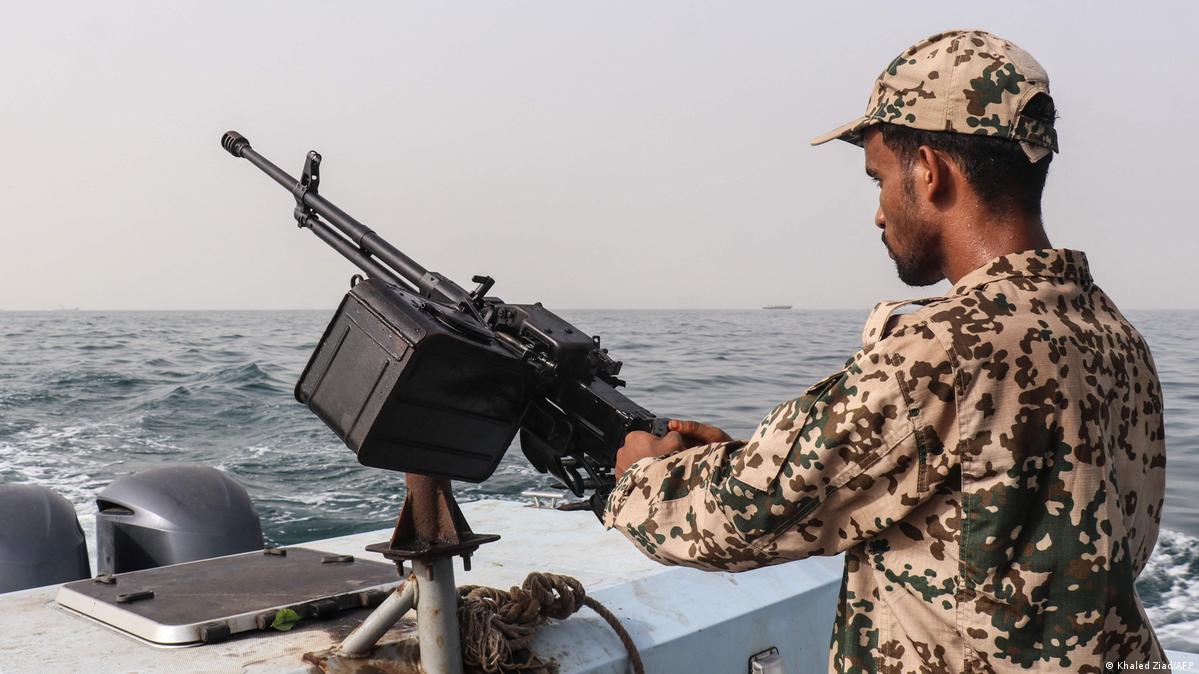
The attack represents a significant deterioration in regional security. Saudi Arabia and its allies have blamed the Houthis for the strike, describing it as a serious threat to civilian infrastructure and international aviation. In response, the Houthi movement has threatened additional attacks against Saudi territory and warned airlines about operating in Saudi airspace amid the growing military confrontation.
US President Donald Trump has indicated that Washington is considering possible involvement in Saudi military operations against the Houthis. Such a move could expand the conflict beyond its current boundaries and increase the risk of retaliation against American interests and regional allies. The possibility of direct US intervention has also raised concerns about the security of major maritime routes and energy infrastructure across the Middle East.
Several regional governments have expressed concern over the escalating violence and its potential consequences. Saudi Arabia and its partners face growing pressure to protect civilian populations, secure airports and prevent further attacks on strategic facilities. Meanwhile, the prospect of additional military action has complicated efforts to contain the conflict through diplomatic channels.
The latest developments come against the backdrop of Yemen’s prolonged civil war, which began escalating into a major regional confrontation after Saudi Arabia intervened in 2015 in support of the internationally recognised Yemeni government. The Houthis, who control the capital, Sanaa, and significant parts of northern Yemen, have fought Saudi-backed forces for years. The conflict has devastated infrastructure, weakened public services and contributed to one of the world’s most severe humanitarian crises.
The renewed fighting has also increased tensions around Yemen’s Red Sea coastline. The Bab el-Mandeb Strait, which connects the Red Sea with the Gulf of Aden, is a strategically important passage for international commerce and energy shipments. Threats to vessels operating in the area could disrupt shipping schedules, increase insurance premiums and force commercial operators to consider longer alternative routes.
The humanitarian consequences remain another major concern. Yemen’s Houthi-run Health Ministry has reported that 91 people were killed and 168 injured in attacks attributed to the Saudi-led coalition over a five-week period. The ministry claimed that women and children accounted for 60 per cent of those killed. These figures represent claims by the Houthi authorities and have not been independently verified. Nevertheless, the reported casualties underline the potential human cost of renewed hostilities.
The confrontation also carries significant implications for global energy markets. Saudi Arabia is a major oil producer, and any sustained threat to its energy facilities or export infrastructure could affect international supplies. Disruption around the Bab el-Mandeb Strait or the Strait of Hormuz could further complicate the movement of oil and other goods, potentially increasing transportation costs and contributing to volatility in global energy prices.
For Saudi Arabia, the immediate challenge is to restore normal airport operations, strengthen air defences and prevent further attacks on critical facilities. For Yemen, renewed hostilities risk worsening displacement, food insecurity and shortages of essential services among a population already struggling with years of conflict.
The possibility of a wider regional confrontation remains a central concern. Further Houthi attacks, an expanded Saudi military response or direct American involvement could intensify the fighting and expose more civilians and infrastructure to danger. At the same time, renewed diplomatic engagement could offer an opportunity to reduce tensions and prevent further escalation.
As the situation develops, the decisions made by Saudi Arabia, the United States and the Houthi leadership will play an important role in determining whether the crisis remains limited or develops into a broader regional conflict. The immediate priorities remain civilian protection, the security of international shipping and efforts to prevent further deterioration of Yemen’s humanitarian situation.