Iran Warns of Response After U.S. Hits Missile Sites in Southern Iran- Tensions between Iran and the United States have escalated sharply after Tehran warned of retaliation following a series of U.S. air and naval strikes targeting missile sites and suspected mine-laying vessels in southern Iran. The strikes, carried out amid an already fragile ceasefire, have raised fears of renewed conflict in the Gulf region and fresh disruption to global energy routes.
Iran’s foreign ministry condemned the attacks in the Hormozgan province, calling them a “blatant violation” of the ceasefire agreement and accusing Washington of aggressive military escalation near the strategically vital Strait of Hormuz. The ministry warned that Iran would respond at a time and manner of its choosing, intensifying concerns of further escalation.
At the same time, the United States Central Command (CENTCOM) defended the operations, describing them as “self-defence strikes” aimed at neutralising immediate threats to American forces and protecting international maritime traffic.
U.S. Says Strikes Were Defensive
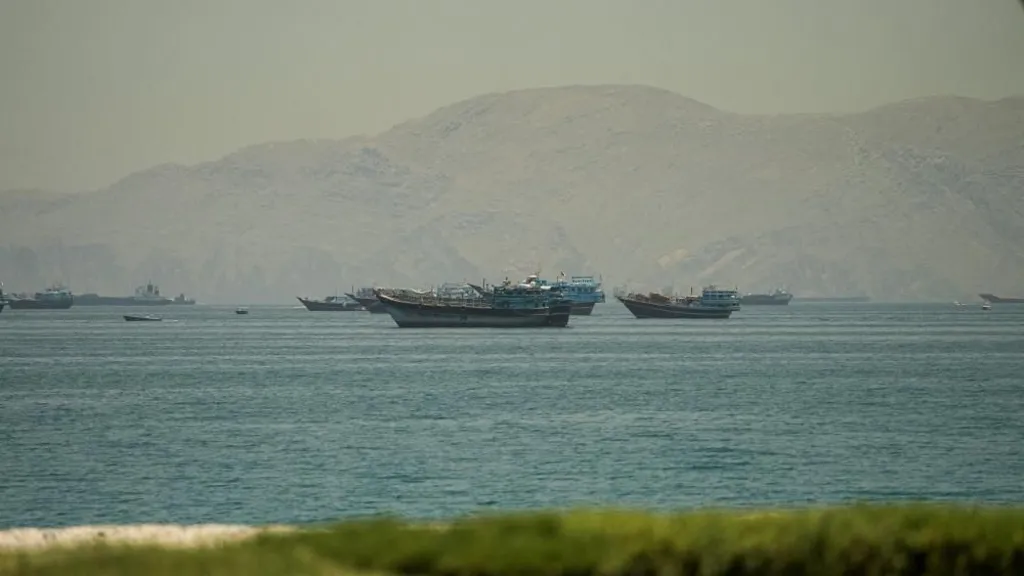
According to CENTCOM, the strikes targeted Iranian missile launch sites along the southern coastline and boats allegedly attempting to deploy naval mines in waters near the Strait of Hormuz. The U.S. military said the action was necessary to prevent attacks on its personnel and to safeguard freedom of navigation in one of the world’s most important shipping corridors.
A CENTCOM spokesperson said the operations were limited in scope and carried out with restraint, even as tensions remain high under the ongoing ceasefire framework. U.S. officials maintain that Iran’s activities in the region posed an immediate security threat to naval and commercial vessels operating in the Gulf.
The Strait of Hormuz is a critical chokepoint for global energy supplies, with nearly one-fifth of the world’s oil passing through it. Any instability in the region has immediate implications for global markets, shipping costs, and energy security.
Iran Vows Response, Calls Strikes ‘Aggressive’
Iran reacted strongly to the strikes, accusing the United States of undermining diplomatic efforts and violating the ceasefire that had been holding for several weeks. Tehran said the attacks took place in the Hormozgan region, which borders the Strait of Hormuz, and warned that it would not tolerate continued military pressure.
Iranian officials stated that the country would “not leave any aggression unanswered,” signaling that a retaliatory response remains under consideration. However, no immediate military action was announced.
Iran also linked the strikes to broader U.S. efforts to influence ongoing negotiations, arguing that such military actions weaken trust and complicate attempts to reach a lasting agreement.
Ceasefire Under Growing Strain
The latest escalation has placed renewed pressure on fragile diplomatic efforts aimed at stabilising the region. While both sides have not officially declared the ceasefire dead, the repeated cycle of strikes and counter-accusations has significantly eroded confidence in the agreement.
Diplomatic sources indicate that indirect negotiations are still continuing, with mediators attempting to prevent further escalation. However, analysts warn that continued military activity in and around the Strait of Hormuz could quickly derail talks altogether.
Despite the rising tensions, U.S. Secretary of State Marco Rubio has suggested that a diplomatic breakthrough is still possible. He indicated that while disagreements remain significant, progress could be achieved in the coming days if both sides maintain engagement through backchannel discussions.
Frozen Assets and Nuclear Concerns Complicate Talks
One of the key sticking points in negotiations remains Iran’s demand for access to frozen financial assets held in foreign banks. Tehran has insisted that economic relief is essential for any meaningful agreement, while Washington has linked sanctions relief to broader security commitments.
Discussions have also been complicated by wider concerns over Iran’s nuclear programme, with the United States and its allies seeking stronger verification mechanisms and long-term constraints.
These overlapping issues—sanctions, nuclear policy, and regional security—have made the diplomatic process highly fragile, with little room for miscalculation.
Global Stakes Rise as Strait of Hormuz Tensions Mount
The renewed military activity near the Strait of Hormuz has once again highlighted the vulnerability of global energy supply chains. Even limited disruptions in the region can send oil prices sharply higher and create uncertainty in international markets.
Shipping firms have already increased security measures and insurance premiums for vessels operating in the Gulf, reflecting heightened risk perceptions.
Analysts say the current situation underscores how quickly localized military incidents can escalate into global economic shocks when they involve critical maritime chokepoints.
Outlook: A Fragile Balance
For now, both Tehran and Washington appear to be balancing military signalling with diplomatic messaging. Iran’s warning of retaliation keeps pressure on the United States, while Washington’s insistence on defensive intent reflects its attempt to avoid a full-scale escalation.
However, with trust eroding and the Strait of Hormuz remaining at the centre of tensions, the risk of further confrontation remains high. The coming days are likely to be decisive in determining whether diplomacy can hold—or whether the region moves closer to renewed conflict. Why Is the Cost of Living Crisis Fueling Anger in Bolivia? | Maya