
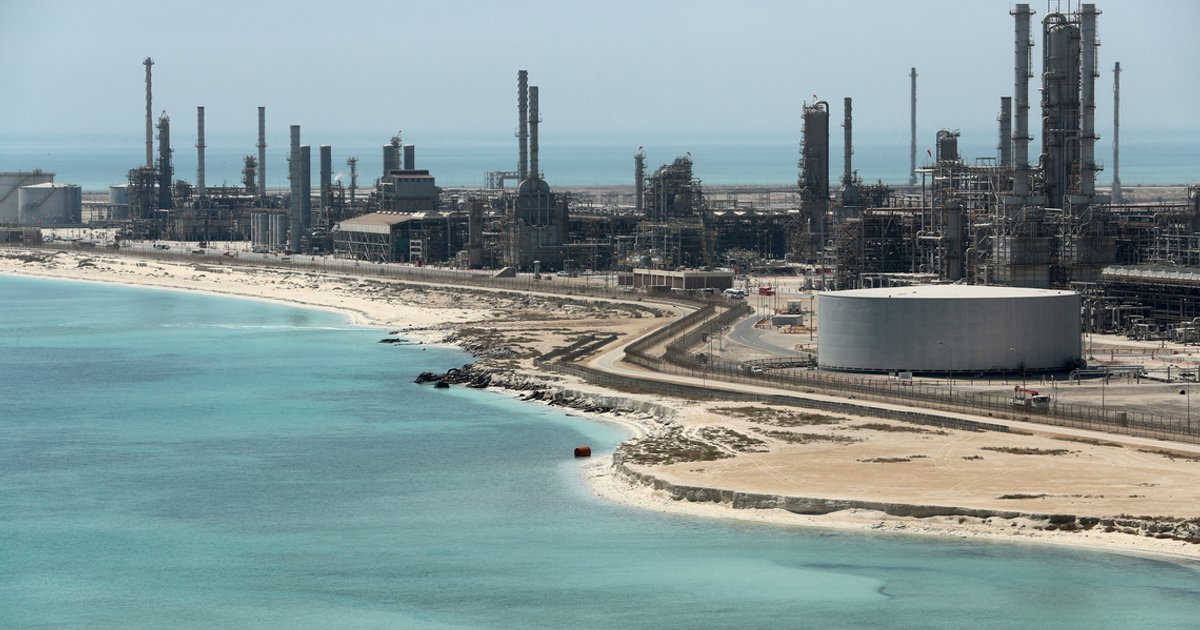
Houthis Claim Strike on Saudi Arabia’s Ras Tanura Oil Refinery as Riyadh Faces Missile Attacks- Yemen’s Houthi movement has claimed responsibility for a missile strike on Saudi Arabia’s Ras Tanura oil refinery, raising concerns about the security of the kingdom’s critical energy infrastructure amid escalating hostilities. The group also claimed attacks on several military and government-linked sites, including facilities near Najran and Khamis Mushait, as well as Riyadh and Abha airport.
The claims, announced on Tuesday by Houthi military spokesperson Yahya Saree, came amid reports of missile interceptions over the Saudi capital. However, Saudi authorities had not immediately confirmed the reported strike on Ras Tanura, and the available information did not independently establish the extent of damage to the refinery.
Ras Tanura is one of Saudi Arabia’s most strategically important energy facilities. Located on the kingdom’s Gulf coast, the complex includes a major oil refinery and a shipping terminal that supports the movement of petroleum products. Its importance extends beyond domestic energy supplies, as Saudi Arabia plays a central role in global oil markets.
Any disruption to such infrastructure could have consequences for oil production, refining, exports and market confidence. Nevertheless, the actual impact would depend on the extent of damage, whether operations were interrupted and how quickly the facility could return to normal activity.
According to Saree, the missile strike caused a fire at the Ras Tanura complex. The claim could not be independently verified from the information available at the time of the announcement. Distinguishing between an announced attack, a successful interception and confirmed damage is essential when assessing the scale of the incident.
The Houthis also claimed to have targeted two military transport aircraft at Najran Airport, an airbase in Khamis Mushait, the Saudi Defence Ministry building in Riyadh and Abha airport. These claims suggest that the group sought to portray its operations as a coordinated campaign against energy, military and government infrastructure. However, independent confirmation of the individual targets and the results of the alleged attacks was not immediately available.
Developments in Riyadh added to the security concerns. Saudi Arabia’s Civil Defense briefly issued an air raid alert in the capital on Tuesday afternoon. The authorities later reported that falling debris from the interception of two ballistic missiles had caused material damage to a building, a construction site and a vehicle.
The Saudi-led coalition said it had intercepted and destroyed the two missiles launched towards Riyadh. The reported interceptions demonstrate the continuing importance of air defence systems in protecting populated areas and strategic facilities from missile threats.
The Houthi claims also came alongside allegations that Saudi Arabia had conducted 81 airstrikes and missile attacks against Yemen during the preceding 24 hours. The figures were attributed to the Yemen Press Agency, which cited the Houthis. They were not independently verified in the report, and no immediate Saudi confirmation of the reported Ras Tanura attack was available.
The competing claims illustrate the difficulty of establishing a complete picture during an active conflict. Military announcements can provide an indication of the operations each side says it has conducted, but the number of attacks, the intended targets and the actual damage require independent corroboration.
The broader concern is the potential expansion of hostilities to infrastructure that supports both national security and international commerce. Oil facilities, airports and military installations occupy a particularly sensitive position because attacks against them can have consequences extending well beyond the immediate battlefield.
For global energy markets, Ras Tanura is significant because of its connection to Saudi Arabia’s wider petroleum industry and its location on the Gulf. The Strait of Hormuz, east of the facility, is one of the world’s most important maritime routes for oil and gas shipments. Although Ras Tanura is west of the strait, instability across the wider Gulf region can influence shipping costs, insurance premiums and expectations about future supply.
A confirmed interruption at a major refinery or export terminal could increase uncertainty among energy traders. However, a missile claim alone does not establish that oil supplies have been disrupted or that prices will rise. Market reactions depend on verified damage, the duration of any operational shutdown, available inventories and the ability of producers to redirect supplies.
The security implications are equally significant. Repeated attacks or attempted attacks can force authorities to devote additional resources to air defence, emergency response and infrastructure protection. Even when missiles are intercepted, debris can cause damage and disrupt ordinary activity. The prospect of further attacks may also affect aviation, commercial operations and investor confidence.
The latest claims therefore highlight the vulnerability of strategic infrastructure during periods of regional escalation. They also underline the importance of reliable information, particularly when unverified military statements can quickly shape perceptions of security and energy supply.
For now, the central question is whether the reported strike caused significant damage to Ras Tanura and whether the alleged attacks mark a wider escalation. Confirmation from Saudi authorities and independent reporting would be necessary to establish the full extent of the incident.
Until those details emerge, the claims should be treated cautiously. What is clear from the reported missile interceptions and damage in Riyadh is that Saudi Arabia continues to face security threats with potential implications for civilian safety, regional stability and the global energy sector. Less Talent, More AI? EA’s Workplace Turmoil Raises Questions About Gaming’s Future | Maya