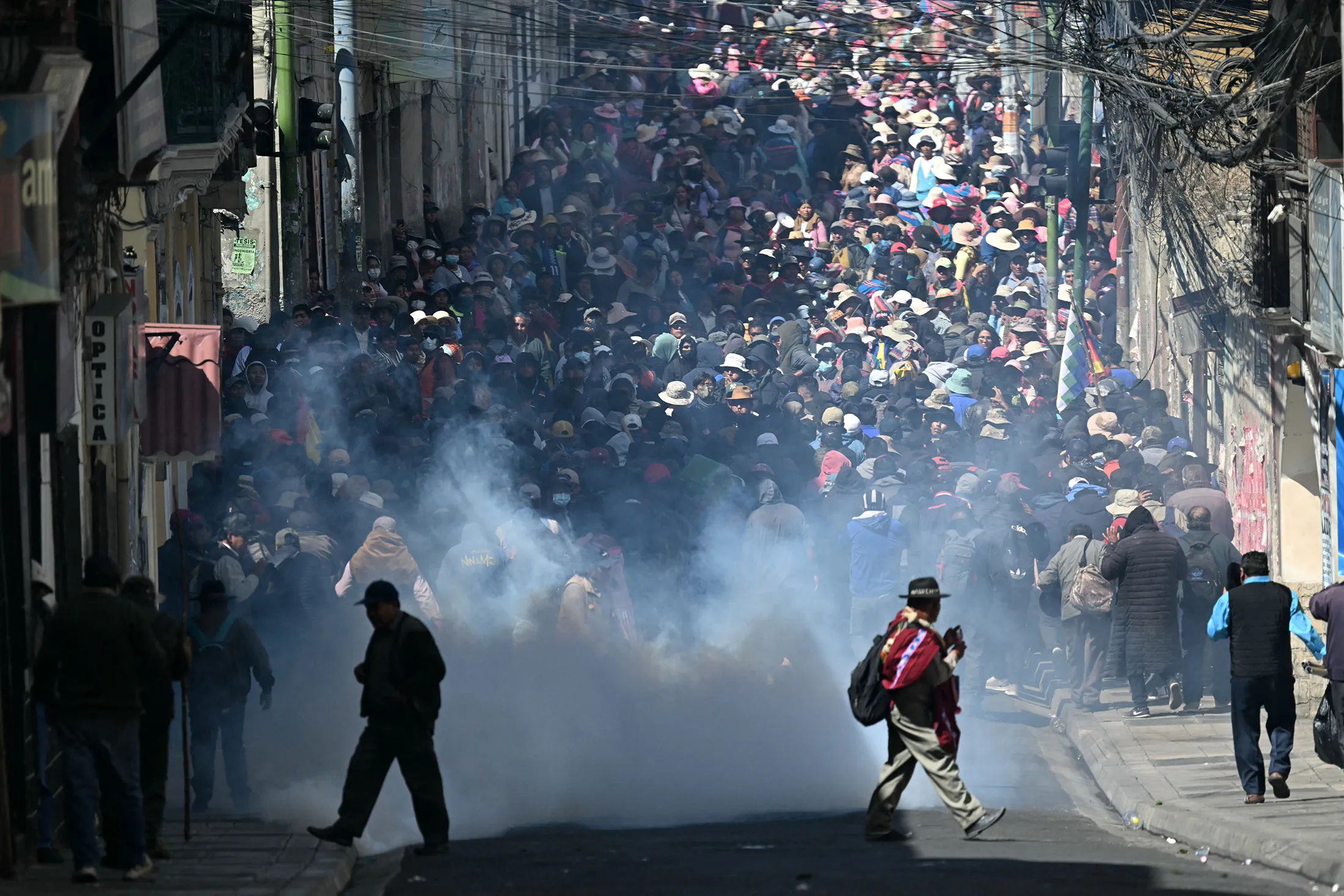
Why Is the Cost of Living Crisis Fueling Anger in Bolivia? Bolivia is witnessing one of its most intense waves of public unrest in years as soaring prices, fuel shortages, and economic uncertainty push thousands of people onto the streets. Across major cities and rural highways, protesters have blocked roads, organized strikes, and marched against the government, blaming the worsening cost of living crisis for making daily survival increasingly difficult.
For many Bolivians, the crisis is no longer just about economics — it has become a question of stability, dignity, and trust in the country’s leadership. Rising inflation has hit food, transport, cooking gas, and other essentials, leaving ordinary families struggling to afford basic necessities. The anger has spread rapidly among workers, farmers, transport unions, students, and Indigenous communities, creating a nationwide movement fueled by frustration and fear about the future.
A Nation Under Economic Pressure
Bolivia has long relied on state subsidies to keep fuel and public services affordable. For years, these subsidies helped maintain social stability and protected low-income households from global price shocks. However, the country’s economic situation has deteriorated sharply in recent years.
Declining natural gas exports — once a major source of national income — have weakened government revenues. Bolivia’s foreign currency reserves have also dropped significantly, limiting the government’s ability to import fuel and stabilize prices. As global inflation and supply chain disruptions increased costs worldwide, Bolivia’s economy became increasingly vulnerable.
The government responded by reducing fuel subsidies and implementing austerity-style economic measures aimed at controlling the fiscal deficit. While officials argued that these reforms were necessary to prevent a deeper financial collapse, many citizens saw them as a direct attack on working-class families already struggling with rising prices.
The immediate result was a sharp increase in transportation and fuel costs, which quickly affected food prices and household expenses across the country.
Inflation Is Hitting Everyday Life
For ordinary Bolivians, inflation is not measured through statistics — it is felt in markets, buses, kitchens, and workplaces every single day.
The price of staple foods such as rice, cooking oil, bread, meat, and vegetables has risen noticeably. Public transportation fares have increased as fuel became more expensive and scarce. Long lines at gas stations have become common in some areas, adding frustration and uncertainty to daily routines.
Small businesses are also suffering. Shop owners and street vendors say fewer people can afford goods, while transportation disruptions caused by protests and fuel shortages have made supply chains unreliable. Farmers complain about the rising cost of fertilizers, diesel, and machinery, making agricultural production more expensive.
Many families now face impossible choices between paying for transportation, buying food, or covering education and healthcare expenses. In poorer rural regions, the situation is even more severe, as access to goods depends heavily on fuel availability and transport routes.
This widespread economic pressure has created a sense that the crisis is touching every level of society.
Fuel Shortages Have Intensified Public Anger
One of the biggest triggers behind the protests has been the ongoing fuel shortage crisis.
Bolivia depends heavily on imported fuel, but declining foreign currency reserves have complicated purchases from international suppliers. As supplies tightened, shortages spread across major cities and rural regions alike.
Drivers have waited for hours — sometimes entire days — to fill their vehicles. Public transportation services have faced disruptions, while freight companies warn that supply shortages could worsen food inflation even further.
Fuel scarcity has become symbolic of broader economic dysfunction. Many protesters argue that the government failed to prepare for the crisis despite warning signs that Bolivia’s energy revenues were declining for years.
Truck drivers, taxi unions, and agricultural workers have emerged as some of the most vocal participants in demonstrations because their livelihoods depend directly on fuel availability.
Road blockades organized by these groups have paralyzed parts of the country, affecting trade routes and increasing pressure on authorities to negotiate.
Political Frustration Is Deepening the Crisis
The unrest is not driven by economics alone. Political tensions are magnifying public anger and making compromise more difficult.
Former president Evo Morales remains an influential and controversial figure in Bolivian politics. His supporters accuse the current administration of abandoning social protections and adopting policies that hurt the poor. Meanwhile, government officials claim Morales allies are encouraging unrest to weaken President Rodrigo Paz’s administration.
This political divide has transformed economic protests into a broader struggle over Bolivia’s future direction.
Some protesters demand immediate economic relief measures, while others are calling for leadership changes, new elections, or a reversal of austerity reforms. Opposition groups argue that the government has lost public confidence and failed to manage the economy effectively.
The administration, however, insists that difficult reforms are unavoidable if Bolivia wants to avoid a larger debt and inflation crisis in the future.
As both sides harden their positions, negotiations have become increasingly complicated.
The Human Cost of the Protests
The demonstrations have already caused serious disruptions and human suffering.
Clashes between protesters and security forces have led to injuries, arrests, and deaths in some areas. Businesses have closed temporarily due to instability and blocked transportation routes. Schools and public services have also faced interruptions.
In cities affected by road blockades, shortages of medicine, food, and fuel have raised fears about a potential humanitarian crisis. Hospitals have warned about delayed medical supplies, while local markets have struggled to maintain normal stock levels.
For low-income workers who rely on daily wages, the unrest creates another layer of hardship. Many people cannot afford to stop working, yet transportation disruptions and instability make earning income increasingly difficult.
The longer the crisis continues, the greater the economic and social damage becomes.
Why Bolivians Feel Betrayed
Part of the anger comes from broken expectations.
For many years, Bolivia was seen as one of South America’s more stable economies, supported by strong commodity revenues and social welfare programs. Millions of citizens benefited from government spending on infrastructure, subsidies, and poverty reduction initiatives.
Now, many people feel that stability is collapsing.
Citizens who once trusted the government to shield them from economic hardship increasingly believe leaders are disconnected from everyday realities. The sudden rise in prices and shortages has shaken public confidence, especially among working-class and Indigenous communities that historically formed the backbone of Bolivia’s political movements.
People are not only protesting inflation itself — they are protesting the fear that the country’s economic model is failing.
Regional and Global Factors Are Also Playing a Role
Bolivia’s crisis is unfolding within a difficult global economic environment.
High international fuel prices, slowing global growth, and regional political instability have all contributed to economic pressure across Latin America. Countries that rely heavily on commodity exports have faced increased financial vulnerability as revenues fluctuate.
Climate-related challenges have also affected agriculture in parts of the region, contributing to food price increases.
However, critics argue that Bolivia’s domestic economic management made the situation worse. They say the country depended too heavily on gas exports for too long without diversifying the economy or preparing for declining revenues.
As reserves weakened, Bolivia became more exposed to external shocks that are now directly affecting ordinary citizens.
Can the Government Restore Stability?
President Rodrigo Paz has attempted several measures to calm tensions, including salary cuts for top officials, calls for national dialogue, and emergency efforts to maintain fuel distribution.
The government has also opened humanitarian supply corridors and increased security operations to remove some road blockades.
But restoring public trust may prove far more difficult than restoring fuel supplies.
Many protesters believe temporary measures will not solve the deeper economic problems facing the country. They want long-term solutions that protect jobs, stabilize prices, and ensure access to affordable food and transportation.
Economists warn that Bolivia faces limited options. Expanding subsidies again could worsen the fiscal deficit, while additional austerity measures risk triggering even larger protests.
The country now faces a delicate balancing act between economic reform and social stability.
A Crisis That Reflects Deeper Fears
The protests in Bolivia are ultimately about more than inflation or fuel shortages. They reflect growing fears about inequality, declining living standards, and uncertainty about the future.
For many citizens, the crisis represents the breakdown of a social contract that once promised economic protection and opportunity. As prices rise and shortages continue, anger has spread beyond political groups into the broader population.
Whether the government can rebuild trust and stabilize the economy will likely determine not only the future of President Paz’s administration, but also Bolivia’s political and social direction for years to come. Zuckerberg Signals Stability After Major Meta Workforce Cuts | Maya