Krishna Janmashtami: The Festival of Lord Krishna’s Birth and How ISKCON Spread His Message Across the World- Krishna Janmashtami is one of the most important and widely celebrated festivals in Hinduism. It marks the birth of Lord Krishna, the eighth incarnation (avatar) of Lord Vishnu, who is believed to have descended to Earth to restore righteousness, defeat evil, and guide humanity toward the path of dharma. Every year, millions of devotees across India and around the world celebrate this sacred occasion with fasting, devotional singing, prayers, temple visits, and midnight celebrations.
The festival is not only a religious event but also a reminder of timeless values such as love, compassion, courage, wisdom, and selfless duty. Over the last century, the International Society for Krishna Consciousness (ISKCON), also known as the Hare Krishna movement, has played a major role in introducing Lord Krishna’s teachings to people across the globe.
The Story Behind Krishna Janmashtami
According to the Bhagavata Purana, Mahabharata, and other Hindu scriptures, Lord Krishna was born over 5,000 years ago in the city of Mathura. His parents were Devaki and Vasudeva.
At that time, Mathura was ruled by the cruel King Kansa. A prophecy warned Kansa that Devaki’s eighth child would one day defeat him. Fearing for his life, Kansa imprisoned Devaki and Vasudeva and killed each of their first six children. The seventh child, Balarama, was miraculously transferred to another womb through divine intervention.
When Krishna was born on the eighth day (Ashtami) of the dark fortnight of the month of Bhadrapada, extraordinary events unfolded. The prison doors opened by themselves, the guards fell asleep, and Vasudeva carried the newborn across the flooded Yamuna River to Gokul. There, Krishna was safely exchanged with the infant daughter of Yashoda and Nanda.
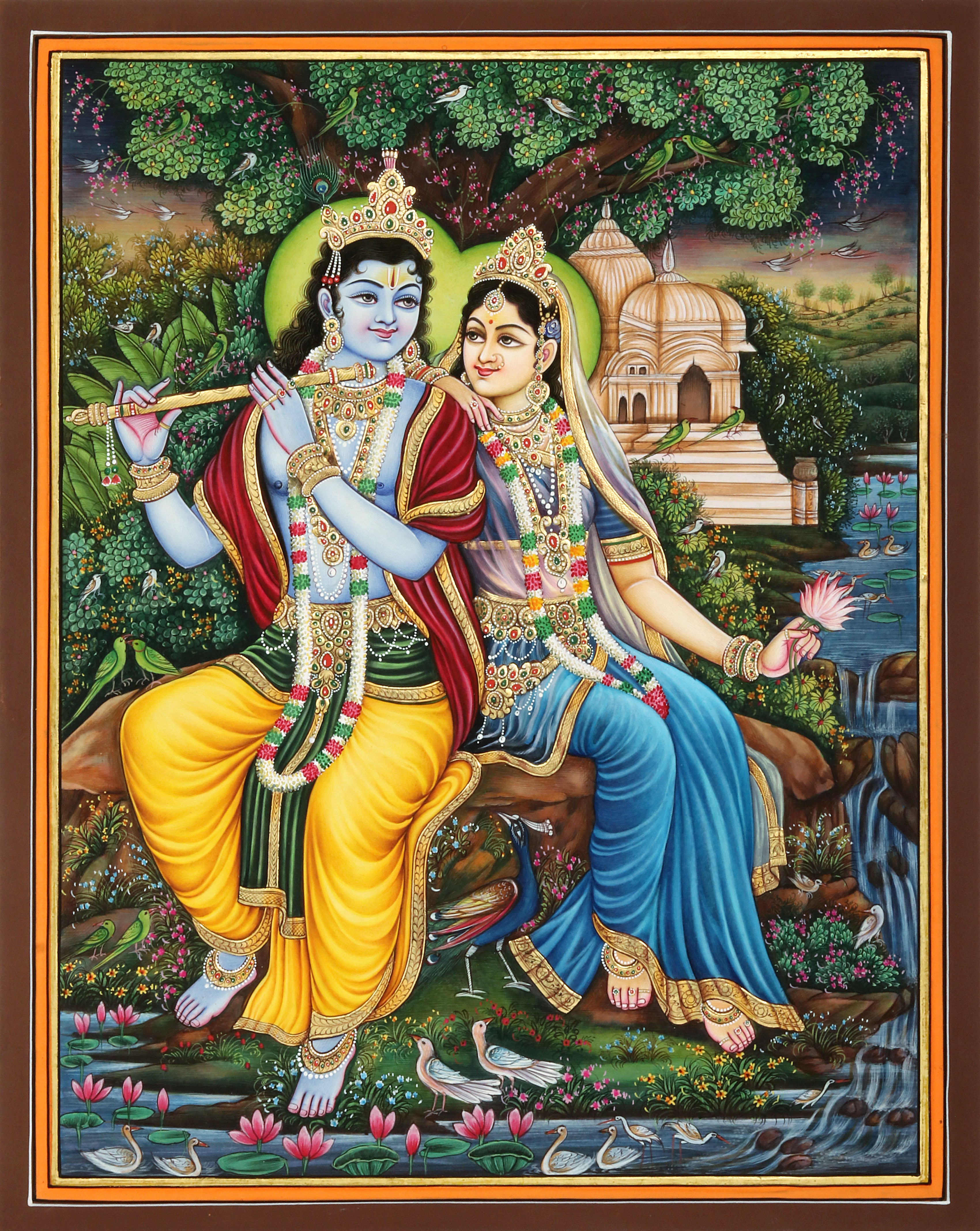
As Krishna grew up in Gokul and Vrindavan, he became famous for his playful childhood, his love for butter, his enchanting flute, and his miraculous acts. He defeated several demons sent by Kansa before eventually returning to Mathura and fulfilling the prophecy by overthrowing the tyrant.
Why Krishna Janmashtami Is Celebrated
Janmashtami celebrates the divine birth of Lord Krishna and the victory of righteousness over evil. Devotees believe Krishna appeared whenever injustice became unbearable and humanity needed guidance.
The festival also celebrates Krishna’s teachings in the Bhagavad Gita, where he explained important principles such as:
Performing one’s duty without attachment to results.
Living a life based on truth and compassion.
Developing devotion to God through love and faith.
Controlling the mind and senses.
Seeking spiritual wisdom along with worldly responsibilities.
These teachings continue to inspire millions of people regardless of nationality or background.
How Janmashtami Is Celebrated
Celebrations begin early in the morning and continue until midnight, the traditional time believed to mark Krishna’s birth.
Many devotees observe a day-long fast and spend the day chanting prayers, reading scriptures, and singing devotional songs known as bhajans and kirtans. Temples are decorated with flowers, lights, and colorful displays depicting scenes from Krishna’s life.
At midnight, priests perform a special worship ceremony (abhishek), bathing the deity of baby Krishna with milk, yogurt, honey, ghee, and holy water. Bells ring, conch shells are blown, and devotees joyfully chant “Hare Krishna.”
Children often dress as Krishna and Radha, while cultural programs, dance performances, and dramatic reenactments of Krishna’s childhood are organized. In many regions, especially Maharashtra, the famous Dahi Handi event recreates Krishna’s childhood pastime of stealing butter by forming human pyramids to break a pot suspended high above the ground.
The Teachings of Lord Krishna
Lord Krishna’s life offers lessons that remain relevant today.
He taught that success should never make people arrogant and failure should never destroy their confidence. True happiness comes from self-control, devotion, and serving others rather than endless material desires.
Krishna encouraged people to face challenges with courage, perform their responsibilities honestly, forgive others, and maintain inner peace during both success and hardship.
These timeless principles make Krishna not only a religious figure but also a universal symbol of wisdom and compassion.
The Birth of ISKCON
Although Krishna has been worshipped in India for thousands of years, the global spread of Krishna consciousness accelerated during the twentieth century.
In 1965, at the age of 69, A. C. Bhaktivedanta Swami Prabhupada traveled from Kolkata to New York aboard the cargo ship Jaladuta. Despite limited financial resources and enormous challenges, he carried with him the teachings of the Bhagavad Gita and Srimad Bhagavatam.
After spending nearly a year teaching in New York, he officially founded the International Society for Krishna Consciousness (ISKCON) in July 1966. The organization became widely known as the Hare Krishna movement because of its emphasis on chanting the Maha Mantra:
Hare Krishna Hare Krishna
Krishna Krishna Hare Hare
Hare Rama Hare Rama
Rama Rama Hare Hare
Prabhupada believed that chanting these holy names could help people develop peace, spiritual awareness, and devotion to God.
How ISKCON Expanded Around the World
What began in a small storefront in New York soon became an international spiritual movement.
Within just a few years, temples were established across the United States, Canada, Europe, India, Africa, South America, and many other countries. Public chanting, festivals, educational programs, and the distribution of spiritual literature helped attract followers from diverse cultures.
Prabhupada translated and published dozens of important Sanskrit scriptures into English, making ancient Vedic wisdom accessible to a global audience. Today, his books are available in many languages and continue to introduce millions of readers to Krishna’s teachings.
ISKCON has also become known for its humanitarian work, including vegetarian food distribution, educational initiatives, cultural preservation, youth programs, and community service. According to official ISKCON information, the movement now has hundreds of temples and centers across the world and serves millions of devotees through spiritual and charitable activities.
ISKCON and Janmashtami Celebrations
Janmashtami is among ISKCON’s largest annual festivals.
Its temples are beautifully decorated with flowers and lights, and thousands of devotees participate in devotional singing, scripture readings, dramatic performances, and midnight worship. Many visitors experience traditional Indian culture through music, dance, vegetarian feasts, and exhibitions explaining Krishna’s life and philosophy.
ISKCON temples in cities around the world—including London, New York, Melbourne, Nairobi, Moscow, Mumbai, Delhi, Vrindavan, Bengaluru, and Mayapur—attract large crowds during the festival, making Janmashtami a truly global celebration.
Why Janmashtami Continues to Inspire Millions
Even in today’s fast-paced world, Krishna Janmashtami continues to unite people through faith, hope, and devotion.
For many, the festival is more than a celebration of a historical event. It is an opportunity to reflect on Krishna’s message of love, selfless action, courage, and spiritual growth. The teachings of the Bhagavad Gita remain relevant to modern challenges, offering guidance on handling stress, making ethical decisions, and living with purpose.
Through organizations like ISKCON, Krishna’s message has crossed geographical, cultural, and linguistic boundaries, inspiring millions to embrace devotion, compassion, and service.
Final Thoughts
Krishna Janmashtami is a celebration of the birth of one of Hinduism’s most beloved deities and a reminder that truth ultimately triumphs over evil. From the prison cell in Mathura to the global temples of ISKCON, Lord Krishna’s message has traveled across centuries and continents.
The remarkable efforts of A. C. Bhaktivedanta Swami Prabhupada transformed a centuries-old spiritual tradition into a worldwide movement that continues to preserve and promote Krishna’s teachings. Today, Janmashtami is celebrated not only across India but in hundreds of cities around the world, demonstrating the universal appeal of Lord Krishna’s timeless message of devotion, wisdom, and peace.