The New Cold War: America, China, Russia, Iran — Are We Entering a New Global Power Struggle? For much of the three decades following the collapse of the Soviet Union, the world appeared to operate under a relatively straightforward power structure. The United States stood as the unrivaled superpower, shaping global trade, security alliances, and international institutions. Today, that era is rapidly fading.
A new geopolitical contest is taking shape—one that many analysts describe as a “New Cold War.” Unlike the 20th-century confrontation between Washington and Moscow, this emerging struggle is far more complex. It involves multiple centers of power, economic warfare instead of purely ideological conflict, technological competition, proxy battles, and shifting alliances that blur traditional geopolitical lines.
At the heart of this evolving rivalry stand four key players: the United States, China, Russia, and Iran. Together, their actions are reshaping the global order and raising a critical question: Is the world entering a new era of great-power competition?
From Unipolarity to Multipolarity
The post-Cold War period was characterized by what political scientists called a unipolar world, dominated by American military, economic, and diplomatic power. However, the rise of China, Russia’s geopolitical resurgence, and the growing influence of regional powers have accelerated the transition toward a more fragmented and competitive international system. Analysts increasingly describe today’s environment as an emerging multipolar order rather than one dominated by a single superpower.
Unlike the Cold War of the 20th century, there are no rigid ideological blocs dividing the world. Instead, nations are pursuing flexible partnerships based on strategic interests, economic opportunities, and security concerns.
Countries such as India, Saudi Arabia, Türkiye, Brazil, and Indonesia are increasingly exercising independent foreign policies, refusing to align exclusively with either Washington or Beijing. This strategic balancing reflects a broader shift away from a U.S.-centered global system.
America and China: The Central Rivalry
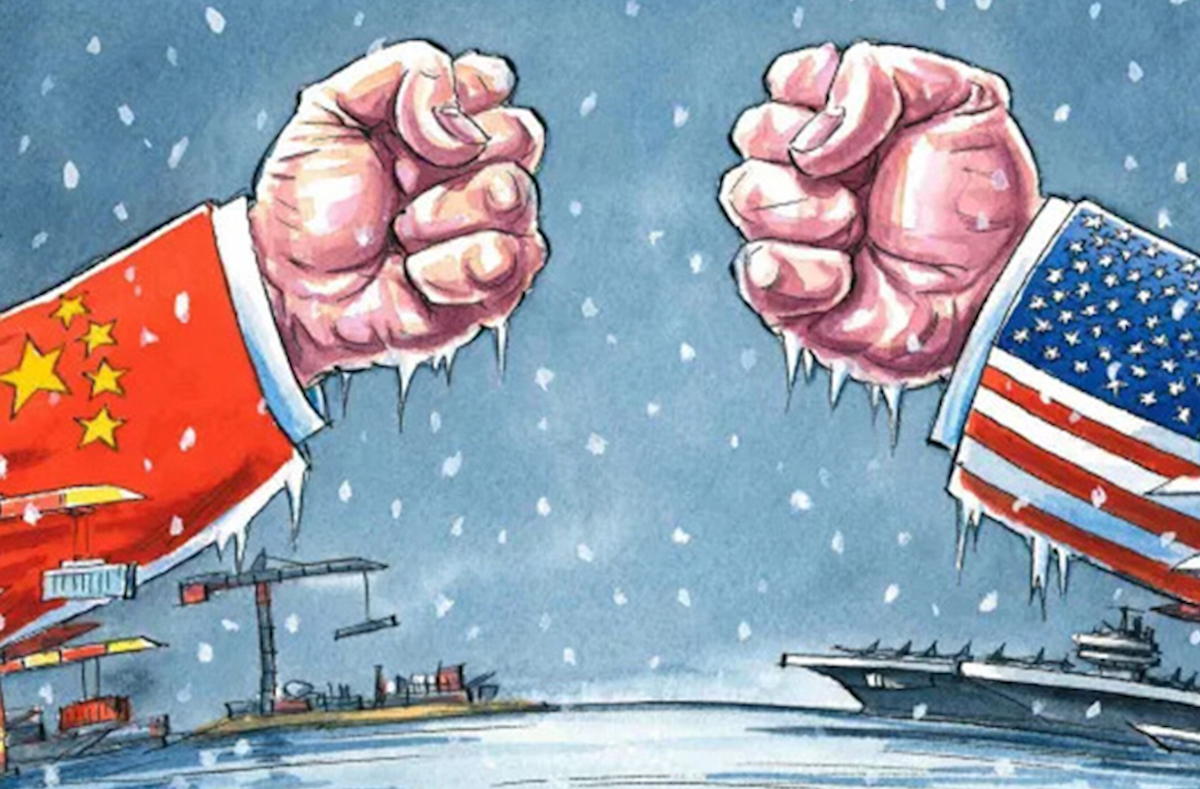
The most significant geopolitical contest of the 21st century is undoubtedly the rivalry between the United States and China.
Unlike the Soviet Union, China is not merely a military competitor. It is also an economic powerhouse deeply integrated into the global economy. Beijing’s rapid technological advancement, expanding military capabilities, and growing diplomatic influence have challenged America’s longstanding dominance in key regions, particularly the Indo-Pacific.
The competition extends far beyond military power.
Trade disputes, semiconductor restrictions, artificial intelligence, rare earth minerals, and supply-chain security have become major battlegrounds. Washington has increasingly sought to reduce strategic dependence on Chinese manufacturing, while Beijing has accelerated efforts to achieve technological self-sufficiency.
Yet economic decoupling remains difficult. Research suggests that while supply chains have shifted toward countries such as Vietnam and other ASEAN economies, many of these networks remain closely connected to Chinese production systems.
This economic interdependence creates a unique dynamic: the world’s two largest economies are simultaneously partners and rivals.
Russia’s Strategic Return
Russia’s invasion of Ukraine fundamentally altered global geopolitics.
Although Western sanctions have imposed significant economic costs, Moscow has demonstrated resilience by deepening relationships with non-Western partners and redirecting trade toward Asia and the Global South. Russia has increasingly positioned itself as a challenger to what it views as Western dominance of international affairs.
The Kremlin’s strategy extends beyond military confrontation. Russia has sought to strengthen political, economic, and security partnerships with China, Iran, and other states dissatisfied with the Western-led international order.
At the same time, Moscow remains cautious about becoming overly dependent on Beijing. While Russia and China share strategic interests, their relationship is driven more by pragmatism than by a formal alliance.
This distinction is crucial. The emerging geopolitical landscape is not defined by fixed blocs but by overlapping partnerships that can shift according to circumstances.
Iran’s Rising Geopolitical Significance
For decades, Iran was often viewed as a regional power focused primarily on the Middle East. Today, it occupies a far more significant position within the broader global competition.
Western sanctions pushed Tehran toward closer cooperation with both Moscow and Beijing. In recent years, Iran has expanded military, economic, and diplomatic ties with Russia while maintaining a long-term strategic partnership with China.
The Russia-Iran relationship has become particularly important. The two countries have increased cooperation in defense, trade, transportation infrastructure, and efforts to reduce reliance on the U.S. dollar in international transactions. A strategic partnership agreement signed in 2025 further strengthened these ties.
Yet Iran remains far from a formal member of any anti-Western alliance. Like Russia and China, Tehran seeks flexibility and strategic autonomy rather than binding commitments.
This reflects a broader trend in international politics: nations increasingly prefer issue-based cooperation over rigid alliance structures.
The Rise of Economic Warfare
One of the defining features of the New Cold War is that many battles are being fought not with tanks or missiles but with economic tools.
Sanctions, tariffs, export controls, financial restrictions, and technology bans have become central instruments of statecraft.
The United States has used sanctions extensively against Russia and Iran while imposing restrictions on Chinese access to advanced semiconductor technology. China, in turn, has leveraged its dominance in critical supply chains and rare earth minerals as strategic assets.
The result is a form of economic warfare that affects everything from energy markets to consumer electronics.
Increasingly, governments are prioritizing economic security alongside traditional national security. Critical industries such as artificial intelligence, quantum computing, renewable energy, and advanced manufacturing have become arenas of geopolitical competition.
In many respects, economic resilience has become as important as military strength.
Military Buildups and Strategic Competition
While economics plays a central role, military power remains a critical component of the emerging rivalry.
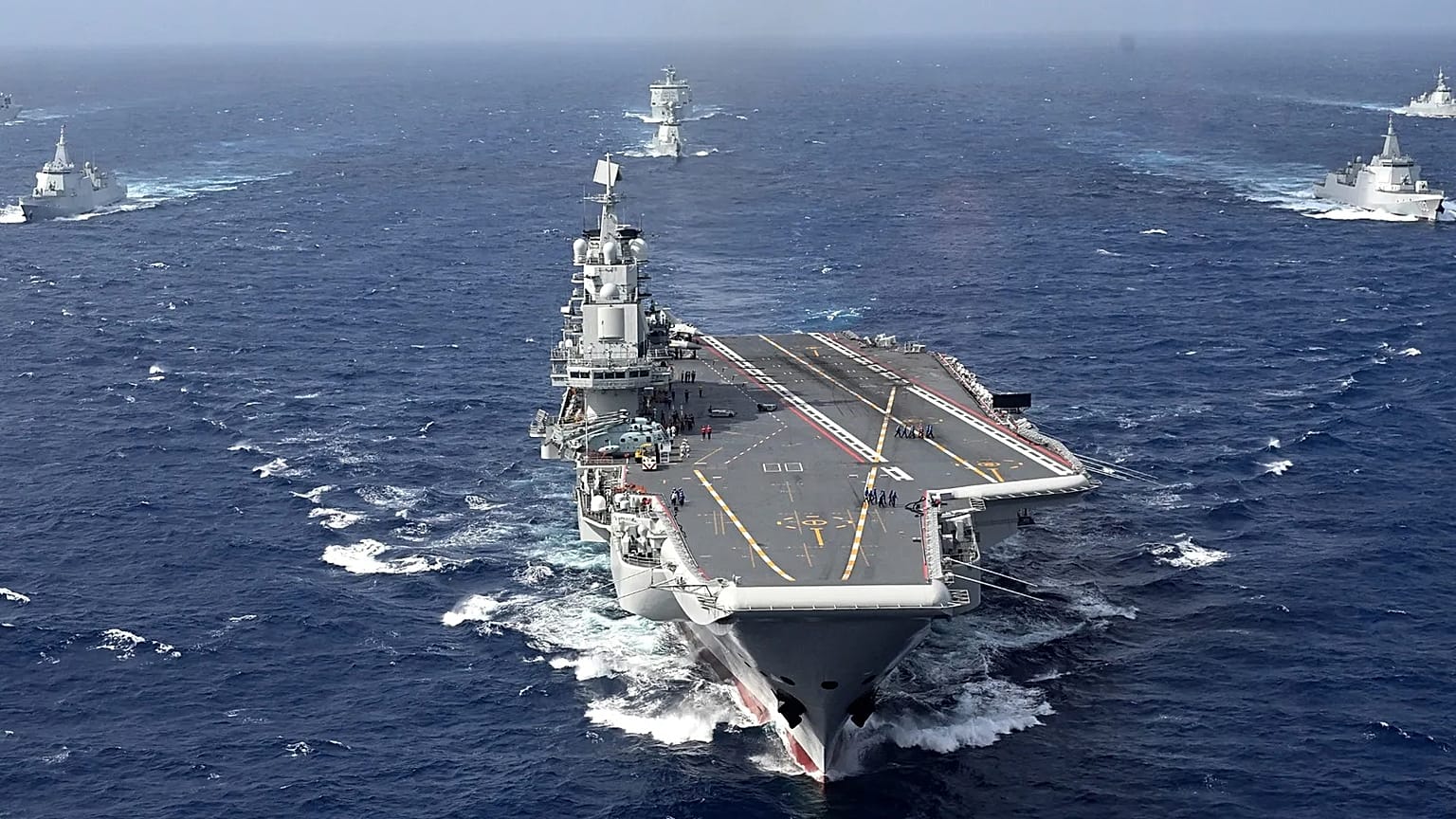
China has undertaken one of the most ambitious military modernization programs in modern history, expanding its naval capabilities, missile systems, cyber warfare infrastructure, and space assets. Its growing presence in the Indo-Pacific has heightened tensions with the United States and regional allies.
Meanwhile, Russia continues to invest heavily in strategic weapons systems despite economic pressures. Iran has expanded its missile capabilities and drone technology, increasing its influence across the Middle East.
Joint military exercises involving China, Russia, and Iran have become more frequent, signaling growing security cooperation among these powers. However, analysts note that these relationships remain largely bilateral or trilateral rather than forming a unified military alliance.
The world’s military balance is becoming increasingly complex, with multiple powers pursuing regional influence simultaneously.
The Alliance Puzzle
Perhaps the most misunderstood aspect of the New Cold War is the assumption that the world is dividing into two clear camps.
Reality is far messier.
The United States maintains extensive alliances through NATO and partnerships across Asia. However, many countries increasingly pursue hedging strategies that allow them to cooperate with multiple powers at once.
India, for example, strengthens security cooperation with Washington while maintaining economic and defense ties with Moscow. Gulf states deepen relationships with China while preserving strategic partnerships with the United States.
Even among nations often grouped together—China, Russia, and Iran—significant differences remain. Their cooperation is driven by shared interests rather than ideological unity or treaty obligations.
This fluidity makes the current geopolitical environment less predictable than the original Cold War.
What Comes Next?
The defining question of the coming decade is not whether the world is entering a new power struggle—it already has.
The real question is whether this competition can be managed without escalating into major conflict.
Unlike the Cold War between the United States and the Soviet Union, today’s rivals are deeply interconnected through trade, technology, finance, and global supply chains. This interdependence creates both opportunities for cooperation and risks of confrontation.
The emerging world order appears increasingly multipolar, characterized by competing centers of power rather than a single dominant state. Yet it also retains elements of bipolar competition, particularly between the United States and China.
As America, China, Russia, and Iran pursue their strategic ambitions, the global landscape will continue to evolve. Economic warfare, technological rivalry, military modernization, and shifting alliances are likely to define international relations for years to come.
The New Cold War may not look like the last one. But its consequences could be just as profound.
The era of unquestioned American dominance is fading. In its place, a more contested, uncertain, and multipolar world is emerging—one where power is increasingly shared, challenged, and constantly renegotiated. Are Designer Babies Becoming Real? The Truth About CRISPR | Maya