US Launches Airstrikes on Iranian Military Sites After Alleged Drone Attack in Strait of Hormuz- The United States carried out a series of precision airstrikes against Iranian military facilities on Friday after accusing Tehran of violating a recently established ceasefire by launching drones at commercial ships transiting the Strait of Hormuz. The military action marks a significant escalation in tensions, raising fresh concerns over security in one of the world’s most critical maritime trade routes.
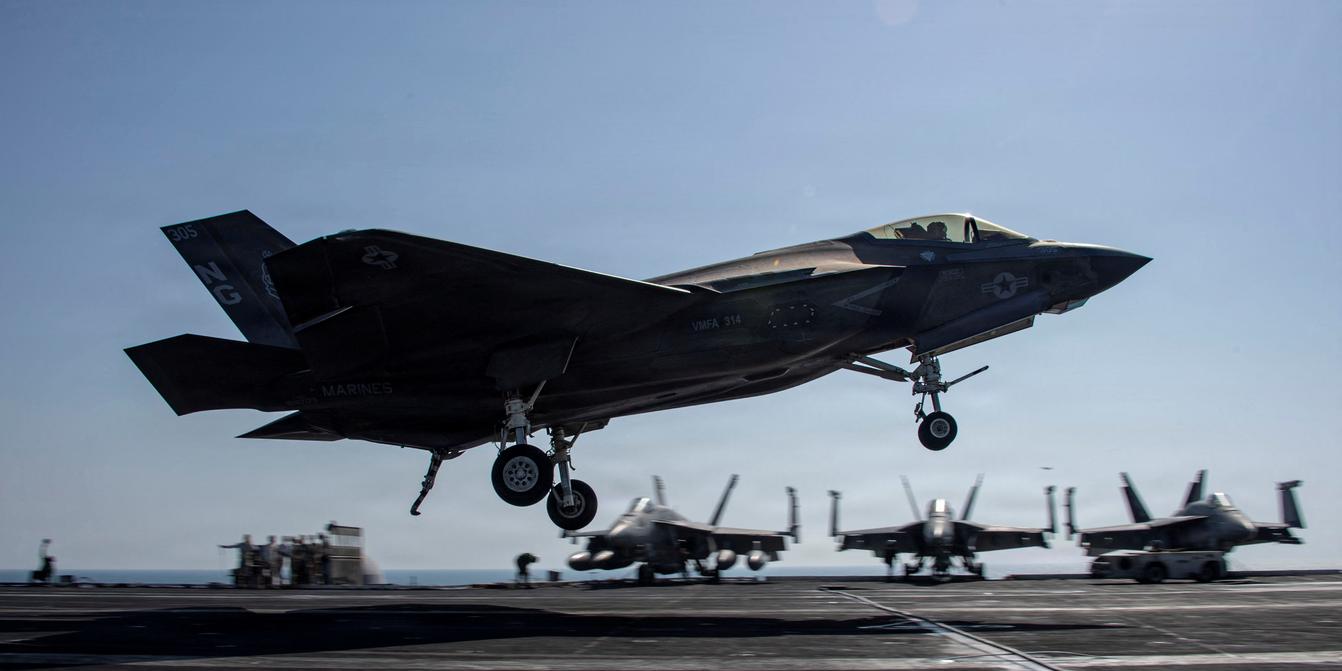
According to the U.S. Central Command (CENTCOM), American aircraft targeted Iranian missile storage sites, drone facilities, and coastal radar systems believed to have supported the attacks on international shipping. U.S. officials described the strikes as a defensive response aimed at preventing further threats to civilian vessels and maintaining freedom of navigation in the Gulf.
The operation came after President Donald Trump accused Iran of carrying out multiple drone attacks against merchant ships on Thursday. In a statement posted on Truth Social, Trump said Iran launched at least four drones toward commercial vessels sailing through the Strait of Hormuz, calling the incident a “clear violation” of the ceasefire agreement reached earlier this month.
Three of the drones were reportedly intercepted and destroyed by U.S. forces before reaching their targets. However, one drone managed to strike the upper deck of the M/V Ever Lovely, a Singapore-flagged cargo ship that was exiting the Strait of Hormuz while traveling along the Omani coastline.
Although the attack caused damage to the vessel, early reports indicated that no crew members were killed or seriously injured. Maritime authorities quickly assessed the ship’s condition, while regional naval forces increased patrols to ensure the safety of other commercial traffic passing through the area.
CENTCOM said intelligence gathered after the incident linked the drone launches to Iranian military positions along the country’s southern coast. Officials also claimed the targeted radar installations were actively supporting surveillance and guidance operations connected to the drone attacks.
Military commanders emphasized that the strikes were carefully planned to hit infrastructure directly associated with the alleged attacks while minimizing the risk of civilian casualties. Damage assessments are continuing, and U.S. officials have not released information regarding possible Iranian military losses.
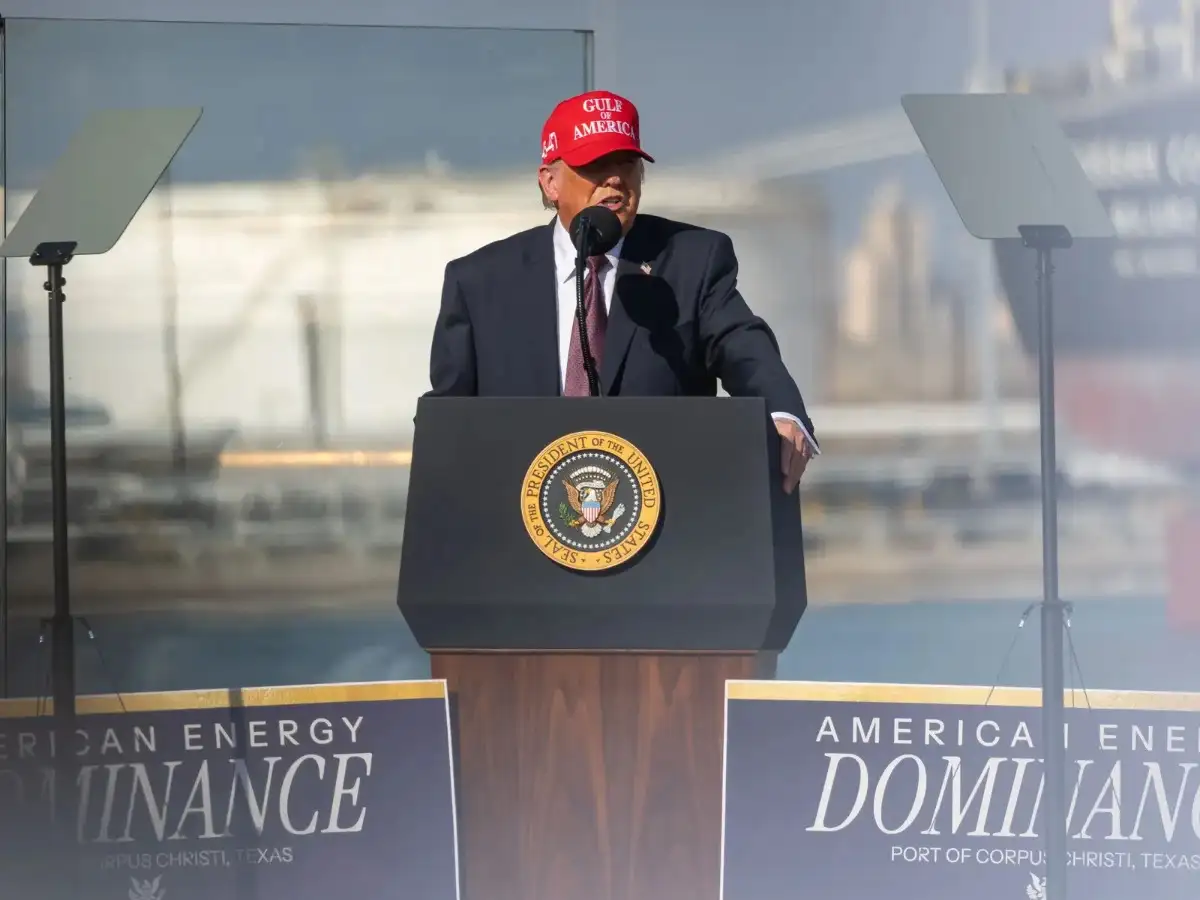
President Trump defended the military response, arguing that the United States could not ignore attacks on international shipping lanes.
“Iran’s actions endangered innocent civilian crews and threatened one of the world’s most important trade corridors,” Trump said. He added that Washington remains committed to protecting commercial vessels and ensuring that the ceasefire is respected by all parties.
The Strait of Hormuz is widely regarded as one of the most strategically important waterways on the planet. Nearly one-fifth of the world’s oil supply passes through the narrow passage each day, making any disruption there a matter of global economic concern. Even brief periods of instability in the region can influence oil prices, shipping costs, and international energy markets.
The latest confrontation comes at a delicate moment following weeks of diplomatic efforts aimed at reducing hostilities between the United States and Iran. While the ceasefire had temporarily lowered fears of a broader regional conflict, Friday’s developments have cast doubt on its long-term stability.
Security analysts believe the incident demonstrates how quickly isolated military actions can threaten fragile diplomatic agreements. Any sustained disruption in the Strait of Hormuz could have consequences extending far beyond the Middle East, affecting global trade networks and energy supplies.
Shipping companies are now reviewing security procedures for vessels traveling through the Gulf. Some operators have already instructed ships to exercise additional caution, while maritime monitoring organizations have warned that the security environment remains unpredictable.
Meanwhile, governments across the region are closely monitoring the situation. Several countries are expected to urge restraint from both Washington and Tehran to prevent further escalation that could destabilize the Gulf and interrupt international commerce.
Iran had not officially responded to the U.S. airstrikes at the time of publication. It also has not publicly addressed the American allegations that its forces were responsible for the drone attack on the M/V Ever Lovely. Analysts say Tehran’s response in the coming days could play a key role in determining whether tensions continue to rise or whether diplomatic channels can prevent another cycle of military confrontation.
For now, the U.S. military has signaled that it remains prepared to respond to any additional threats against commercial shipping. With international attention once again focused on the Strait of Hormuz, the latest exchange highlights how quickly the region’s fragile security situation can shift, placing both global trade and regional stability at risk.