Massive Military Drills Highlight Nuclear Readiness in Russia–Belarus Alliance- Russia and Belarus have conducted a large-scale joint military exercise designed to demonstrate the readiness and coordination of their nuclear forces, underscoring the deepening security alignment between the two neighboring states amid ongoing tensions in Eastern Europe.
The drills, which took place over several days, involved a wide array of military assets, including missile systems, strategic aircraft, naval platforms, and specialized units tasked with nuclear operations. According to statements from Russia’s Defense Ministry, the exercise simulated scenarios involving the “preparation and use of nuclear forces under conditions of perceived external threat,” a formulation commonly used by Moscow to describe strategic deterrence operations rather than actual weapon deployment.
Officials said the exercise included tens of thousands of personnel and a broad spectrum of equipment capable of delivering both conventional and nuclear payloads. While exact figures vary across official reports, the scale of the drills was intended to reflect Russia’s ability to rapidly mobilize and coordinate across multiple military domains.
A key feature of the exercise was the participation of Belarus, which has increasingly integrated its defense posture with Russia since 2022. Belarusian leader Alexander Lukashenko personally reviewed Russian short-range nuclear-capable missile systems, including the Iskander platform, during the drills. His public remarks praising the system underscored Minsk’s political and military alignment with Moscow and its role as a host for Russian nuclear weapons stationed on Belarusian territory.
Russia’s President Vladimir Putin has repeatedly emphasized the importance of nuclear deterrence in the context of the war in Ukraine, which began in February 2022. Since then, nuclear signaling has become a recurring element of Russia’s strategic communications, particularly aimed at discouraging deeper military involvement by NATO countries in support of Ukraine.
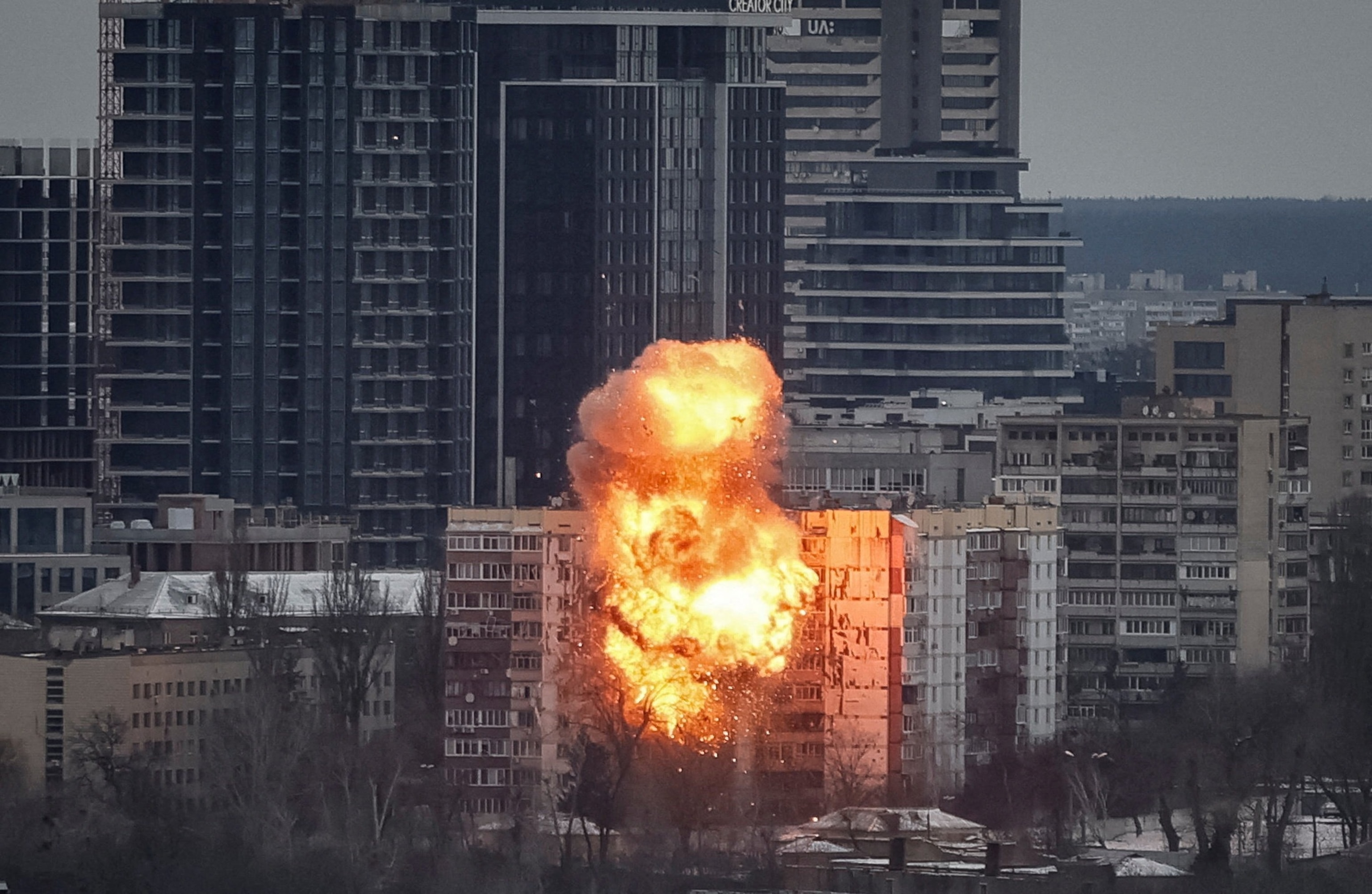
The current drills come at a time when the broader security environment in the region remains highly volatile. Ukrainian drone strikes targeting infrastructure inside Russia, including areas near Moscow, have continued to shape the domestic perception of the conflict. These attacks, which have caused casualties and damage in some instances, have contributed to a sense that the war is no longer geographically distant from Russia’s civilian population.
Against this backdrop, the military exercise appears designed not only to test operational readiness but also to reinforce deterrence messaging. By showcasing the coordination of nuclear-capable forces across land, air, and sea platforms, Moscow is signaling that it maintains full-spectrum strategic capabilities despite the pressures of an ongoing conventional conflict.
The drills also highlighted Russia’s reliance on its extended nuclear posture, which now formally includes Belarus under its strategic umbrella. In recent years, Moscow and Minsk have taken steps to integrate their defense systems more closely, including agreements that allow Russian nuclear weapons to be stationed in Belarus while remaining under Russian command and control. According to Russian officials, Belarusian forces may participate in target selection in the event of a conflict, although operational authority remains with Moscow.
This arrangement reflects a broader shift in Russia’s military doctrine. In 2024, Moscow revised its nuclear policy framework, expanding the circumstances under which nuclear weapons could be considered for use. The updated doctrine suggests that a conventional attack on Russia that is supported by a nuclear-armed state could be treated as a joint threat, significantly broadening the conditions for nuclear escalation in theory. Western governments have interpreted this language as part of a broader effort to deter military aid to Ukraine, particularly long-range weapons systems capable of striking Russian territory.
Military analysts note that while such doctrines are not operational orders, they play a significant role in shaping strategic calculations among NATO members and neighboring countries. By lowering the threshold for consideration, even rhetorically, Russia increases uncertainty in crisis scenarios, which can influence the level and type of support provided to Ukraine.
The drills also included visible participation from a wide range of military branches, including strategic aviation units, missile brigades, naval forces, and submarine crews. Russian officials reported involvement of multiple submarines, some of which are believed to be capable of carrying nuclear-tipped ballistic missiles. Air and naval coordination exercises were also conducted to simulate integrated strike capabilities under high-alert conditions.
Beyond the technical aspects, the exercise carried strong symbolic weight. It reinforced the message that Russia’s nuclear forces remain fully operational and integrated with its closest ally. It also served to signal unity between Moscow and Minsk at a time when both countries face sustained international pressure.
For Belarus, participation in such exercises further deepens its reliance on Russia for security guarantees. Since the 2020 political crisis in Belarus and subsequent Western sanctions, Lukashenko’s government has increasingly leaned on Moscow for political and economic support. The presence of Russian nuclear weapons on Belarusian territory represents one of the most significant indicators of that dependency.
At the same time, the drills highlight the broader strategic environment shaped by the war in Ukraine. As battlefield dynamics evolve, both sides continue to engage in signaling behavior aimed at shaping perceptions of escalation risk. For Russia, nuclear readiness exercises serve as a reminder of its ultimate deterrent capability, even as it continues to face conventional military challenges.
While the drills are unlikely to alter the immediate military balance in Ukraine, they contribute to the ongoing pattern of strategic messaging that has defined much of the conflict’s international dimension. The emphasis on nuclear readiness underscores the stakes involved in managing escalation risks in an already highly tense regional security environment.
In essence, the exercises reflect a combination of operational training, alliance reinforcement, and geopolitical signaling—each reinforcing the message that the Russia–Belarus partnership remains closely bound through shared military doctrine and nuclear deterrence strategy. Zelenskyy Says Ukrainian Drones Hit Refinery 800 Km Into Russia | Maya