
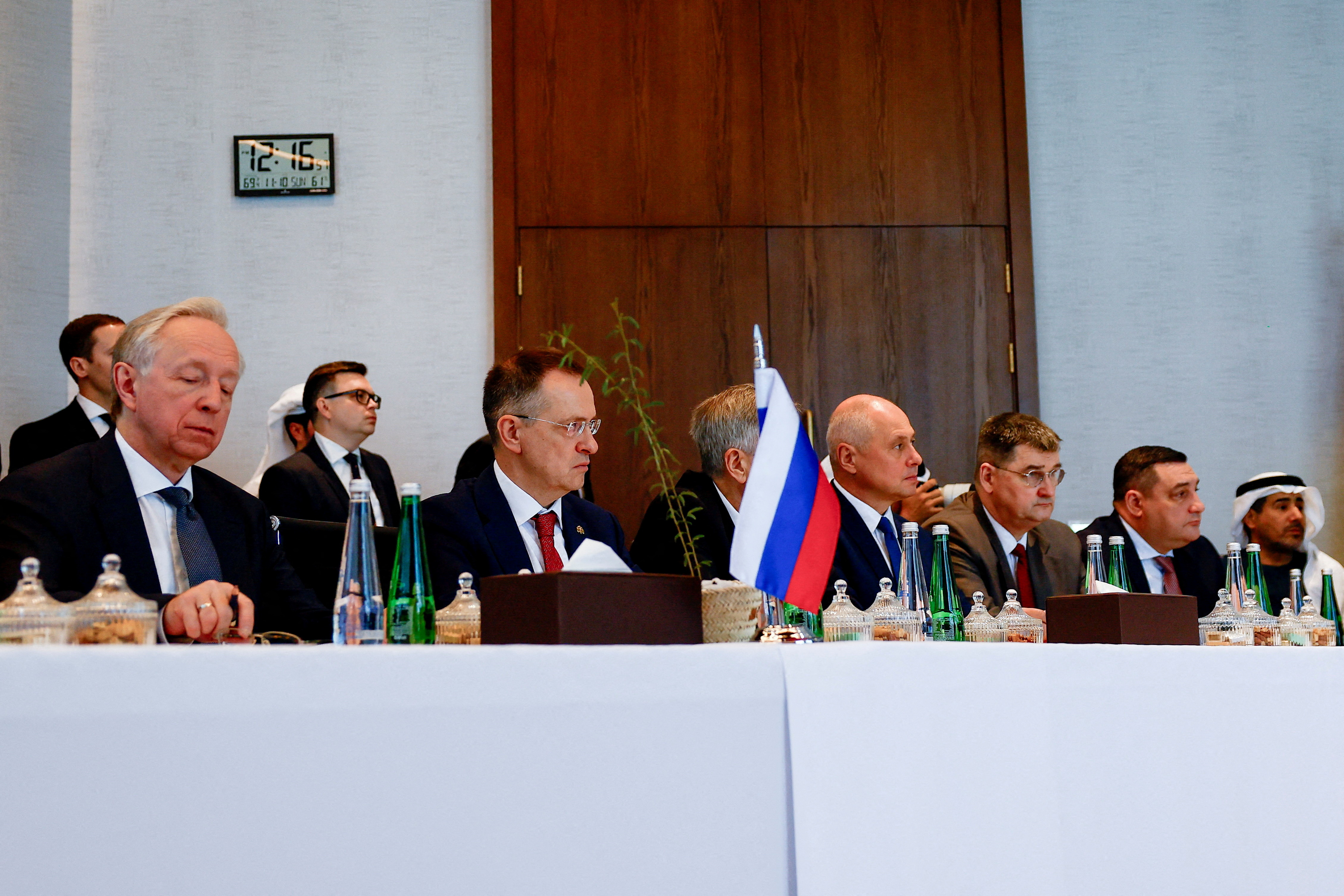
Ukraine Peace Push Gains Momentum as Europe Opens Door to Russia Talks: The diplomatic efforts to end the Russia-Ukraine war may be entering a new phase as European leaders signal their readiness to engage directly with Moscow in negotiations aimed at securing peace. After months of diplomatic uncertainty, Europe appears increasingly determined to have a direct role in shaping any agreement that could bring an end to the conflict, now in its fourth year.
The discussions also highlighted the growing involvement of US President Donald Trump, whose administration has been pushing for a negotiated settlement with Russian President Vladimir Putin. However, significant disagreements remain over territorial concessions, security guarantees for Ukraine, and the future role of NATO.
Europe’s message is becoming increasingly clear: it is prepared to talk to Russia, but it does not want a peace agreement negotiated without Ukraine or European participation.
Europe Signals Readiness for Direct Talks With Moscow
The Berlin summit, attended by members of the Coalition of the Willing, brought together key European leaders and representatives of Ukraine’s international partners to discuss diplomatic efforts and long-term security arrangements.
British Prime Minister Andy Burnham said Europe had a clear, consistent, and united negotiating position, signalling that European governments were prepared to participate in discussions with Moscow.
German Chancellor Friedrich Merz also expressed openness to serious negotiations on European security but warned that Russia’s demands were not realistic.
Merz stressed that discussions could move forward only if they were accompanied by meaningful negotiations on a peace agreement with Ukraine.
His remarks reflected Europe’s broader position that ending the war cannot come at the expense of Ukrainian independence or security.
European leaders want a diplomatic solution, but they are also seeking guarantees that a potential agreement will not simply create the conditions for another conflict.
Trump-Putin Discussions Bring New Diplomatic Attention
The latest diplomatic developments followed a high-profile meeting between Trump, Putin, and Chinese President Xi Jinping in Shenzhen, southeastern China.
The discussions attracted international attention because of the involvement of three major global powers in conversations surrounding the war in Ukraine and broader international security.
Following the meeting, Trump joined the Berlin summit remotely from Air Force One, while his son-in-law Jared Kushner, one of the US representatives involved in the diplomatic process, addressed reporters.
Kushner said Trump believed peace was achievable and wanted to reach an agreement with Moscow with Europe participating in the process.
He also suggested that Russia was becoming more comfortable with the possibility of Ukraine receiving security guarantees inspired by NATO’s Article 5.
The development could represent an important point in negotiations, although the details and enforceability of any such guarantees remain unclear.
For Washington, bringing the different sides closer to an agreement is becoming a central diplomatic objective. For Europe, however, the challenge is ensuring that any settlement reflects the security interests of both Ukraine and the wider continent.
Putin Says Russia Is Open to European Participation
Russian President Vladimir Putin has so far resisted European involvement in US-led peace negotiations, raising questions about whether Moscow is genuinely prepared to accept a broader diplomatic format.
However, following his discussions with Trump and Xi, Putin indicated that Russia was not necessarily opposed to European participation.
He said Moscow wanted to understand what European governments would bring to the negotiations before deciding how discussions could proceed.
Putin also revealed that Russia had invited European representatives to Moscow through diplomatic channels to clarify their positions.
His comments suggested a possible opening for dialogue, although they did not amount to an agreement on a new negotiating framework.
Putin continued to insist that Russia was interested in ending the conflict and claimed Moscow was willing to consider compromises.
At the same time, he questioned European security concerns, arguing that Russia had no intention of attacking other countries.
These statements come against the backdrop of continued Russian military operations in Ukraine, making Moscow’s willingness to compromise a central question for Kyiv and its European partners.
Ukraine Demands Security Guarantees Before Any Peace Deal
For Ukrainian President Volodymyr Zelensky, the most important issue remains ensuring that any peace agreement provides lasting protection against future Russian aggression.
Ukraine has repeatedly sought security guarantees comparable to NATO’s Article 5, which establishes a collective-defence commitment among alliance members.
Such guarantees could provide Kyiv with assurances that its international partners would respond if Russia launched another attack.
However, the proposal remains politically and diplomatically complicated.
Russia has consistently opposed Ukraine’s membership in NATO, while reports suggest US negotiators have explored alternative security arrangements that could offer Kyiv similar protections without formal alliance membership.
The question of territory is equally sensitive.
Russia continues to demand recognition of its control over occupied Ukrainian territory, while Kyiv has resisted concessions that would undermine its territorial integrity.
Zelensky made his position clear during the Berlin discussions, expressing scepticism about Moscow’s willingness to accept meaningful compromises.
He argued that Putin had repeatedly rejected proposals aimed at ending the war.
For Ukraine, a peace agreement without credible security guarantees could leave the country vulnerable to renewed military aggression.
Merz Warns Against a Peace Deal Without Europe
German Chancellor Friedrich Merz used the Berlin summit to underline the importance of European participation in any future settlement.
He argued that negotiations involving only major powers would not provide a sustainable solution to the conflict.
Referring to the post-Second World War Yalta arrangements, Merz warned that a similar approach would not bring lasting peace.
His comments reflected European concerns that decisions about Ukraine’s future should not be made through an agreement between Washington and Moscow alone.
Merz also described the Shenzhen meeting as largely a photo opportunity, while emphasising that the United States understood the importance of European involvement.
French President Emmanuel Macron similarly called for stronger support for Ukraine, particularly through the delivery of air defence systems needed to protect cities and critical infrastructure from Russian attacks.
Macron also urged Ukraine’s allies to reconsider the question of NATO membership.
Polish Prime Minister Donald Tusk, meanwhile, rejected Trump’s description of Putin as a friend, stressing that Russia’s actions continued to pose serious concerns for European security.
Russian Attacks Continue as Diplomatic Efforts Develop
Despite the renewed diplomatic activity, the military situation in Ukraine remains extremely difficult.
Russian forces have continued attacks on Ukrainian energy infrastructure, raising concerns about the impact on civilians as winter approaches.
During the period surrounding the diplomatic meetings, drone strikes damaged buildings in Kyiv’s historic centre.
A residential building in the Podilskyi neighbourhood was struck, killing one person. The Dutch and Austrian embassies also reported damage, as did Saint Volodymyr’s Cathedral.
The attacks highlighted the contrast between diplomatic discussions and the continuing reality of the war.
Putin also threatened a significantly stronger response to a Ukrainian strike on the Crimean Bridge, which connects Russia with occupied Crimea.
He said Moscow had considered a possible ceasefire in several areas but decided against it following the bridge attack.
These developments have reinforced concerns among Ukraine and its European partners that diplomatic statements alone will not be enough to secure a lasting end to the conflict.
Can Europe, the US and Russia Find Common Ground?
The latest developments suggest that diplomatic channels remain active, but major obstacles continue to stand in the way of a settlement.
The United States wants to bring Moscow and Kyiv closer to an agreement, while European governments are seeking a meaningful role in negotiations and stronger security arrangements.
Russia, meanwhile, continues to maintain demands that Ukraine and its allies consider unacceptable.
Three major questions will shape the next stage of diplomacy:
- Territorial issues: Will Russia reconsider its demands over occupied Ukrainian territory, and what concessions, if any, could Ukraine accept?
- Security guarantees: Can the US and European governments establish credible arrangements to protect Ukraine against future attacks?
- European participation: Will Moscow agree to a broader negotiating framework that gives European governments a formal role?
The answers will determine whether the current diplomatic momentum can translate into concrete progress.
A New Chapter in the Search for Ukraine Peace
Europe’s willingness to engage directly with Russia represents an important diplomatic development, particularly after repeated disagreements over who should participate in negotiations.
However, the gap between the positions of Moscow, Kyiv, Washington, and European capitals remains substantial.
Trump’s diplomatic efforts have created another channel for discussions, while Putin’s comments have left open the possibility of greater European involvement. Yet continued fighting, disagreements over territory, and uncertainty surrounding security guarantees remain major barriers.
For Ukraine, the priority is not simply ending the war but ensuring that peace does not leave the country exposed to another invasion. For Europe, the stakes extend beyond Ukraine’s borders to the future of continental security.
The door to negotiations may be opening, but whether it leads to a lasting peace agreement will depend on what Russia, Ukraine, the United States, and Europe are ultimately prepared to accept.


