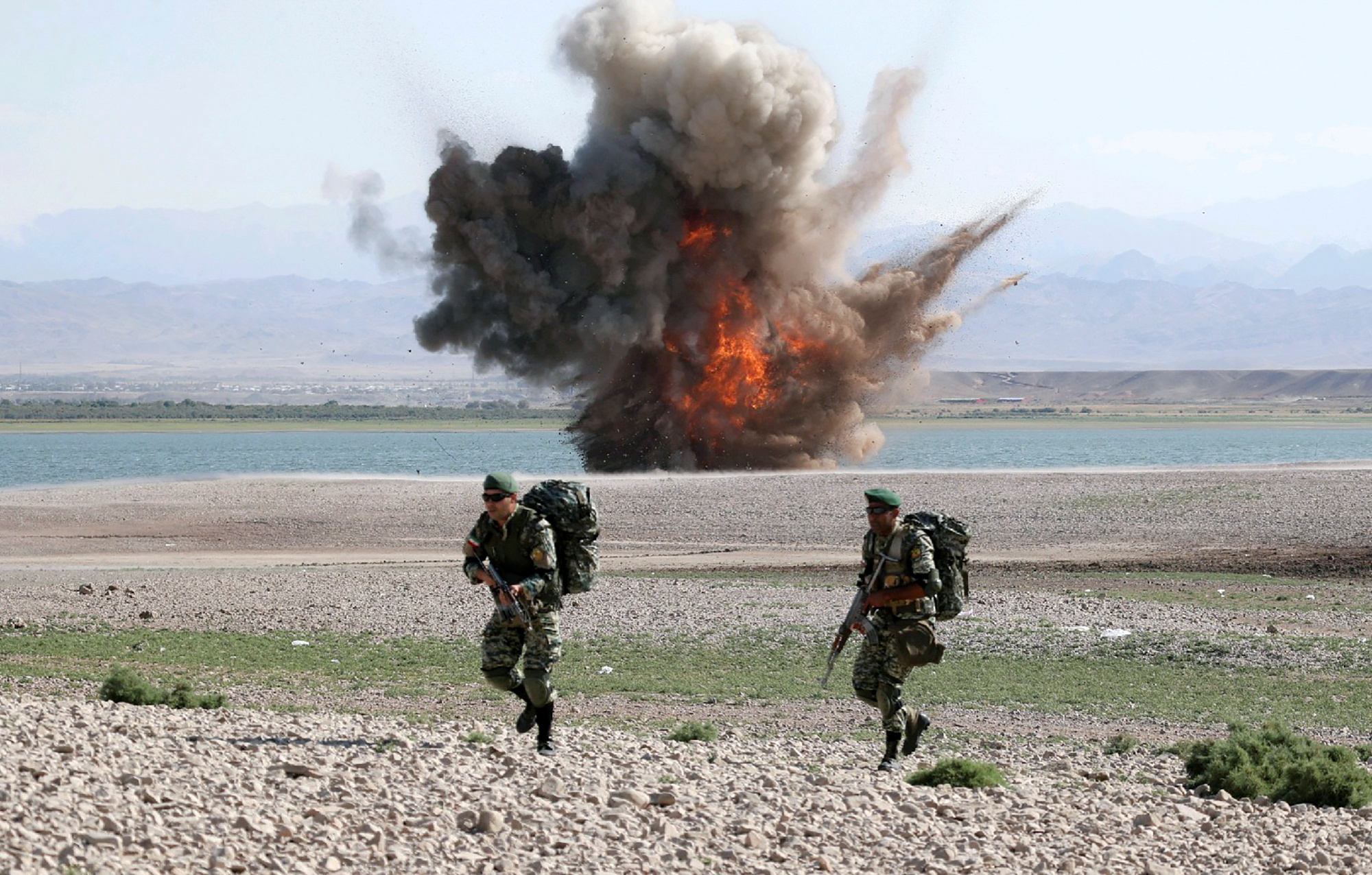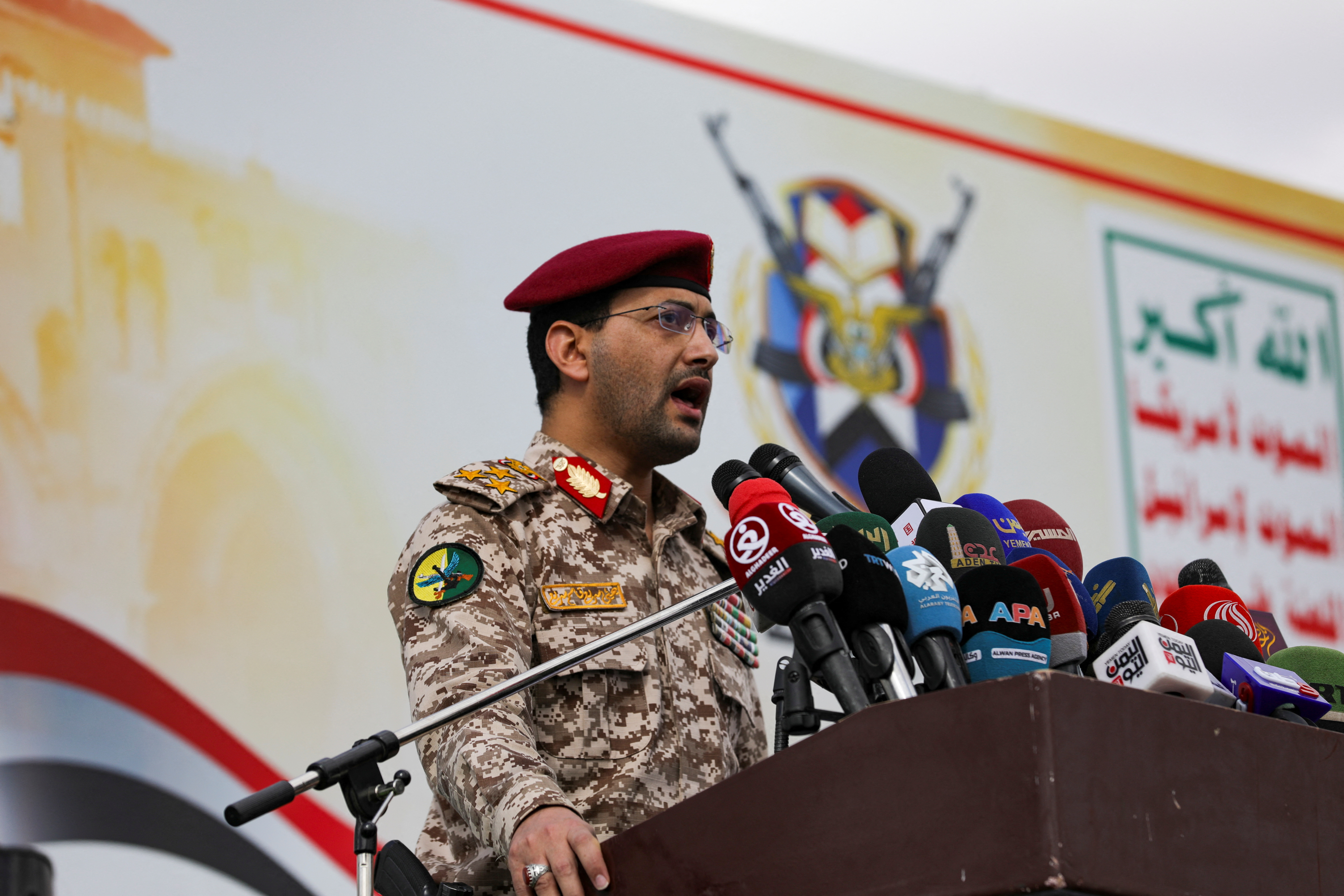
What Ansar Allah’s Attack on Israel Means for Regional Tensions- Tensions in the Middle East escalated sharply after Yemen’s Ansar Allah claimed responsibility for a missile strike targeting Israeli sites in the city of Jaffa. The announcement, delivered by the group’s military spokesperson, Brigadier General Yahya Sare’e, framed the operation as part of a coordinated effort in support of resistance movements across the region, including forces in Iran, Iraq, Palestine, and Lebanon.
Sare’e emphasized that the missile attack was carried out in coordination with “brother mujahideen in Iran and Hezbollah in Lebanon,” and he claimed that the operation successfully achieved its objectives. The statement further suggested that this strike represents just the beginning of a broader engagement, warning that Ansar Allah’s involvement in the ongoing conflict could expand based on Israel’s response.
The move by Ansar Allah comes in the context of a growing regional alignment of armed groups opposed to Israel and the United States. Over the past months, Hezbollah and Iraq’s Popular Mobilization Forces have increased their activities, joining what is often referred to as an Iran-backed Axis of Resistance. The Yemeni group’s entry into this coalition signals a widening of the conflict, with implications that stretch far beyond local or national boundaries.
One immediate impact of the attack is its potential to increase volatility in an already fragile region. The Strait of Hormuz and other strategic locations are already under pressure from regional disputes, and the expansion of active participants raises the risk of escalation. Missile strikes targeting Israeli territory heighten the likelihood of retaliatory actions, which could trigger a broader military cycle involving multiple countries and non-state actors.
Ansar Allah’s statement also reflects a calculated messaging strategy. By emphasizing both its willingness to escalate and its readiness to respond to Israel’s choices, the group signals that it is not acting recklessly, but rather positioning itself as a strategic player capable of measured responses. This dual approach is designed to project strength while leaving room for negotiation or de-escalation, depending on how events unfold.
The inclusion of Yemen in the broader conflict carries additional strategic weight. Yemen’s geographic position along the Red Sea and near vital shipping lanes gives Ansar Allah the ability to influence maritime routes that are crucial to global trade and energy markets. While the current strike was directed at Israeli territory, the group’s broader capabilities raise concerns about potential disruption to shipping or other infrastructure in the region.
Beyond immediate military considerations, the expansion of the conflict also has political and symbolic significance. Ansar Allah’s public alignment with Iran, Hezbollah, and other resistance groups reinforces the narrative of a regional axis united against Israel and Western influence. This could embolden other actors in the region to adopt similar positions, further polarizing the political landscape and complicating diplomatic efforts.
At the same time, questions remain about the practical effectiveness of the attack. Independent verification of the strike and its impact is limited, and Israeli authorities have not confirmed details of any damage. In modern conflicts, claims of successful operations can serve as powerful psychological and propaganda tools, even when physical effects are minimal. By asserting its capability to strike Israeli targets, Ansar Allah is projecting influence and demonstrating operational reach to both domestic and international audiences.
The timing of the announcement is also notable. It follows closely on the heels of Ansar Allah formally declaring its role in the Iran-led coalition, marking a shift from a primarily Yemen-focused organization to an active participant in a broader regional struggle. Analysts suggest that this may signal a deliberate effort to increase the group’s relevance and bargaining power in regional politics, positioning it alongside established actors like Hezbollah and the Popular Mobilization Forces.
However, the entrance of a new player into the conflict carries risks. Coordination among multiple armed groups across different countries can be challenging, and the potential for miscommunication or miscalculation grows as more actors become involved. Any escalation could quickly spiral beyond the original theaters of conflict, drawing in external powers and creating broader instability across West Asia.
For Israel, the attack represents another layer of security concern. Defense planning must now account not only for threats from traditional adversaries but also for emerging actors with new capabilities and regional alliances. Similarly, for countries in the Gulf and beyond, the widening conflict underscores the fragility of regional security and the potential for disruptions to trade, energy supplies, and political stability.
In conclusion, Ansar Allah’s missile strike on Israel signals more than a single tactical operation—it reflects a deepening and expanding regional conflict. The group’s integration into the Iran-led Axis of Resistance, coordination with allies like Hezbollah, and geographic reach suggest that the Middle East may be entering a period of heightened volatility. While the immediate consequences may be limited, the symbolic and strategic implications are profound, reinforcing the potential for escalation and complicating efforts toward diplomatic resolution. The coming weeks will be critical in determining whether this latest move leads to further confrontation or if avenues for restraint and negotiation can still be maintained.
The Geography That Makes Iran Nearly Impossible to Conquer | Maya