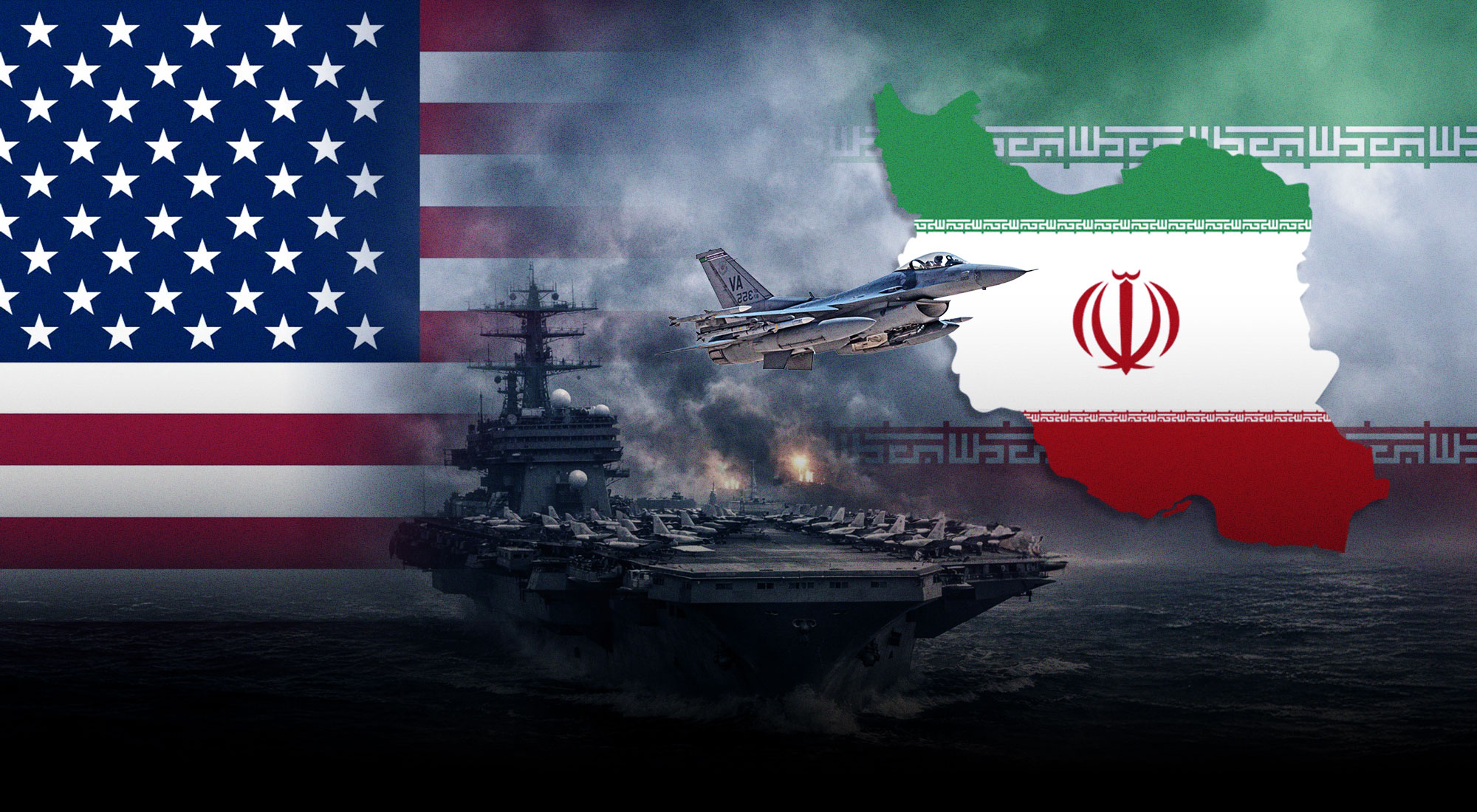
Renewed Military Clashes Between U.S. and Iran Shake Region: Renewed military confrontations between the United States and Iran have sharply increased tensions across the Middle East, with both sides engaging in a series of limited but escalating strikes. These actions come despite ongoing diplomatic efforts and a fragile understanding aimed at preventing a full-scale war. The situation remains volatile, with each new incident raising concerns that the conflict could widen beyond control.
The latest escalation began after Iran reportedly shot down a U.S. surveillance drone operating in the region. In response, the United States carried out targeted military strikes on Iranian-linked facilities. According to military statements, these operations focused on radar installations, drone control infrastructure, and air-defense systems located near key strategic areas including sites close to the city of Geruk and on Qeshm Island. The U.S. described these targets as part of systems that could threaten commercial and military navigation in surrounding waters.
U.S. officials characterized the strikes as “measured and defensive actions”, emphasizing that they were intended to reduce immediate threats rather than expand the conflict. The targeted infrastructure was reportedly linked to surveillance and drone operations that the United States believed posed risks to shipping activity in the region, particularly near vital maritime corridors.
Iran, however, responded quickly and forcefully. Iranian authorities claimed responsibility for missile attacks directed toward U.S. military positions in neighboring Kuwait. While the United States and regional partners reported intercepting these missiles before they reached their intended targets, the exchange marked a significant escalation in direct confrontation between the two countries. Iran framed its actions as retaliation for earlier strikes, while U.S. officials described them as unsuccessful attacks that were neutralized without damage or casualties.
These back-and-forth actions highlight a growing pattern of retaliatory military exchanges, where both sides respond to perceived provocations with limited strikes that stop short of full-scale warfare. Despite avoiding all-out conflict, the repeated nature of these incidents has created a persistent atmosphere of instability and uncertainty across the region.
Beyond direct military engagement, the broader strategic environment has also been affected, particularly in the waters of the Strait of Hormuz. This narrow maritime passage is one of the most important global energy routes, carrying a significant portion of the world’s oil shipments. In recent days, traffic through the strait has declined dramatically as shipping companies increasingly avoid the area due to security risks.
Reports indicate that the number of commercial vessels passing through the waterway has dropped to a fraction of normal levels. This disruption is largely attributed to heightened fears of attacks, missile activity, and the possibility of interception or harassment of ships. As a result, global energy markets have begun to experience upward pressure on prices, with concerns growing about supply stability if disruptions continue.
The economic implications extend far beyond the immediate region. Any prolonged instability in the Strait of Hormuz has the potential to affect global fuel prices, transportation costs, and broader supply chains. Energy-importing countries are particularly vulnerable, as even minor disruptions in shipping can translate into significant market volatility.
At the same time, the conflict is not limited to U.S.–Iran tensions alone. The wider region is experiencing multiple overlapping confrontations that are contributing to instability. One of the most significant of these is the ongoing conflict between Israel and Hezbollah. Despite a nominal ceasefire agreement, fighting has continued along the Israel-Lebanon border, with both sides conducting drone and missile operations.
Hezbollah, which maintains close ties with Iran, has continued launching aerial drones and other projectiles toward Israeli positions. Israel, in turn, has expanded its military activity deeper into Lebanese territory, intensifying fears that the conflict could broaden further. The involvement of Iran-aligned groups adds another layer of complexity, effectively linking multiple regional fronts into a single, interconnected security crisis.
This multi-theater escalation has raised concerns among international observers that the Middle East is entering a period of prolonged instability. The overlapping conflicts involving state and non-state actors create a situation where localized incidents can quickly trigger wider reactions. In such an environment, even small miscalculations or unintended strikes could lead to rapid escalation.
Despite these tensions, diplomatic efforts have not completely halted. Communication channels between the United States and Iran reportedly remain open, with indirect discussions continuing through intermediaries. Both sides have also expressed, at least publicly, a desire to avoid full-scale war. However, the repeated cycle of strike and retaliation continues to undermine confidence in any lasting agreement.
One of the key challenges is the lack of trust between the two sides. Each incident reinforces existing suspicions and increases pressure on political and military leadership to respond decisively. This creates a dangerous feedback loop in which limited strikes intended as deterrence instead risk provoking further escalation.
Another critical factor is the role of regional allies and proxy groups. The involvement of actors such as Hezbollah means that even if direct U.S.–Iran escalation slows, related conflicts can continue independently, still influencing broader regional stability. This interconnectedness makes de-escalation significantly more difficult.
As the situation stands, the region is facing a complex and unstable balance. On one hand, there is ongoing diplomatic engagement aimed at preventing a larger war. On the other hand, continued military activity suggests that the underlying tensions remain unresolved. The combination of direct strikes, proxy conflicts, and maritime disruption has created a highly fragile security environment.
In summary, the renewed clashes between the United States and Iran reflect a broader pattern of escalating regional tensions that extend far beyond bilateral relations. With retaliatory strikes continuing, maritime routes under pressure, and proxy conflicts intensifying, the Middle East remains at risk of further instability. Unless diplomatic efforts gain stronger traction or military activity is significantly restrained, the cycle of escalation is likely to continue, keeping the region on edge. Rising Anti-Migrant Sentiment in South Africa Fuels Protests, Political Tensions, and International Concern | Maya
;img.crop(width:1080%2Cheight:608) "Hope in Sharm el-Sheikh: Inside the Israel–Hamas Peace Talks")