Does satellite heat affect Earth’s upper atmosphere? Yes, satellites do produce heat, but they do not significantly warm or alter Earth’s upper atmosphere in any meaningful way. The effect exists in a physical sense, but it is extremely small compared to natural processes that already control atmospheric temperature.
To understand this properly, it helps to break the idea into three parts: what satellites heat, how that heat behaves in space, and how it compares to natural atmospheric heating.
What part of the atmosphere are we talking about?
Earth’s atmosphere is layered. The “upper atmosphere” usually refers to the thermosphere and exosphere, starting roughly above 80–100 km altitude. This is where many satellites operate, including the region of low Earth orbit.
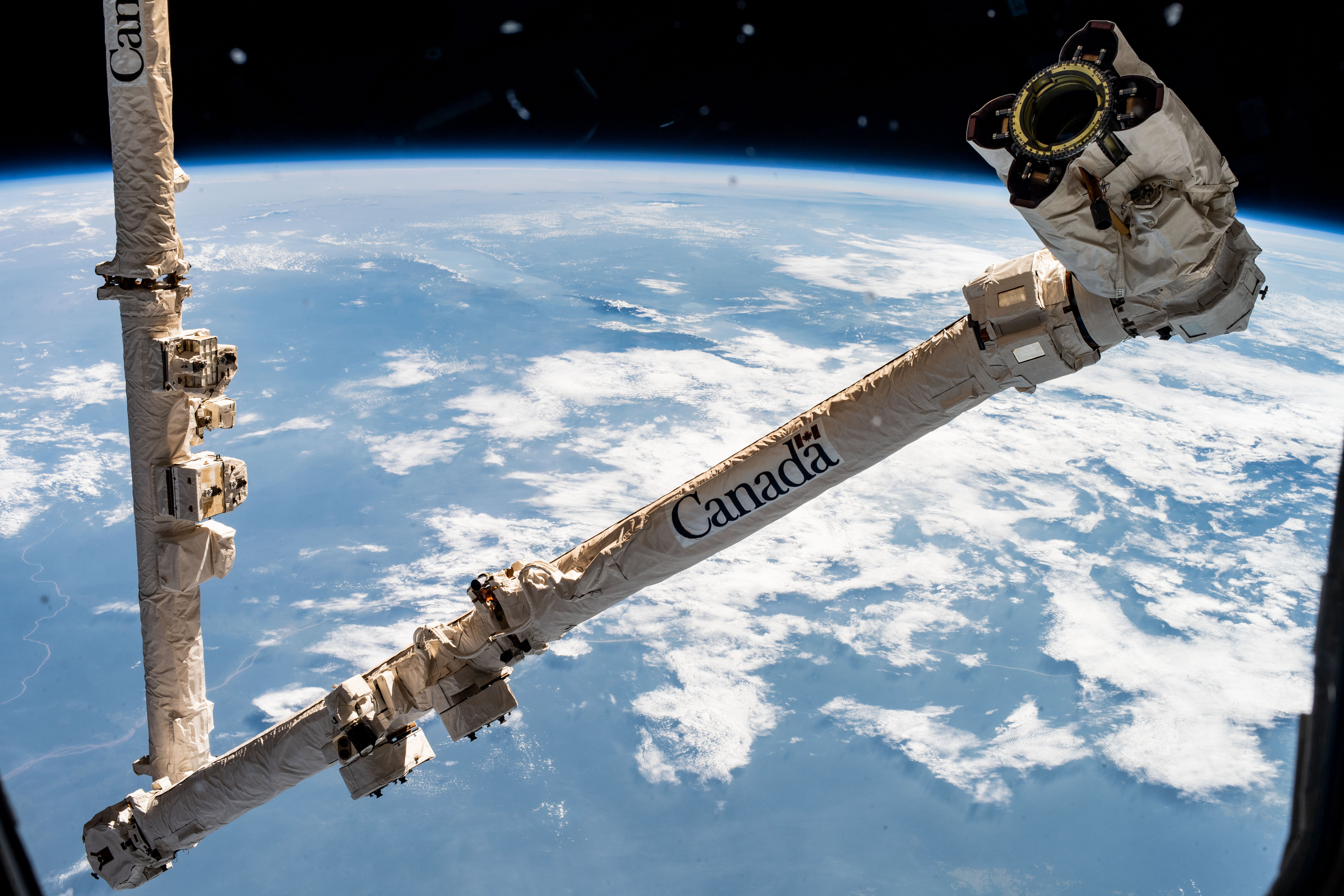
A well-known example is the International Space Station, which travels through the thermosphere at around 400 km above Earth.
At this height, the air is extremely thin. In fact, it is so thin that it behaves more like individual particles drifting in space rather than a continuous gas like we experience on the ground.
Do satellites generate heat?
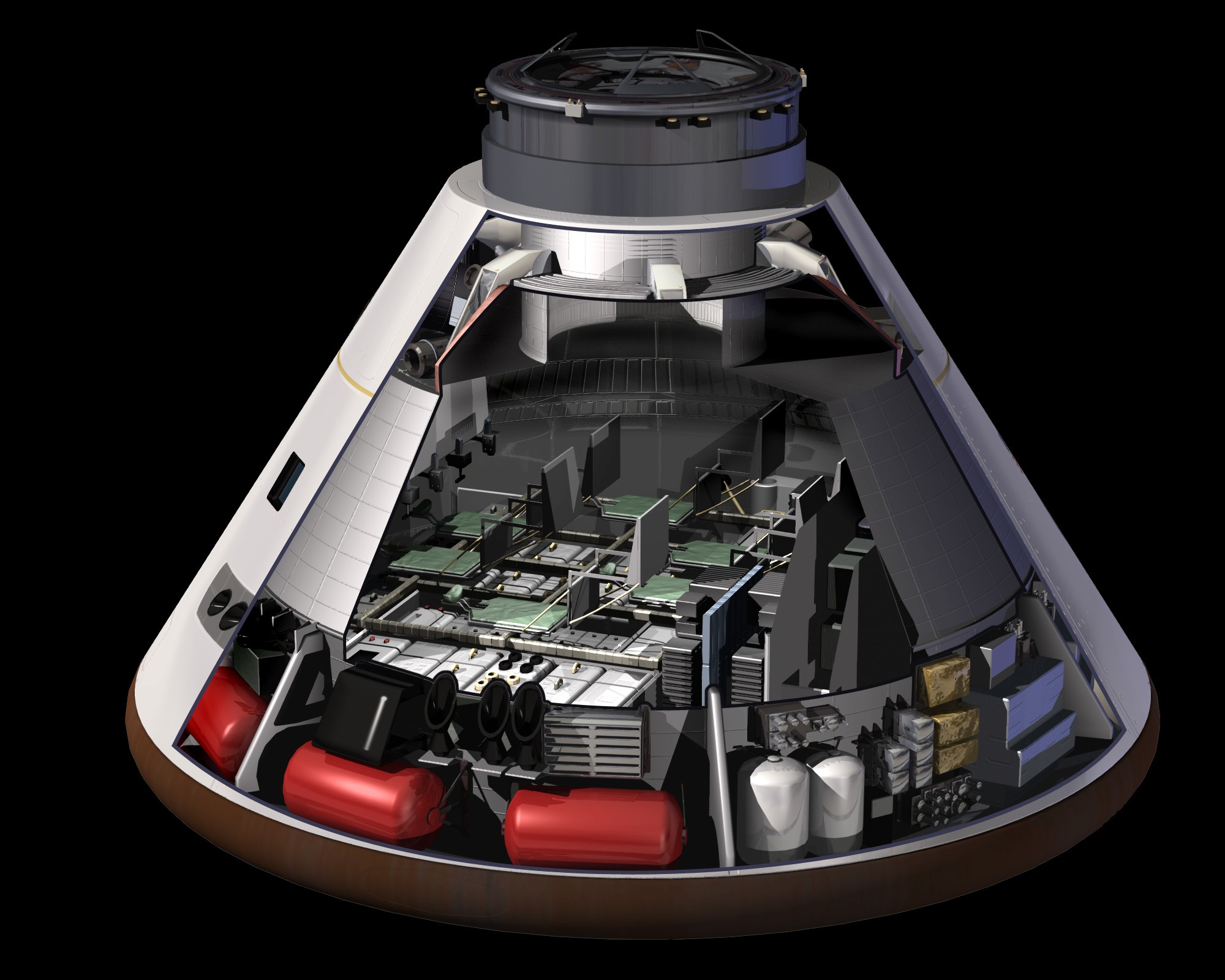
Satellites do generate heat internally. The main sources are:
- Electronic systems such as computers, sensors, and communication equipment
- Batteries and power systems
- Absorption of solar radiation from the Sun
However, satellites do not “release heat into the air” in the way machines do on Earth. In space, there is almost no air to carry heat away. Instead, heat moves mainly through radiation, meaning satellites cool themselves by emitting infrared energy into space.
So satellites are constantly balancing temperature: they heat up when absorbing sunlight and cool down by radiating energy outward.
Does this heat affect the upper atmosphere?
In practical terms, the answer is no.
Even though satellites produce heat, the total amount is extremely small compared to the energy Earth receives from the Sun. The Sun continuously delivers vast amounts of energy that dominate the temperature and behavior of the thermosphere.
To put it in perspective:
- The Sun is the primary driver of temperature in the upper atmosphere
- All human-made satellites combined contribute a negligible amount of energy in comparison
- The difference is so large that satellite heat is not considered a factor in atmospheric climate or structure
Because of this, satellite-generated heat does not measurably change atmospheric temperature or circulation patterns.
What about the International Space Station?
The International Space Station does generate continuous heat due to human presence and onboard systems. This includes body heat from astronauts, operating instruments, and electrical equipment.
However, the station is designed with thermal control systems that transfer heat to radiators. These radiators emit the heat as infrared radiation directly into space. The heat does not accumulate in the surrounding atmosphere because the surrounding air is extremely sparse and does not retain or circulate heat effectively.
As a result, even one of the largest human-made structures in orbit has no meaningful warming effect on the upper atmosphere.
Do rocket launches and re-entries have an effect?
Rocket launches and satellite re-entries do interact with the upper atmosphere more directly, but their impact is still limited.
During a rocket launch, exhaust gases are released into the atmosphere. This can create temporary local heating and chemical changes, but these effects are short-lived and spread out quickly.
When satellites re-enter the atmosphere, they heat up due to friction and often burn up. This releases energy and small particles into the upper atmosphere. While visually dramatic, the total energy involved is small compared to natural atmospheric energy flows.
These events are more relevant for atmospheric chemistry and particle composition than for temperature change.
What actually controls upper atmosphere temperature?
The dominant factor is solar activity.
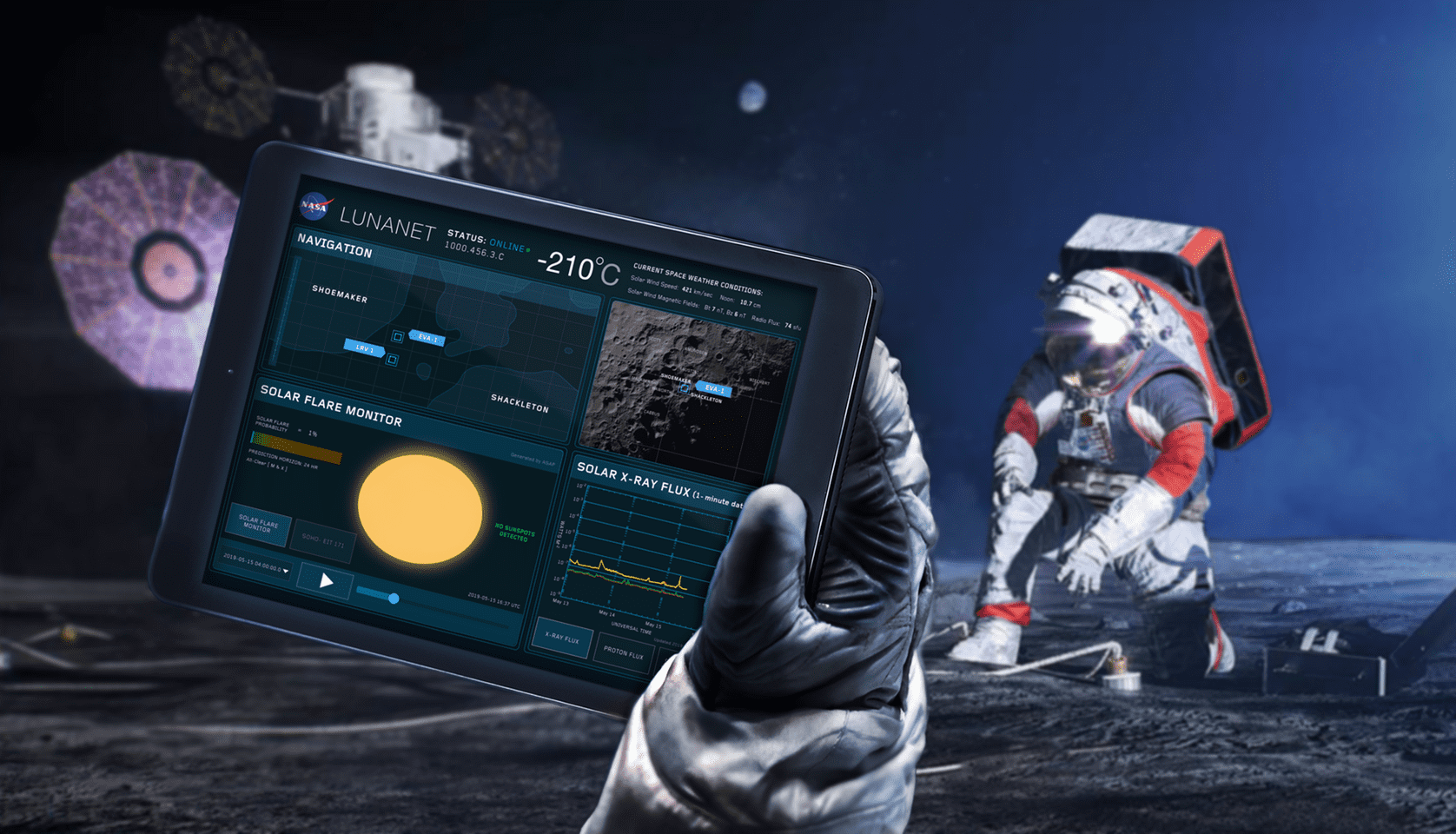
The thermosphere is heated mainly by ultraviolet and X-ray radiation from the Sun. This causes large natural variations:
- During periods of strong solar activity, the thermosphere expands and becomes hotter
- During low solar activity, it contracts and cools
This solar influence is many orders of magnitude stronger than any heat produced by human-made objects in orbit.
Why satellite heat has such a small effect
There are three main reasons:
- Scale
The number of satellites, even with modern mega-constellations, is tiny compared to the size of Earth’s atmosphere. - Distance
Satellites are surrounded by near-vacuum conditions, so heat does not spread into the atmosphere efficiently. - Energy comparison
Solar energy entering Earth’s upper atmosphere dwarfs all human-generated heat in space.
Because of these factors, satellites are not a driver of atmospheric temperature.
Common misunderstanding
It is easy to assume that because thousands of satellites exist, their combined heat might matter. However, in space systems, total number does not translate into significant atmospheric influence. The energy scale is simply too small compared to natural solar forcing.
Another confusion comes from the visual impact of satellite re-entries, which can look like burning objects heating the sky. In reality, this is a brief energy release rather than a sustained atmospheric process.
Could this change in the future?
Even with planned increases in satellite numbers, current scientific understanding suggests that heat from satellites will remain negligible for the upper atmosphere.
More relevant future concerns include:
- Accumulation of debris in orbit
- Chemical effects from re-entering satellite materials
- Space traffic management and collision risks
These issues are considered more significant than thermal effects.
Conclusion
Satellites do produce heat, but that heat is managed locally and radiated into space rather than transferred into Earth’s atmosphere. The upper atmosphere is controlled overwhelmingly by solar radiation, not by human-made objects in orbit.
Even large structures like the International Space Station do not meaningfully influence atmospheric temperature.
In simple terms, satellites are too small and too isolated in space to affect the heat balance of Earth’s upper atmosphere. Do Australia and New Zealand Celebrate Similar Festivals? | Maya