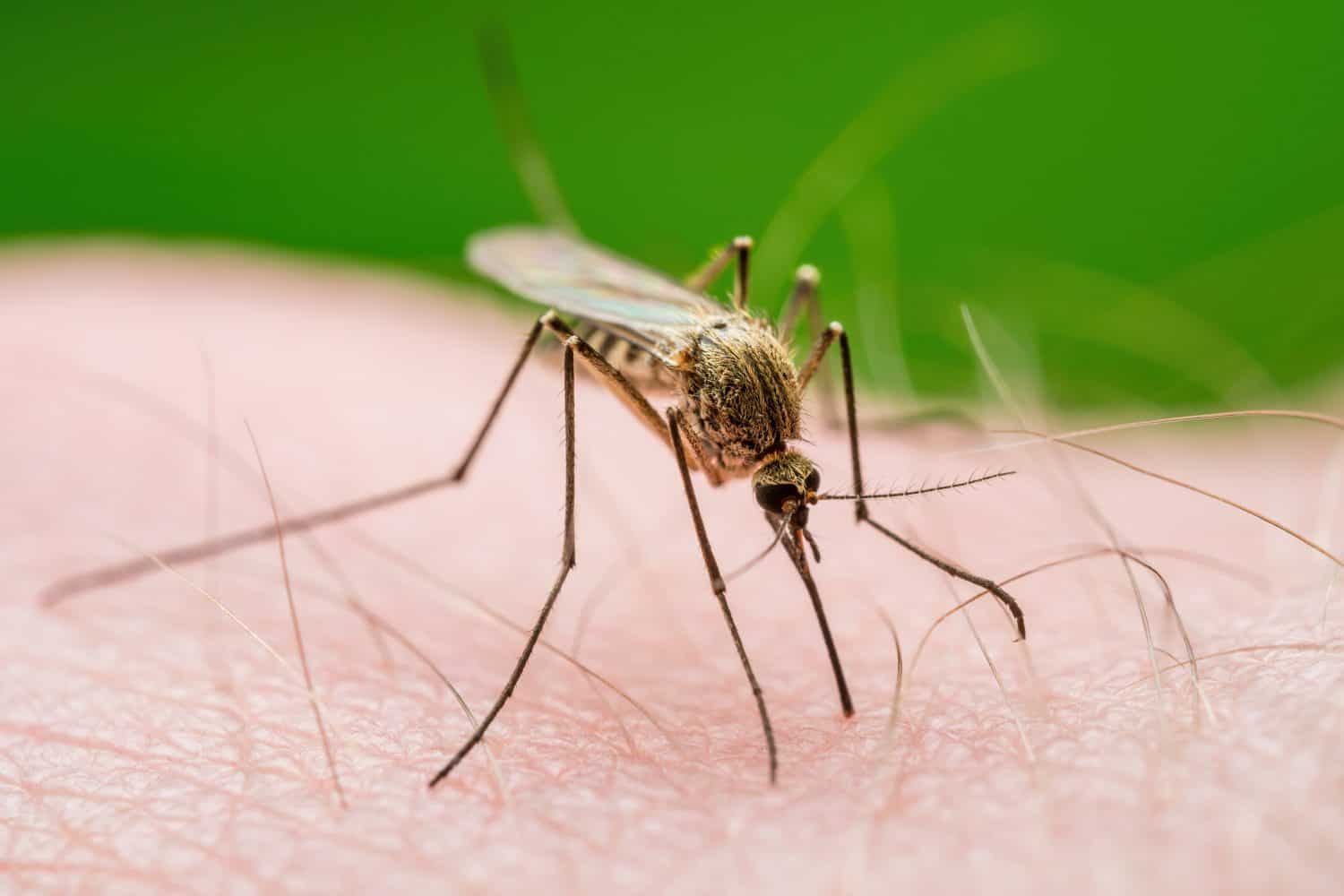
Why Is Google Releasing More Mosquitoes to Fight Mosquitoes?
At first glance, it sounds like a contradiction: if mosquitoes spread dangerous diseases, why would anyone want to release more of them into the environment? Yet that is exactly the approach being pursued through a new public health initiative backed by Google, which is seeking federal approval to breed and release mosquitoes carrying a naturally occurring bacterium that is harmless to humans.
The project, which is being developed in California and Florida, is part of a broader effort to combat mosquito-borne diseases without relying heavily on traditional pesticides. Scientists behind the initiative believe that releasing specially infected mosquitoes could help reduce populations of the species responsible for spreading some of the world’s most dangerous illnesses.
A Tiny Insect With a Massive Impact
Mosquitoes are widely regarded as one of the deadliest animals on the planet. While their bites are often little more than an annoyance, certain species act as carriers for viruses and parasites that cause serious diseases. Every year, millions of people around the world are infected by mosquito-borne illnesses such as West Nile virus, dengue fever, Zika virus, chikungunya, yellow fever, and St. Louis encephalitis.
Public health experts have spent decades searching for effective ways to control mosquito populations. Traditional methods, including insecticides and habitat removal, have achieved varying degrees of success. However, mosquitoes can develop resistance to chemicals over time, while widespread pesticide use can also raise environmental concerns.
As a result, researchers have increasingly turned to biological approaches that target mosquitoes in more precise ways.
How the Strategy Works
The mosquitoes involved in the project carry a bacterium known as Wolbachia, a naturally occurring microorganism found in many insect species. Importantly, the bacterium does not pose a threat to humans, pets, or wildlife.
When male mosquitoes carrying Wolbachia mate with wild female mosquitoes that do not carry the bacterium, the resulting eggs fail to hatch. Over time, repeated releases of these infected males can significantly reduce local mosquito populations.
Because only female mosquitoes bite humans, the release programs primarily focus on male mosquitoes, which feed on plant nectar rather than blood. The goal is not to introduce a new disease or genetically alter people’s environment, but rather to use a naturally occurring biological mechanism to suppress the number of mosquitoes capable of spreading disease.
Why Google Is Involved
Google’s involvement comes through its support for innovative technology and public health projects aimed at solving large-scale problems. The company has increasingly invested in initiatives that combine science, data, and environmental management to address challenges affecting communities around the world.
Supporters of the mosquito project argue that technology-driven biological control methods could become an important tool in the fight against vector-borne diseases. By reducing mosquito populations before outbreaks occur, public health agencies may be able to lower the risk of disease transmission and reduce the burden on healthcare systems.
Potential Benefits
Advocates say the approach offers several advantages over conventional mosquito-control programs.
First, it targets specific mosquito species rather than affecting a wide range of insects. This can help minimize unintended environmental impacts.
Second, the method reduces reliance on chemical insecticides, which may become less effective as mosquitoes develop resistance.
Third, successful population suppression could lower the risk of disease outbreaks in regions vulnerable to mosquito-borne infections.
Researchers also point to previous trials in various parts of the world that have shown promising results, with some programs reporting substantial reductions in mosquito populations after sustained releases.
Questions and Concerns
Despite the potential benefits, the proposal has also attracted scrutiny. Some critics argue that large-scale mosquito-release programs require careful oversight to ensure that ecological consequences are fully understood.
Questions have been raised about long-term environmental impacts, effectiveness across different regions, and whether population reductions can be sustained without continuous releases. Others emphasize the importance of transparency and public engagement before implementing such programs on a larger scale.
Regulatory agencies reviewing the proposal will likely examine scientific evidence, environmental assessments, and public feedback before making any decisions regarding broader deployment.
A New Frontier in Disease Control
The effort reflects a growing shift toward innovative biological solutions for public health challenges. Rather than attempting to eliminate mosquitoes through widespread chemical spraying, scientists are exploring ways to disrupt mosquito populations using methods that work with natural biological processes.
Whether the project ultimately receives approval remains to be seen. However, it highlights how technology companies, researchers, and public health experts are increasingly collaborating to tackle problems that affect millions of people worldwide.
For now, the idea of releasing more mosquitoes to fight mosquitoes may sound unusual. Yet supporters believe that if the strategy proves effective, it could become a powerful new weapon against diseases that continue to threaten communities across the globe. In the battle against one of humanity’s deadliest pests, the answer may not be fewer mosquitoes at the start—but smarter ones. Rackzar Hit by Repeat DDoS Attack as Extortionists Demand Monero Payment in Ongoing South African Cyber Assault Wave | Maya