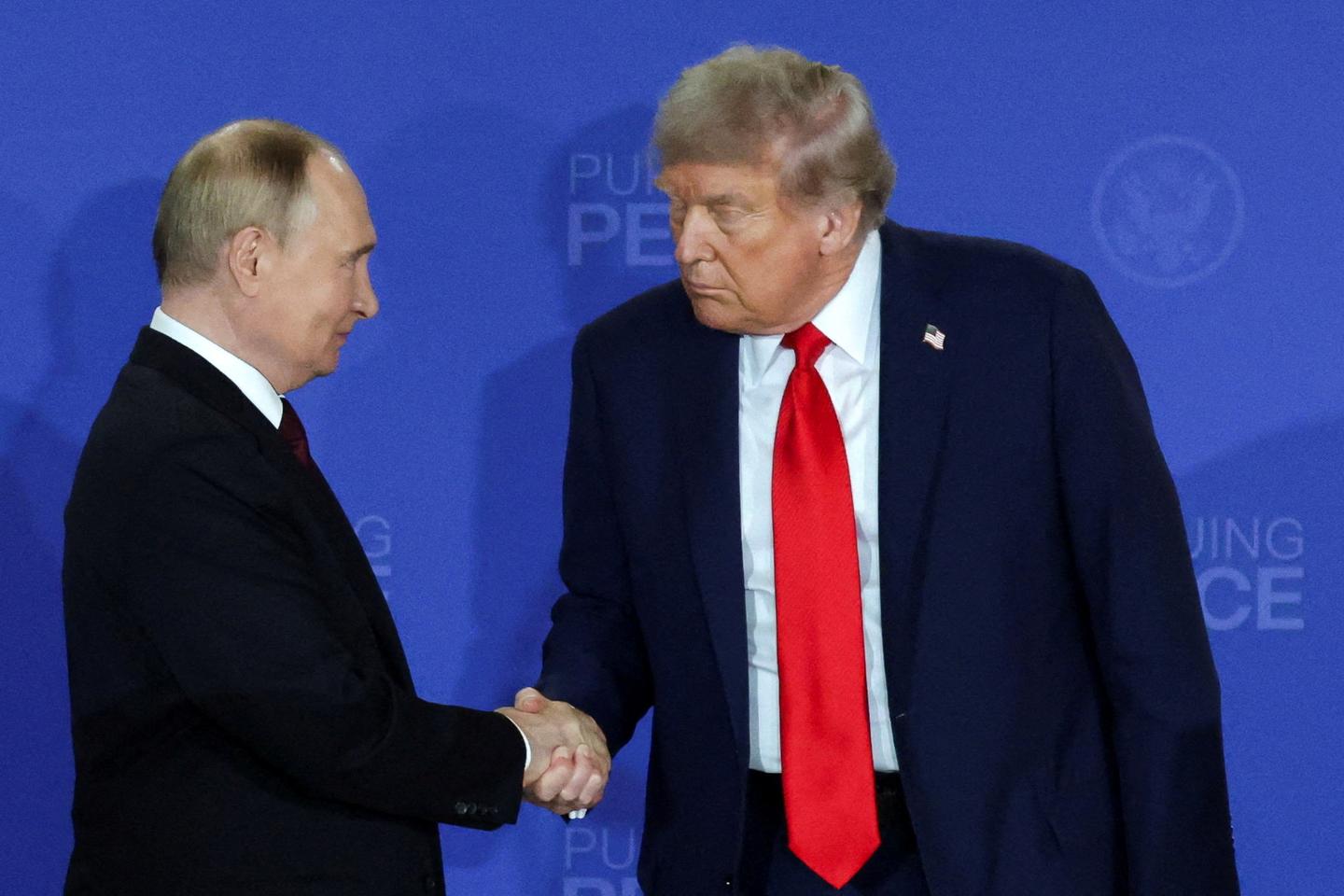
Russia to Supply Diesel to US Under Deal Announced by Trump- US President Donald Trump has announced an agreement with Russian President Vladimir Putin to release millions of tonnes of diesel fuel for the American and international markets, claiming the move could help reduce fuel costs. However, analysts have questioned whether the proposed supplies will be enough to ease the wider global energy crisis.
US President Donald Trump says Russia will begin supplying diesel fuel to the United States and the global marketplace following what he described as a successful discussion with Russian President Vladimir Putin.
The announcement, made by Trump on his Truth Social platform on Friday night, comes as concerns over rising energy costs continue to put pressure on governments, businesses and consumers. Trump said the agreement would increase the availability of diesel and help bring down prices ahead of the US midterm elections in November.
According to Trump, Russia would immediately release more than 300,000 tonnes of diesel fuel into the market. A further 500,000 tonnes would be made available in November, followed by another one million tonnes at a later date.
Trump also said Russia could supply an additional three million tonnes of diesel, depending on the condition of its refineries.
The US president presented the proposed arrangement as a step towards stabilising fuel markets, arguing that increased supplies would benefit American consumers and industries that depend heavily on diesel.
“Lower prices for Americans, especially our Great Farmers, Ranchers, and Truckers, is my Greatest Priority,” Trump wrote in his social media post.
Diesel is a crucial fuel for the transportation of goods, agricultural machinery, construction equipment and several industrial operations. Any sustained increase in its price can raise operating expenses for businesses and contribute to higher costs for consumers.
Speaking to reporters outside the White House on Friday, Trump thanked Putin for the agreement and said the United States was receiving substantial quantities of oil, adding that diesel was the product Washington particularly wanted.
The announcement also comes amid continuing concerns about disruptions to international energy supplies. Trump linked the proposed Russian diesel deliveries to what he described as US “total control” of the Strait of Hormuz, a strategically important waterway through which a significant share of global oil shipments passes.
However, analysts have expressed doubts about whether the agreement will have a substantial effect on the international energy market.
Although additional diesel supplies could provide some relief to buyers, the impact would depend on the volume actually delivered, the speed of shipments and the extent to which the fuel reaches markets facing the greatest shortages.
The global energy crisis is influenced by several factors, including geopolitical tensions, shipping disruptions, refining capacity and changing demand. Consequently, an increase in Russian diesel exports alone may not be sufficient to bring prices down significantly across different regions.
European countries could also complicate the picture. Some European governments may remain unwilling to purchase Russian energy because of political tensions and restrictions associated with Russia’s war in Ukraine. If European buyers avoid the proposed supplies, the market may not benefit from the deliveries in the way Trump anticipates.
The possibility of restrictions on trade, along with transportation and payment challenges, could also affect how quickly the diesel reaches international buyers. The precise terms of the reported agreement and the arrangements for delivering the fuel will be important in determining its practical impact.
For the United States, diesel prices carry particular economic and political significance. Higher fuel costs can increase the expenses faced by farmers, trucking companies and businesses that transport goods across the country. These increases can eventually feed into the prices of food and other essential products.
With the November midterm elections approaching, Trump’s emphasis on lowering fuel costs highlights the political importance of controlling household and business expenses. His administration has presented the reported agreement as a potential way to increase supply and ease pressure on consumers.
Nevertheless, the outcome remains uncertain. The announced volumes are substantial, but their effect will depend on actual deliveries, market conditions and the willingness of international buyers to purchase Russian fuel.
The agreement could provide an additional source of diesel for the United States and other markets. Whether it delivers meaningful price relief, however, will depend on developments across the wider energy sector rather than the announcement alone.
For now, analysts remain cautious about expectations that the proposed Russian supplies will significantly ease the global energy crisis.