Tensions Escalate as U.S. Launches Airstrikes Against Iran- The United States has launched a series of military airstrikes against Iranian targets following the downing of a U.S. Army Apache helicopter near the Strait of Hormuz, marking a significant escalation in tensions between Washington and Tehran.
According to U.S. Central Command (CENTCOM), the strikes were carried out as a “proportional response” to what American officials described as an act of Iranian aggression. The operation reportedly targeted radar installations, air defense systems, surveillance facilities, and ground control stations believed to be linked to Iran’s military infrastructure near the strategic waterway.
The action came after an Apache attack helicopter operating in the region was brought down during a patrol mission. U.S. officials alleged that the aircraft was hit by an Iranian drone, though Tehran has disputed aspects of the American account and denied intentionally targeting the helicopter.
President Donald Trump authorized the strikes after military leaders presented findings from an initial investigation into the incident. While confirming that the helicopter crew survived and was rescued safely, Trump stated that the United States could not ignore an attack on its forces.
“The United States must respond when its service members are placed in danger,” the president said while addressing reporters. He described the military action as necessary to protect American personnel and deter future attacks.
The Strait of Hormuz, where the helicopter incident occurred, remains one of the world’s most strategically important maritime corridors. A substantial portion of global oil shipments passes through the narrow waterway each day, making any military confrontation in the region a matter of international concern.
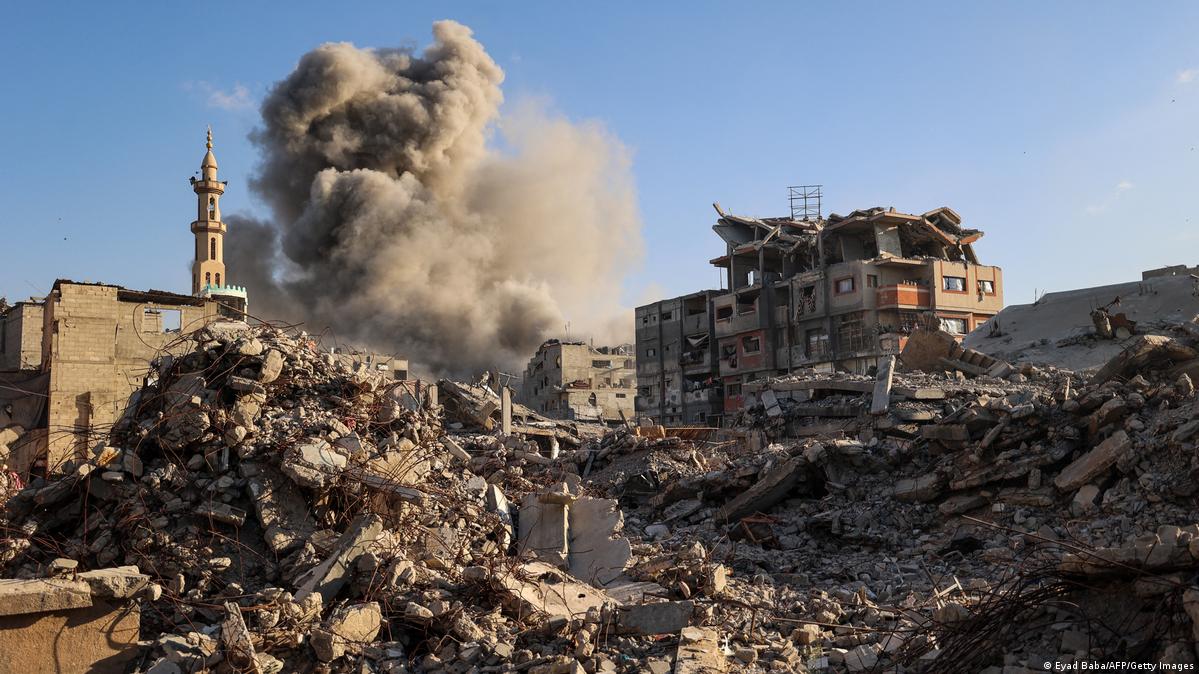
Witnesses and local reports indicated that explosions were heard in parts of Iran’s southern coastal region following the strikes. Iranian state-linked media acknowledged attacks in several areas but provided limited details regarding the extent of the damage.
Iranian officials condemned the U.S. operation and warned that continued military actions could provoke further instability across the Middle East. The country’s leadership accused Washington of inflaming an already fragile security situation and vowed that Iran would defend its sovereignty against foreign aggression.
The latest exchange has raised fears that months of diplomatic efforts aimed at reducing tensions between the two countries may unravel. Analysts note that relations between the United States and Iran have remained volatile despite periodic attempts to establish channels for negotiation and conflict management.
Security experts warn that any prolonged confrontation could have consequences extending far beyond the two nations involved. Regional allies, international shipping routes, and global energy markets could all be affected if hostilities continue to intensify.
Financial markets reacted cautiously to the developments, with investors closely monitoring the possibility of disruptions to oil supplies. Energy analysts have repeatedly emphasized that instability around the Strait of Hormuz often leads to concerns about global fuel prices and supply chain security.
Meanwhile, military observers say the strikes appear designed to send a clear message without triggering a full-scale conflict. By focusing on radar and defensive infrastructure rather than broader strategic targets, Washington may be attempting to demonstrate resolve while limiting the risk of a wider war.
Despite the measured nature of the operation, the possibility of retaliation remains a major concern. Iranian military leaders have previously warned that attacks on the country’s territory would not go unanswered. U.S. forces stationed across the Middle East have reportedly heightened their alert levels amid fears of additional drone or missile attacks.
As both nations exchange warnings and military actions, the international community is urging restraint. Several governments have called for renewed diplomatic engagement to prevent further escalation in a region already burdened by multiple conflicts.
For now, the situation remains fluid. With both Washington and Tehran standing firm in their positions, the coming days could prove critical in determining whether the latest confrontation remains a limited military exchange or develops into a broader regional crisis. OpenAI Moves Toward Public Markets With Confidential IPO Filing | Maya