US Expands Energy Reach with Landmark Venezuela Oil Agreement- The United States has taken a significant step toward strengthening its long-term energy strategy by reaching a landmark oil agreement with Venezuela, according to an announcement by President Donald Trump. The deal, which reportedly provides access to more than 65 billion barrels of Venezuela’s proven oil reserves, has the potential to reshape energy markets, improve supply security, and redefine the economic relationship between the two nations.
If implemented as outlined, the agreement could mark one of the most important developments in the global energy sector in recent years. While many details are still expected to emerge, the announcement has already sparked widespread discussion among investors, policymakers, and energy experts.
A Strategic Shift in US Energy Policy
Energy has always played a central role in global politics and economic growth. Every major economy depends on reliable access to fuel, and governments often seek long-term partnerships to reduce uncertainty in global markets.
By expanding its energy relationship with Venezuela, the United States appears to be pursuing a strategy focused on stability, diversification, and future supply security. Rather than relying heavily on a limited number of suppliers, Washington is broadening its options in a world where geopolitical tensions can quickly disrupt oil markets.
This agreement reflects a practical approach to energy security. Reliable access to large reserves can help protect industries, transportation networks, and consumers from unexpected supply disruptions.
Venezuela’s Vast Oil Wealth
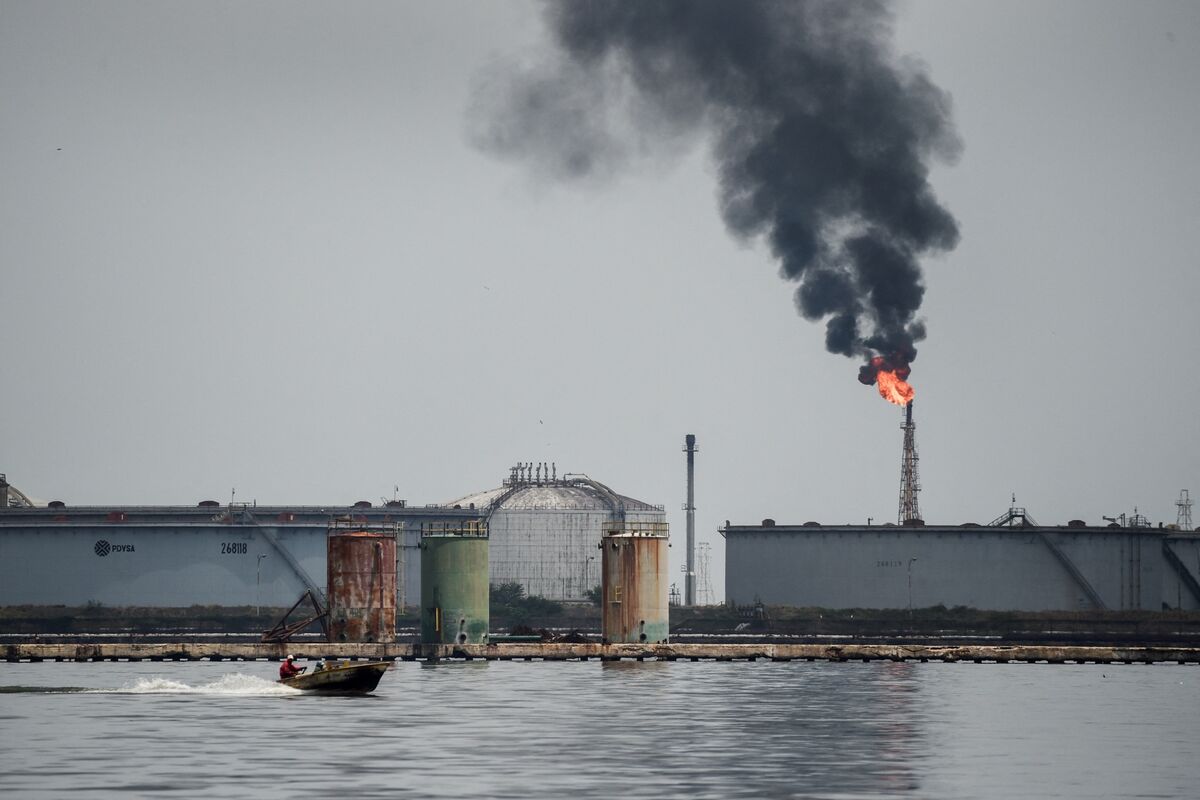
Venezuela possesses some of the largest proven oil reserves in the world. For decades, these resources remained underutilized because of economic instability, political challenges, sanctions, and declining infrastructure.
Despite these setbacks, the country’s enormous reserves have continued to attract international interest.
A renewed partnership with the United States could provide Venezuela with opportunities to modernize its energy infrastructure, increase production, and attract investment that has been absent for years.
For the United States, gaining access to these reserves represents a long-term strategic asset rather than simply increasing today’s oil production.
Economic Opportunities for Both Nations
Large-scale energy agreements rarely benefit only one side.
If managed effectively, increased investment in Venezuela’s oil industry could generate employment, improve production facilities, and stimulate economic activity. Infrastructure upgrades, new drilling technologies, pipeline improvements, and refinery modernization could all contribute to rebuilding an industry that has struggled in recent years.
American energy companies could also benefit by participating in exploration, production, engineering, logistics, and refining operations.
Such investments often create demand for equipment manufacturers, engineering firms, shipping companies, and financial institutions across multiple sectors of the economy.
Greater Stability in Global Oil Markets
Oil prices respond quickly to uncertainty.
Whenever major producers experience conflict, sanctions, or production disruptions, global markets often become volatile. Expanding production capacity in Venezuela could eventually help increase available supplies, easing pressure on international oil prices over time.
Greater supply diversity generally makes markets more resilient. Instead of relying heavily on a few producing regions, additional output from Venezuela could provide another important source of crude oil for global buyers.
Stable energy markets benefit businesses, manufacturers, airlines, transportation companies, and consumers alike.
Strengthening America’s Energy Position
The agreement also reflects America’s broader goal of maintaining its leadership in global energy.
Over the past decade, the United States has become one of the world’s largest energy producers thanks to advances in shale production and technological innovation. Adding strategic partnerships abroad further strengthens that position.
Rather than replacing domestic production, international agreements can complement existing energy resources by providing flexibility and supporting long-term planning.
This balanced approach may help the United States remain competitive while responding to changing global demand.
Opportunities for Technological Collaboration
Modern oil production depends heavily on advanced technology.
American companies possess expertise in seismic analysis, enhanced oil recovery, drilling automation, digital monitoring, environmental management, and refinery efficiency.
If these technologies are introduced into Venezuelan operations, production efficiency could improve significantly while reducing operational risks.
Technology transfer can also support workforce development by providing training opportunities for engineers, technicians, and energy professionals.
A New Chapter in Bilateral Relations
For many years, relations between Washington and Caracas have been marked by political disagreements and economic sanctions.
An energy partnership may create new opportunities for dialogue and cooperation.
Economic collaboration often encourages broader diplomatic engagement by creating shared interests and long-term incentives for maintaining stable relations.
Although political differences may continue, practical cooperation in strategic industries can help build confidence between governments.
Investor Interest Could Rise
Major international energy announcements frequently influence financial markets.
If investors believe the agreement will lead to increased production and stable regulatory conditions, capital could begin flowing into energy infrastructure, logistics, refining, and supporting industries.
Companies involved in pipelines, shipping, engineering services, storage facilities, and equipment manufacturing may all benefit from increased activity.
Investor confidence often grows when governments demonstrate long-term commitment to major infrastructure projects.
Challenges Remain
While the announcement is significant, implementation will require careful planning.
Venezuela’s oil infrastructure will require substantial investment after years of limited maintenance. Production capacity cannot increase overnight, and restoring facilities will likely take time.
Regulatory approvals, commercial agreements, financing, environmental standards, and international legal considerations will all influence how quickly projects move forward.
Both governments will also need to ensure that investments provide lasting economic benefits while maintaining transparency and operational efficiency.
Successfully addressing these challenges will determine whether the agreement reaches its full potential.
Looking Ahead
If successfully implemented, the US-Venezuela oil agreement could become one of the defining energy partnerships of the decade.
For the United States, it offers an opportunity to strengthen energy security, diversify supply sources, and reinforce its influence in global energy markets.
For Venezuela, it could represent the beginning of renewed investment, improved infrastructure, expanded production, and greater economic activity.
The broader global energy market may also benefit from increased production capacity and a more diversified supply network.
While important questions remain regarding implementation and timelines, the announcement signals a willingness to pursue pragmatic cooperation in one of the world’s most strategically important industries.
As governments continue balancing economic growth, energy security, and geopolitical interests, partnerships of this scale are likely to play an increasingly important role in shaping the future of global energy. Whether viewed through an economic, strategic, or diplomatic lens, the agreement represents a notable development with the potential to influence international energy markets for years to come.