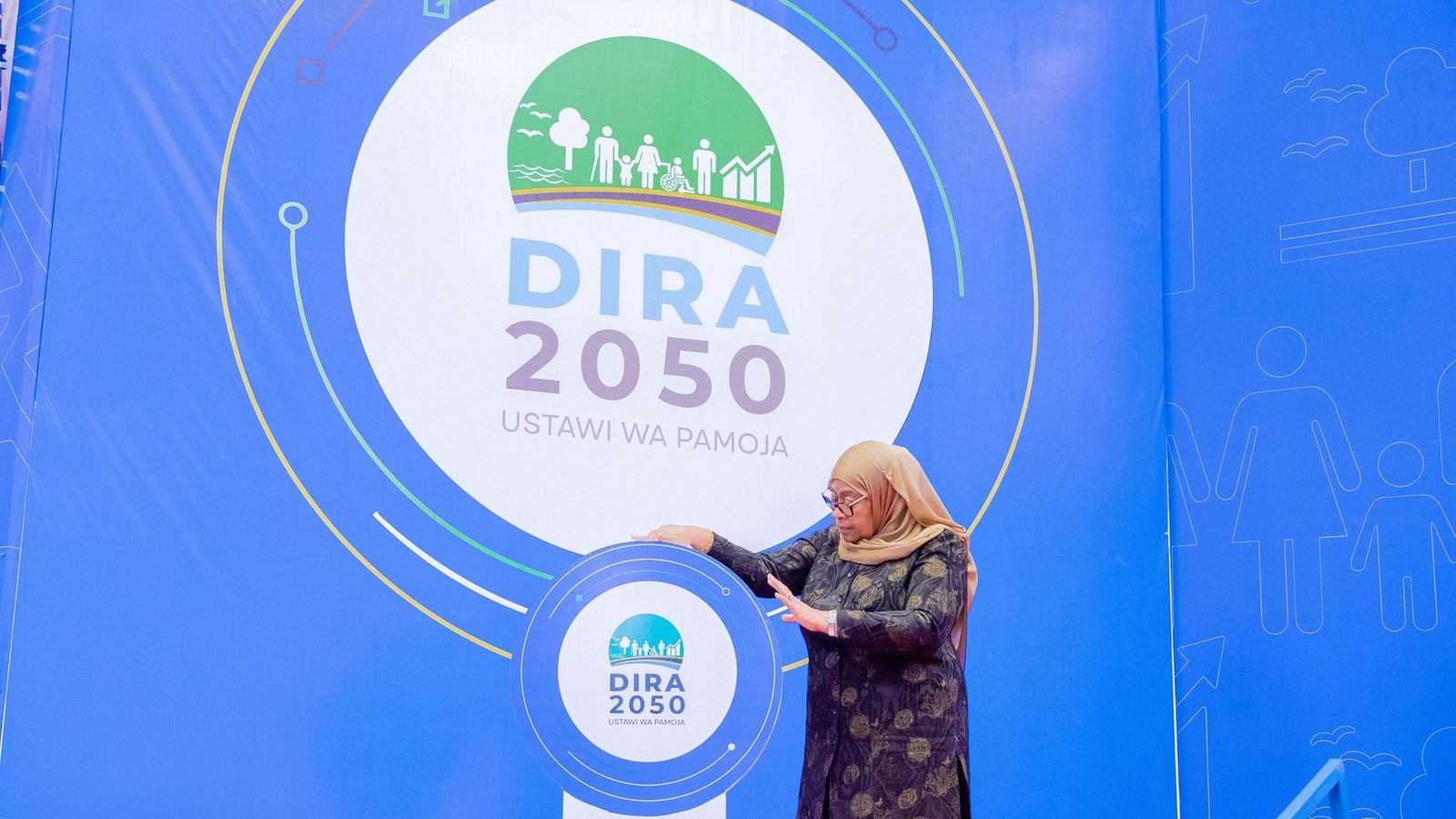
Vision 2050 Must Be Driven by Action, Accountability and Public Trust: The endorsement of four key implementation frameworks for Tanzania’s Vision 2050 marks an important transition from aspiration to action. As the country prepares to officially launch the new development agenda on July 1, the message from the National Planning Commission is unmistakable: Vision 2050 will not be allowed to remain a document of ambitions alone.
The approval of the National Planning Guideline, Development Projects Approval Guideline, Monitoring and Evaluation Framework, and the Five-Year Communication Strategy signals a more structured and accountable approach to national development. These instruments provide something that was largely absent at the start of Vision 2025—an integrated system to guide planning, approve projects, measure progress, and engage citizens.
This is a significant step forward. One of the enduring lessons from long-term development strategies around the world is that success depends not only on the quality of the vision itself but also on the strength of the institutions responsible for implementing it. A vision may set out ambitious goals, but without clear frameworks, measurable targets, and regular assessment, those goals can easily become disconnected from reality.
The National Planning Guideline seeks to ensure that ministries, departments, agencies, regional administrations, and local government authorities align their plans with the broader national vision. This alignment is critical. Development efforts often suffer when institutions pursue objectives in isolation, resulting in duplication, inefficiency, and fragmented outcomes. By creating a common planning framework, Tanzania has an opportunity to ensure that public investments and policy decisions contribute directly to the country’s long-term priorities.
Equally important is the Development Projects Approval Guideline. Public resources are limited, and every major investment must deliver measurable value. A rigorous project approval process can help prevent the implementation of poorly designed initiatives while ensuring that resources are directed toward projects with the greatest potential economic and social impact. Transparent evaluation standards can also strengthen public confidence that development decisions are being made in the national interest rather than for short-term political considerations.
Perhaps the most important of the four frameworks is the Monitoring and Evaluation Framework. Development plans often falter not because objectives are unclear, but because there is insufficient oversight of implementation. Monitoring and evaluation create the feedback mechanisms necessary for success. They enable policymakers to identify challenges early, measure progress against targets, and make adjustments when programs fail to deliver expected results.
In an era where data increasingly shapes decision-making, robust monitoring systems will be essential to tracking progress in areas such as economic growth, industrialization, education, healthcare, infrastructure, technology, and environmental sustainability. Citizens and stakeholders must be able to see not only what government intends to achieve but also what has actually been achieved.
The inclusion of a Five-Year Communication Strategy is also noteworthy. Development cannot be driven by government institutions alone. Public understanding and participation are essential if Vision 2050 is to become a truly national project. Citizens must be informed about the goals of the vision, the progress being made, and the role they can play in contributing to its success.
Communication is not simply about sharing information. It is about building trust, encouraging participation, and creating a sense of collective ownership. When citizens understand how development initiatives affect their communities and livelihoods, they are more likely to support and contribute to them. A successful communication strategy can help bridge the gap between policymakers and the public while ensuring that feedback from citizens informs implementation.
As Tanzania looks toward 2050, the challenges ahead are considerable. Rapid population growth, technological transformation, climate change, urbanization, and evolving global economic conditions will require adaptable and forward-looking policies. The country’s development agenda must be capable of responding to changing circumstances while remaining focused on long-term objectives.
Vision 2050 presents an opportunity to build a more prosperous, competitive, inclusive, and resilient nation. However, achieving that vision will require more than ambitious targets and inspiring rhetoric. It will require discipline in planning, transparency in project selection, rigor in performance measurement, and consistency in public engagement.
The approval of these implementation frameworks demonstrates an understanding that development is ultimately measured not by promises but by results. Roads must be built, jobs created, industries strengthened, schools improved, healthcare expanded, and opportunities increased for future generations.
The true test of Vision 2050 will begin after its launch. Success will depend on whether the frameworks now in place are applied consistently, monitored effectively, and supported by strong political commitment over the coming decades.
If that happens, Vision 2050 could become more than a national strategy. It could become a roadmap for transforming Tanzania’s aspirations into lasting and measurable progress. Are There Hidden Cultural Links Between Mexico and the USA? | Maya