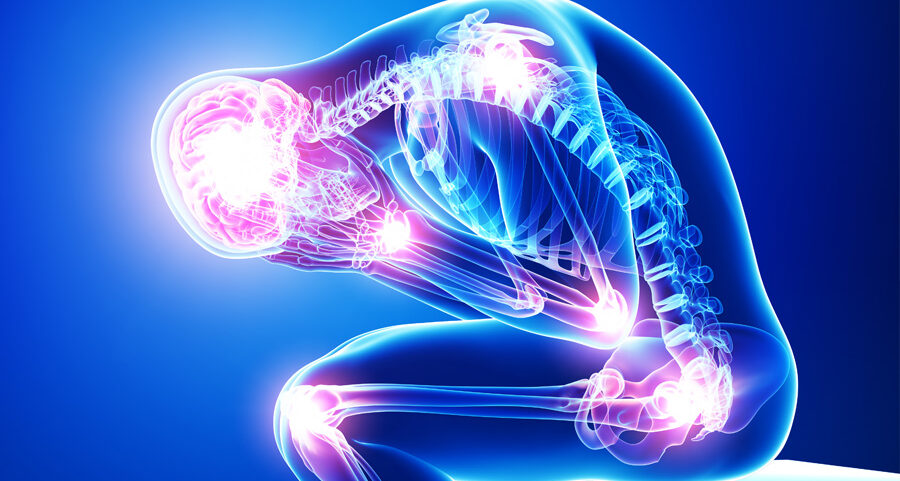
What Happens to Your Body During Chemotherapy? A Detailed Look Inside the Body- Chemotherapy is one of the most widely used treatments for cancer, but for many patients, the experience can be difficult to understand.
What actually happens after chemotherapy enters the body? Why does it cause nausea, fatigue or hair loss? Why can blood counts fall? And why do some people experience many side effects while others have relatively few?
The answers are connected to the basic way chemotherapy works.
Chemotherapy uses powerful medicines to kill cancer cells or stop them from growing and dividing. The challenge is that some healthy cells also grow and divide rapidly. As a result, chemotherapy can affect normal tissues along with cancer cells, producing many of the side effects associated with treatment.
Here’s what can happen inside the body during chemotherapy.
The First Step: Chemotherapy Enters the Body
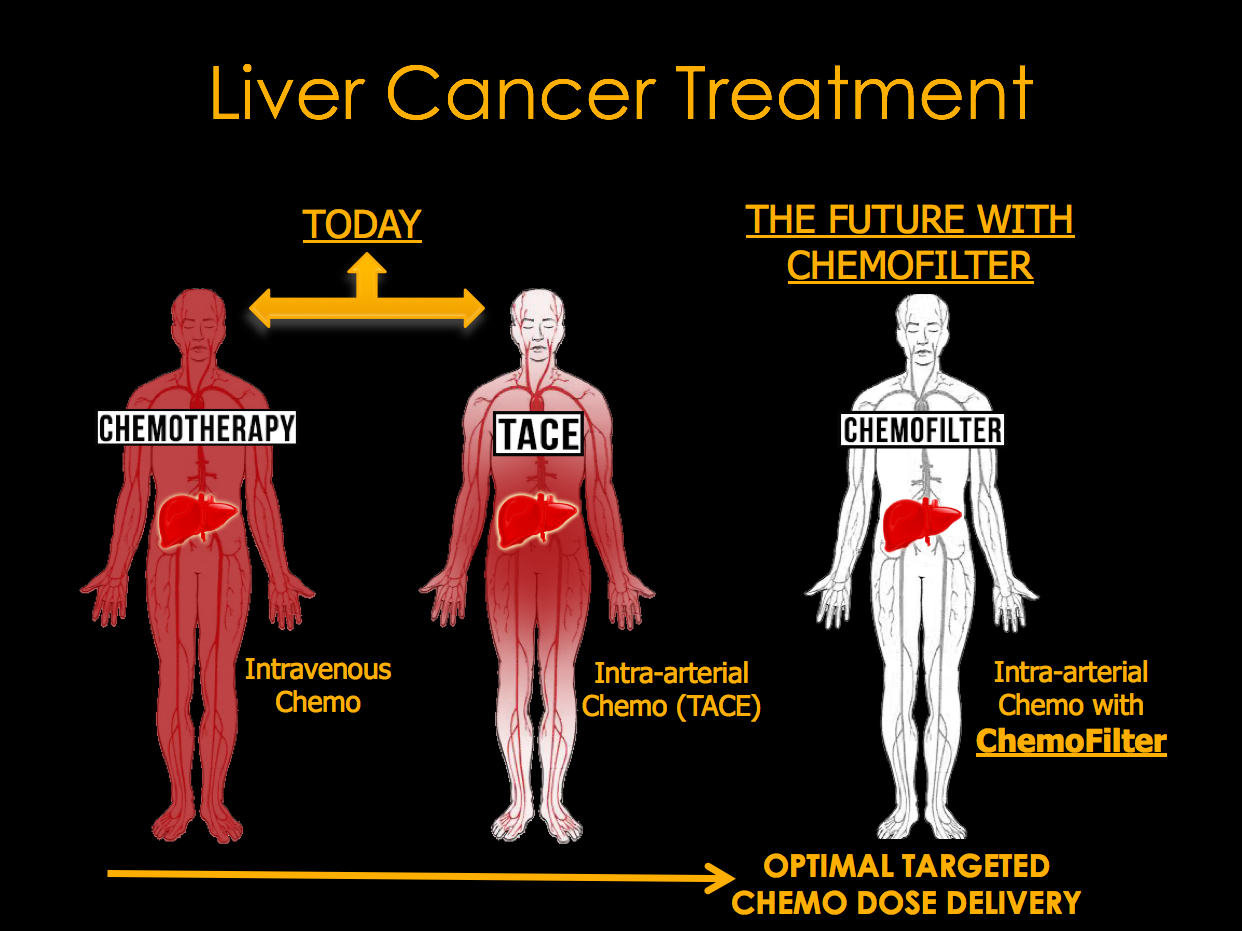
Chemotherapy can be delivered in several ways. Depending on the cancer and treatment plan, it may be given through an intravenous infusion, as an injection, as a pill or capsule, or by other methods.
When chemotherapy is delivered into the bloodstream, the medication circulates throughout the body.
This is one reason chemotherapy can be useful against cancer cells that have moved away from the original tumor. Instead of treating only one location, the drugs can travel through the bloodstream and reach cancer cells in different parts of the body.
But this widespread distribution also explains why chemotherapy can affect healthy tissues.
The drugs are designed to target processes that cancer cells depend on, particularly rapid growth and cell division. However, healthy cells that naturally divide quickly can also be affected.
What Happens to Cancer Cells?
Cancer develops when abnormal cells begin growing and dividing in an uncontrolled way.
Different chemotherapy medicines attack cancer cells in different ways. Some interfere with DNA, some disrupt cell division, and others damage cellular processes needed for cancer cells to survive.
When a cancer cell is sufficiently damaged, it can stop dividing or die.
The goal is not necessarily to make a person feel sick. The goal is to damage or destroy cancer cells while giving healthy tissues an opportunity to recover.
Chemotherapy may be used to cure certain cancers, reduce the chance that cancer will return, slow cancer growth or relieve symptoms caused by tumors. It can also be combined with surgery, radiation therapy or other cancer treatments.
Why Does Chemotherapy Cause Side Effects?
This is one of the most important things to understand about chemotherapy.
Cancer cells often grow rapidly. But some healthy cells also grow rapidly.
These include cells in:
- Bone marrow
- Hair follicles
- The mouth
- The digestive tract
- Parts of the reproductive system
When chemotherapy damages these healthy cells, temporary or sometimes longer-lasting side effects can occur.
This doesn’t mean that every person receiving chemotherapy will experience every possible side effect.
The type and severity of symptoms can depend on the chemotherapy drugs being used, the dose, the cancer being treated, the treatment schedule and the person’s overall health.
Your Blood Cells May Drop
One of the most important effects of chemotherapy occurs inside the bone marrow.
Bone marrow produces blood cells, including red blood cells, white blood cells and platelets. Because these cells are continually being produced, some chemotherapy drugs can temporarily suppress bone-marrow activity.
This can lead to lower blood counts.
Red blood cells
Red blood cells carry oxygen around the body.
If their numbers fall significantly, a person may develop anemia. This can contribute to tiredness, weakness, dizziness or shortness of breath.
White blood cells
White blood cells are essential for fighting infections.
Chemotherapy can reduce certain white blood cells, particularly neutrophils. When these levels become low, the body’s ability to fight infections can be reduced.
This is why cancer teams closely monitor blood counts during treatment.
Platelets
Platelets help blood clot.
A significant drop in platelet levels can increase the risk of bruising or bleeding.
Because blood counts can change during treatment, doctors often perform blood tests before or during chemotherapy to determine whether treatment should proceed as planned.
Why Does Chemotherapy Cause Extreme Fatigue?
Fatigue is one of the most common problems associated with chemotherapy.
It is more than simply feeling sleepy after a long day.
Cancer itself can contribute to fatigue, and chemotherapy can add to it through several mechanisms, including changes in blood counts, the body’s effort to recover from treatment and the overall physical and emotional stress of cancer.
Some patients describe feeling as though their energy has suddenly disappeared.
A person may sleep and still wake up feeling exhausted.
Fatigue can also fluctuate. Someone might feel relatively well immediately after treatment and become more tired in the following days.
For this reason, chemotherapy is often given in cycles. A treatment period may be followed by a recovery period, giving healthy cells time to rebuild.
What Happens to Your Hair?
Hair follicles contain cells that grow and divide rapidly.
Some chemotherapy medicines damage these cells, which can cause hair to become thinner or fall out.
Hair loss may involve the scalp, eyebrows, eyelashes and other areas of the body, depending on the drugs being used.
However, hair loss is not inevitable with every chemotherapy treatment.
Different drugs have different effects, and some people experience only mild thinning.
In many cases, hair begins growing again after chemotherapy ends, although the timing and appearance of regrowth can vary.
Why Does Chemotherapy Cause Nausea?
The digestive system can also be affected.
Some chemotherapy drugs can trigger nausea and vomiting because they influence biological pathways involved in the body’s vomiting response.
Nausea may occur during treatment, shortly afterward or, with some chemotherapy regimens, later.
Fortunately, modern cancer care includes medications specifically designed to prevent or control chemotherapy-related nausea and vomiting. Patients are often given anti-nausea medication before chemotherapy when their treatment carries a significant risk of this side effect.
Uncontrolled vomiting can cause dehydration, electrolyte problems and weight loss, so persistent symptoms should be reported to the medical team.
Your Mouth and Digestive Tract Can Change
The lining of the mouth and digestive tract contains cells that renew themselves quickly.
Chemotherapy can damage these cells, potentially causing mouth or throat sores, dryness, taste changes and difficulty swallowing.
Some patients notice that foods taste different during treatment. Foods they previously enjoyed may suddenly taste bitter, metallic or unusually bland.
The digestive system may also respond with diarrhea or constipation.
Appetite can decrease as a result of nausea, taste changes, mouth soreness or simply the physical stress of treatment.
These changes can make maintaining adequate nutrition challenging, which is why cancer care teams may involve dietitians or nutrition specialists when needed.
Your Immune Defenses Can Become Weaker
Chemotherapy doesn’t simply attack cancer cells. It can temporarily affect parts of the immune system by reducing certain white blood cells.
When the immune system is weakened, infections can become more dangerous.
A relatively minor infection in a healthy person can become a serious concern for someone whose white blood cell count is very low.
This is why patients receiving chemotherapy are generally given specific instructions about fever and other signs of infection.
A fever during chemotherapy should not simply be ignored. Patients should know the temperature threshold their oncology team has instructed them to use and who to contact if it occurs.
Your Nervous System May Be Affected
Certain chemotherapy drugs can affect nerves.
This may produce a condition called peripheral neuropathy.
Symptoms can include:
- Tingling
- Numbness
- Burning sensations
- Sensitivity to touch
- Weakness
- Changes in balance
These symptoms often begin in the hands or feet.
Not every chemotherapy drug causes neuropathy, and the severity varies from person to person.
Patients should tell their cancer care team about new numbness, tingling or weakness because doctors may be able to modify treatment or provide supportive care.
Skin and Nails May Change
Chemotherapy can also affect the skin and nails.
Some patients experience dry or sensitive skin, rashes, changes in pigmentation or nail discoloration.
Nails may become brittle or develop lines and other changes.
These effects vary significantly depending on the chemotherapy regimen.
They are usually monitored along with the other physical effects of treatment.
Your Brain Can Feel Different Too
Some people undergoing chemotherapy report difficulty concentrating, remembering information or thinking clearly.
This is often described as “chemo brain.”
A person may forget a name, lose their train of thought or find it harder to multitask.
However, cognitive changes can have multiple contributors, including cancer itself, fatigue, stress, sleep problems, medications and treatment.
If these changes interfere with daily life, they should be discussed with the medical team rather than simply being dismissed.
Chemotherapy Can Affect Fertility
Some chemotherapy medicines can affect reproductive organs and fertility.
The risk depends on factors such as the specific drugs used, their doses, treatment duration and the person’s age and reproductive status.
For people who may want biological children in the future, fertility preservation can sometimes be considered before treatment begins.
This is an important conversation to have before chemotherapy starts because some fertility-preservation options need to be arranged in advance.
What Happens Between Chemotherapy Cycles?
Chemotherapy is frequently administered in cycles rather than continuously.
A cycle includes the treatment period followed by a recovery period.
For example, a person might receive treatment for a certain period and then have several weeks without chemotherapy before the next cycle.
That break is not necessarily a sign that treatment has stopped working.
It allows healthy tissues to recover while the treatment continues targeting cancer cells.
Doctors determine the schedule based on the cancer, the specific medicines, the treatment goal and how the patient’s body responds.
Does Feeling Worse Mean Chemotherapy Is Working?
Not necessarily.
This is one of the biggest misconceptions about chemotherapy.
A person might experience severe side effects, while another person receiving the same treatment experiences relatively few.
That does not mean one treatment is working better than the other.
The National Cancer Institute specifically notes that the severity of side effects does not indicate how well chemotherapy is fighting cancer.
Doctors use examinations, blood tests and imaging studies such as CT, MRI or PET scans, when appropriate, to evaluate treatment response.
What Happens After Chemotherapy Ends?
When chemotherapy is completed, the body begins a recovery process.
Healthy cells that were temporarily damaged can often regenerate.
Fatigue may gradually improve. Blood counts may recover. Hair may begin growing again, and digestive symptoms may settle.
However, recovery is not identical for everyone.
Some side effects disappear quickly, while others can continue for months or longer. Certain chemotherapy drugs can cause long-term or late effects involving organs such as the heart, lungs, kidneys, nervous system or reproductive organs.
That is why follow-up care remains important even after the final chemotherapy session.
The Bottom Line
Chemotherapy is often described simply as a treatment that “kills cancer cells,” but what happens inside the body is far more complicated.
The medicines circulate through the body and target cancer cells by interfering with their ability to survive, grow or divide. At the same time, they can temporarily damage healthy cells that also grow rapidly.
That biological trade-off explains many familiar side effects — from fatigue and hair loss to nausea, mouth sores and changes in blood counts.
But experiencing side effects is not proof that chemotherapy is working, and having few side effects does not mean the treatment is ineffective.
Every chemotherapy regimen is different, and every patient’s body responds differently.
Modern cancer treatment therefore involves much more than attacking the tumor. Doctors and nurses also monitor blood counts, manage nausea and pain, protect against complications and help patients maintain nutrition, strength and quality of life throughout treatment.
For anyone undergoing chemotherapy, the most important rule is simple: don’t silently tolerate new or worsening symptoms. Report them to the cancer care team. Many chemotherapy side effects can be prevented, reduced or treated, and early communication can make treatment safer and more manageable.
This article is for general educational purposes and is not a substitute for advice from an oncologist or other qualified healthcare professional. AI Designed 16 New Viruses in a Lab — A Scientific Breakthrough With a Serious Biosecurity Question | Maya