How Two Moons Could Change Earth By Nitasha Chavan – Have you ever looked at the Moon at night and wondered what it would be like if there was another one beside it?
We have always known Earth as a planet with one natural Moon. It affects our tides, gives us light at night, and has been a part of human stories and cultures for thousands of years.
But imagine going outside one night and seeing two moons in the sky.
At first, it would probably look beautiful and exciting. People would take pictures, scientists would study them, and everyone would have questions. But having a second moon would not only change the appearance of the night sky. It could also affect Earth’s oceans, tides, animals, timekeeping, and even the way we understand our planet.
So, what would actually happen if Earth had two moons?
How Could Earth Get a Second Moon?
Before thinking about the effects, we first need to understand how a second moon could exist.
Earth’s current Moon is held in orbit by Earth’s gravity. If another large object became Earth’s moon, it would also need to be in a stable orbit around our planet.
One possibility is that a large object could be captured by Earth’s gravity. However, this would not be as simple as Earth just “catching” another moon. The object’s speed, direction, size, and distance from Earth would all matter.
The second moon would also have its own gravity. It would interact with Earth and our existing Moon. If its orbit was not stable, it could eventually move away, crash into another object, or come too close to Earth or the first Moon.
So, having two moons is possible in theory, but keeping two large moons in stable orbits would be quite complicated.
The Night Sky Would Look Completely Different
The most obvious change would be the view from Earth.
Instead of looking up and seeing one Moon, we could see two. Sometimes they might appear close to each other, while at other times they could be on different sides of the sky.
If the second moon was similar in size to our current Moon and reflected a similar amount of sunlight, nights could become brighter. We might have much less darkness during certain parts of the lunar cycles.
Just imagine going for a walk at night and seeing two bright moons above you. It would probably feel strange at first, but for people born into that world, it would simply be normal.
The two moons could also create some amazing views during moonrise and moonset. There could be nights when both appeared together, making the sky look completely different from the one we know today.
Earth’s Tides Could Change
One of the biggest effects of having a second moon would probably be on Earth’s tides.
Our Moon’s gravity pulls on Earth’s oceans and is one of the main causes of tides. The Sun also affects tides, but because the Moon is much closer to Earth, its effect is stronger.
Now imagine adding another large moon.
The second moon would also have its own gravitational pull. Depending on where the two moons were in relation to Earth, their effects could sometimes work together.
When their gravitational effects added up, tides could become stronger. In some places, this could mean higher high tides and lower low tides.
At other times, the two moons might be positioned in a way that makes their effects less strong.
This means that Earth’s tidal patterns could become much more complicated than they are today.
Coastal Areas Could Be Affected
Changes in tides would be especially important for people living near oceans and coastal areas.
Tides are not just about water moving in and out. Many coastal communities depend on predictable tidal patterns for fishing, transportation, and other activities.
Marine animals also depend on tides. Some animals use tidal cycles for feeding, reproduction, or moving between different areas.
If a second moon changed these patterns, some marine ecosystems could be affected.
Of course, the exact effect would depend on the second moon’s size and distance from Earth. A small moon would not have the same influence as another moon as large as our current one.
What About Eclipses?
Eclipses would become even more interesting with two moons.
A solar eclipse happens when the Moon passes between Earth and the Sun and blocks some or all of the Sun’s light. A lunar eclipse happens when Earth comes between the Sun and the Moon.
With two moons, there would be two objects that could potentially take part in these events.
However, this does not mean that we would automatically get twice as many eclipses. Eclipses depend on the exact positions and orbits of the Moon, Earth, and Sun.
If the two moons had different orbits, their eclipses could happen at different times. There could also be occasions when both moons were visible during an eclipse.
Astronomers would have a lot more calculations to do to predict these events.
Could the Two Moons Affect Each Other?
Yes. This is another important part of the situation.
The two moons would have their own gravitational pull, so they would not simply travel around Earth as if the other moon did not exist.
Their orbits could be affected by each other’s gravity.
If they were placed at suitable distances and had stable orbits, they could potentially continue moving around Earth for a very long time. But if their orbits brought them too close together, their gravitational interaction could become a serious problem.
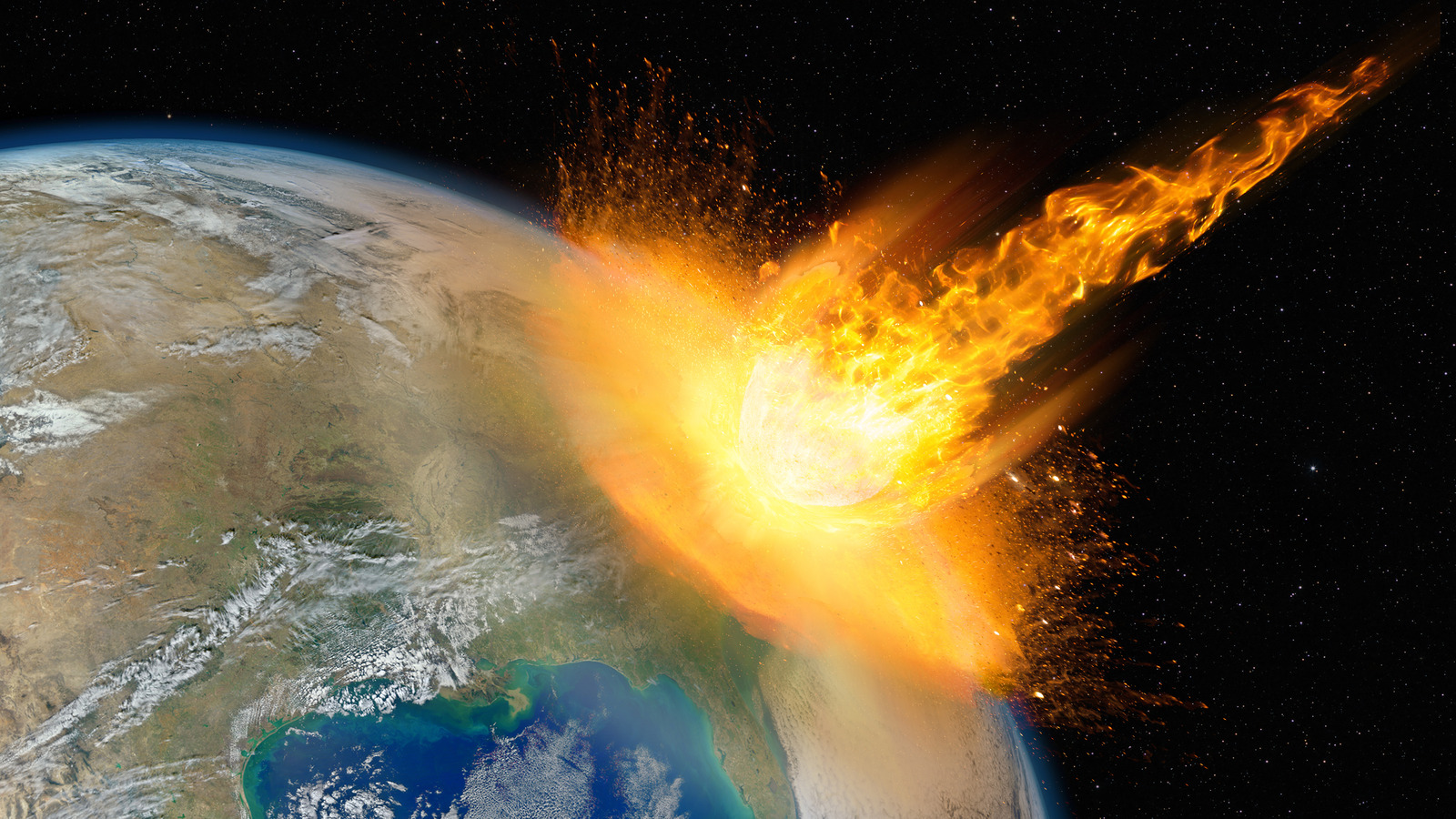
In an extreme situation, the two moons could even collide.
A collision between two large moons would be a huge event. It could produce a large amount of debris, which could remain in space and potentially form smaller objects around Earth.
This is why the exact orbit of a second moon would be extremely important.
Would Earth’s Days Change?
The Moon also has an effect on Earth’s rotation.
Earth is gradually slowing down because of interactions between Earth and the Moon, mainly through tidal effects. The change is extremely small over a human lifetime, so we do not notice it in our daily lives.
If Earth had another large moon, there would be another gravitational interaction.
This could affect Earth’s rotation over very long periods.
However, it would not mean that our 24-hour day would suddenly become much longer after the second moon appeared.
The exact change would depend on the second moon’s mass, distance, and orbit.
So, it is better to say that a second moon could influence Earth’s rotation over time, rather than saying it would immediately change the length of our day.
Animals Might Also Be Affected
The Moon is already connected to the behaviour of some animals.
Some animals use the Moon’s light to navigate or find food. Certain marine animals are also affected by lunar and tidal cycles.
If Earth had two moons, the amount and pattern of natural light at night could change.
For example, if the two moons were both bright and visible, some nights could become much brighter than they are today. Animals that depend on darkness might have to adjust their behaviour.
Changes in tides could also affect marine life.
Over a very long period, animals could potentially adapt to these new conditions. But the change could still be significant for some species.
Our Calendars Could Become Confusing
The Moon has played an important role in human calendars for thousands of years.
Many traditional calendars are based partly on the phases of the Moon. We are familiar with the cycle from a new Moon to a full Moon and back again.
Now imagine having two moons with different orbital periods.
We would have two different sets of lunar phases to follow.
People might create new names and systems to describe them.
Instead of simply saying that there is a full Moon tonight, people might need to specify which Moon is full.
It could make lunar calendars much more complicated, but humans are very good at creating systems to keep track of time. We would probably find a way to adapt.
Would Earth Become Dangerous?
Having two moons would not automatically make Earth dangerous or impossible to live on.
The important thing would be whether the second moon had a stable orbit.
If it was at a safe distance and moved in a stable path, Earth could continue to support life.
However, there could still be changes to tides, night-time light, animal behaviour, and Earth’s long-term rotation.
The size of the second moon would also make a huge difference.
If it were very small, its effects might be limited. If it were almost as large as our current Moon, its influence could be much stronger.
So, there is no single answer to what would happen. The result would depend on the characteristics of the second moon.
What Would Humans Think About It?
Apart from the scientific effects, having two moons would probably change human culture too.
The Moon has inspired poems, songs, paintings, stories, and even religious traditions throughout history. A second moon would give people another source of inspiration.
There could be new festivals based on the two moons. People might create stories about them or give them different names.
Photographers would probably have a lot of fun capturing both moons in the same picture.
And I think one of the first things most people would do after discovering a second moon would simply be to look at the sky.
It would be hard not to stop and stare.
So, What Would Two Moons Really Mean?
If Earth had two moons, our planet would definitely look very different. The night sky would be the most obvious change, but the effects would go much deeper than that.
The second moon’s gravity could affect Earth’s tides, oceans, animal behaviour, and, over very long periods, Earth’s rotation.
The two moons would also interact with each other, which means their orbits would have to remain stable.
At the same time, life on Earth would not necessarily become impossible. The actual effects would depend on the second moon’s size, mass, distance, and orbit.
What I find most interesting about this idea is that it shows how important the Moon already is to Earth. We often think of it as something that is simply beautiful to look at, but its gravity is constantly interacting with our planet.
So, if Earth really had two moons, we would not just have one extra object in the night sky. We would have a different relationship with our oceans, our environment, and even the way we observe time.
And honestly, even after knowing all the science behind it, I think the sight of two moons rising together would still be something almost impossible to stop looking at.
A Word from the Author
I’m Nitasha Chavan, an emerging writer with a love for thoughtful ideas and meaningful stories. My goal is to keep writing and create words that make readers pause, think, and feel.
Note: This is a hypothetical situation based on real scientific concepts such as gravity, orbital motion, and tides. The exact effects of a second moon would depend on its size, mass, distance, and orbit.